The Benefits of a Professional Factory Clean Up

Whether you’re moving site or aiming to declutter your factory, there could be a profit opportunity in selling scrap stainless steel in Melbourne. An easy way to recoup money on an older or broken investment, outsourcing your factory clean-up is a streamlined method of organising your site while ensuring that recycled materials don’t needlessly take up space in a landfill.

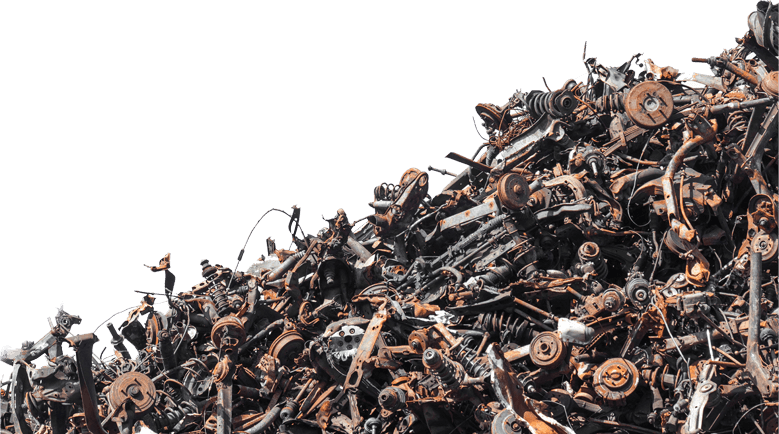
Simply by conducting a swift factory clean-up of your surplus equipment and metal wastage, your business can benefit economically by selling the gathered materials to a local metal recycler. Besides a cleaner factory without the inconvenience of metal clutter, there are three, clear reasons to hire trained professionals to conduct your factory clean up.

Save money on your company’s investments

Starting an industrial scrap metal clean up also has the potential to earn money for your business. Rather than simply discarding metals into landfills, older technology and machines can be stripped of valuable and recyclable metals like copper and aluminium. This metal can then be sold to scrap metal recyclers, allowing your business to profit from materials that no longer function.

This allows your company to profit from unwanted materials and recoup money from previous technological and material investments. From older electronics and e-waste to broken down vehicles, there are plenty of metal parts that your business can make a return on simply by selling your scrap stainless steel to a Melbourne metal recycler. 

Aids the environment

Extracting virgin metal needlessly uses energy and produces harmful carbon dioxide in the mining, processing, and transportation of materials. Many metals can be recycled again and again using fewer materials and producing less carbon emissions. Not only does this save the use of raw materials, but it also avoids useful metals unnecessarily taking up space as waste in landfills.

By choosing to hire professionals to sort through old or unused materials and technologies in your business, you can benefit the environment (while maximising your factory’s floor space). Professional scrappers can also collect all the materials that may be missed by those without recycling industry experience. This includes the often forgotten items that can be recycled like ink cartridges, kitchen appliances, electronics and lighting waste. A factory clean-up team will strip the materials that can’t be recycled, like plastic handles or casings, and sort them by metal to maximise your business’ profits.

Professional factory clean ups are safer and more efficient

By hiring experts trained in metal handling, you ensure that the space is cleaned quickly and safely for the most time-efficient result. Metal can often have sharp edges that require appropriate safety precautions, reducing the dangers of harmful scrap metal like used batteries. Expert scrap buyers know the importance of safety equipment like protective clothing to avoid cuts, punctures, tetanus risks and any irritation from hazardous chemicals.

Rather than delegating this risky and laborious task to an employee who may not recognise which metals and materials are recyclable or valuable, using a professional metal recycler will ensure all the metals are sorted appropriately to maximise your returns. This allows the trained scrap recyclers to handle metal wastage safely, without impacting your business by taking up your employees’ time. The result is a better organised space for your employees to enjoy without being encumbered by useless metal clutter.

The Metal Men Recycling difference

As expert scrap buyers, our team have the expertise to deal with large amounts of scrap metal cleanly and quickly. Our team can gather all the various metals and surplus parts while ensuring that all recyclable materials are sorted correctly and safely. For larger storage areas filled with broken vehicles or oversized machinery, our team also has excavators, forklifts and trucks to gather your business’ larger, metal scrap. The yard at Metal Men Recycling is over four acres in size allowing our team to have the capacity to handle any job.

If your business has already conducted a business waste audit and collected all materials for recycling, Metal Men Recycling also offer free collection bins for your scrap metal. Our team offer a diverse range of bins and equipment to suit your specific business requirements. We also offer a 24-hour turnaround time and can deliver these bins and pick them up from your business at your convenience.

Looking to sell your scrap metal?

If you’re looking to sell scrap stainless steel in Melbourne, the scrap metal buyers at Metal Men Recycling offer a professional service and the best prices. With over 50 years of metal recycling experience, Metal Men Recycling provides streamlined scrap metal recycling clean-up and collection. We take all the hard work of sorting and transporting out of the process with our 24-hour pick up service to benefit your business and the environment.

Whether you’re looking to sell scrap metal or would just like to learn more about our business to business metal recycling process, give us a call on 03 5941 6677 or fill out our online contact form.

4 Reasons You Should Be Using Metal Recycling Services

If you look at recycling bins placed along the streets of Melbourne, often, they are catered to recycling common items such as paper, cardboard, and plastic bottles. This often results in many not being aware that metal recycling is something that can be done too. In fact, recycling metal can sometimes have greater benefits than other recyclable items as a single piece of metal can be recycled over and over without altering its properties! 

There is a wide range of reasons why you should consider recycling your metals as opposed to dumping them in a bin; here are our top four reasons for you to consider using a metal recycling service in Melbourne

1.     Recycling metal helps the environment  

Metal production involves the harmful removal of natural resources, land degradation, wildlife destruction and extensive energy and water use. Not only that, the transportation of metal products after being produced, require a large amount of energy and fuel. With all these effects combined, environmental and health issues such as air and water pollution, acid rain, fatal illnesses, global warming, and wildlife extinction become more prevalent. 

As such, one of the main reasons you should recycle metal is because by doing so you are helping in protecting the environment and eliminating all the negative effects of metal production and transportation. Recycling metal replaces the need to produce virgin metals and thus, eliminates the need for extraction of raw metal compounds. It also takes far less energy to process recycled metal than it does to mine ore, purify it and then shape it. The best part is metals are amongst the few materials in the world that can be easily recycled without damaging their original properties. This means if enough metal was recycled and demand remained constant, there would be almost zero reasons to create new metals!

Metal recycling

2.     There is an economic benefit (you earn some cash!)

Recycling metals offers financial incentives and there is no shame in benefitting from these. When you use recycling facilities to recycle your metals, you get paid for the items you bring in depending on their metal type, total weight and general condition. On top of the cash you get upfront, there are also economic benefits in the long run. If the majority of people recycled their metals regularly, the cost of producing metals will likely decrease. This could result in a reduction of cost for any items made with metals such as canned foods and drinks.

3. You can offset your carbon emissions

The steady increase in carbon emissions being released each year is one of the main factors contributing to global warming. To combat this, many individuals and businesses have opted to reduce their carbon footprint either by offsetting it or by leading zero-waste lifestyles and aiming for zero-to-landfill targets. Recycling metals can help in reducing overall carbon emissions as it reduces the need for disposal processes and landfill waste management. 

Besides reducing your carbon emissions, reducing the number of metal products dumped in landfills can prevent toxic chemicals from leaching into the soil. Metals that go to landfills are often not recycled properly and this can lead to metals breaking down and releasing chemicals that destroy the soil’s integrity, contaminate groundwater, and inhibit new plant life. 

4. Recycling metal is much easier than you think

Recycling metal does not have to be a difficult process to incorporate. In fact, metal recycling facilities in Melbourne such as Metal Men Recycling, make it easy and convenient with easy and convenient pickups no matter where you are.

Containers can also be left in your residential or commercial area for you to easily collect your scrap metals of any shape or size for recycling. Once you’ve collected enough, metal recycling companies will gladly stop by to collect the items and give you cash on the spot!

Scrap metal collected for recycling

Metal recycling in Melbourne is common practice. It is an amazing way to help the planet while you earn some cash. 

Metal Men Recycling is a premium scrap metal recycling company that will buy your scrap metal and recycle it in the proper manner. We offer a 24-hour pick-up service and can accommodate all your metal recycling needs in Melbourne – whether it be a residence or a business. We buy all forms of scrap metal and will pay you via EFTPOS or cheque. 

If you’re looking at doing some metal recycling in Melbourne, then please reach out to us on 03 5941 6677 or fill out the contact form.

The Process of Copper Wire Recycling

An amazing opportunity to prevent metal wastage is to sell scrap copper for metal recycling. This metal is hard-wearing and easy to recycle, but it is also extensive in homes and businesses. Not only are they present in obsolete household and office appliances like microwaves, computers, and televisions, but copper is also present in plumbing, cars and rooftops.

While copper wire isn’t the most valuable grade of copper scrap, it is often widely available throughout older electronics. Recycling your copper wire is a quick and easy way to rid your space of cluttered cables and broken appliances. Most importantly, the process of recycling copper wire is quick and simple for a range of environmental and economic benefits.

The process of copper wire recycling

The process of metal recycling varies between metals, but the process of selling scrap copper wires for recycling begins with stripping the collected metal of its protective shielding. Wires are often coated in plastic insulation to protect the cables and surrounds from this highly conductive metal. This must be removed before the recycling process, by carefully cutting through the shielding and sliding the insulation off the wire. There are a range of wire stripping tools available. For smaller quantities, the insulation can be easily removed with a pair of household scissors or a handheld wire stripper, or in bulk with an automatic wire stripper by recycling experts. This process also includes removing any attachments to the scrap metal such as nuts, bolts or nails.

Once the copper wire has been stripped of the insulation and any attachments it must be sorted by grading. Higher grades of copper can be melted and recast without much refinement, but lower grades may require further processes to remove any impurities. The copper is then collected by grading and sent to a recycling facility to undergo a quality inspection to ensure the copper is contaminant free and ready for melting. Some recycling facilities have a granulator process that begins by shredding the collected metal, separating thick cables or intertwined wires, or a crusher that cuts the copper wire into smaller parts. These tools ensure that long, copper wire is cut to a manageable size and removes any mixed materials before the melting process. 

The copper is then loaded into a furnace, melted into molten metal, and cast into the desired shape. Once the copper has cooled, it is fit for a new purpose such as rods transformed into building wire or rolled into smooth sheets for further manufacturing. Recycled copper has a range of applications across many industries including transport, construction and electronics.

Benefits of copper wire recycling

Copper is an extremely sought-after metal for recycling due to its efficiency and durability. It is one of the most profitable types of scrap metal and can easily be found in homes or businesses. From old, outdated appliances and electronics, to plumbing and auto parts, there are many places to find scrap copper quickly and easily. This extremely durable metal is often used for wires as it does not lose its electrical connectivity over time. Unfortunately, this means that it does not break down with regular waste, which doesn’t take advantage of its longevity and needlessly fills up landfills.

Copper can be recycled repeatedly for massive environmental and economic benefits. Copper retains its performance despite being recycled multiple times making it an economical metal for a range of industries. The process of recycling copper not only produces less carbon dioxide and greenhouse gases, but it requires less energy and effort than the costly process of extracting and refining raw, virgin iron. Using scrap metal to its full capacity by recovering copper and stripping the shielding from cables and wires, benefits businesses, the environment, and you.  

Looking to sell scrap copper in Melbourne?

To sell scrap copper, strip your copper wires of insulation and attachments and bundle them neatly together. By separating the copper wire from other scrap metals, the wiring is easy to transport and weigh which ensures you get the best price from Melbourne’s best metal recyclers.

With over 50 years of metal recycling expertise, Metal Men Recycling provides streamlined scrap metal recycling services to Melbourne. We take all the hard work of sorting and transporting out of the process with our 24-hour pickup service to benefit your business and the environment.

Whether you’re looking to sell scrap metal or would just like to learn more about our business to business metal recycling process, give us a call on 03 5941 6677 or fill out our online contact form.

Recycling Stainless Steel Cookware (How, Why and Where?)

For those of us who love to cook, buying new cookware is always an exciting activity. Bringing home a shiny new pot or pan fills your journey home from the store with excitement. Everything feels great until you step into your kitchen and realize you need to throw your old ones out to make space for the new. The question now is, what do you do with your old cookware?

Something that most are not aware of is that a lot of used cookware can be recycled, especially if they are made from stainless steel. The best thing about used stainless steel cookware is that instead of just popping it in the recycling bin, you may be able to sell your scrap stainless steel for some cash!

Can stainless steel be recycled?

Yes, it can! Among all the great properties of stainless steel, one that often gets overlooked is the fact that stainless steel is 100% recyclable. Although there are various grades and finishes of stainless steel (each engineered for different purposes), the core elements of stainless steel are the same – iron, nickel, molybdenum, and chromium. When recycled, stainless steel products are melted down to enable the extraction of each element which can be reused with no degradation in performance. In other words, this means that cookware made from recycled stainless steel has the same quality and characteristics as any other new stainless-steel item.

How is stainless steel recycled?

Specialized expertise and sophisticated machinery are required in recycling stainless steel. Once collected by your local recycling facility, scrap stainless steel will be fed into a large shredder which breaks it up into smaller pieces. Using chemical analysis, these smaller chunks are then sorted and stored by type before being packaged and loaded into containers for shipping. These containers are then sent to stainless steel mills where they will be melted into valuable raw elements that are gathered, processed, and reused.

Benefits of Recycling Stainless Steel

Besides the usual benefits of recycling such as reducing your carbon footprint, a big part of recycling stainless steel is that it is cost-effective. As stainless steel can be recycled and reused to make products of the same quality, the ability to reduce the number of raw materials gathered, processed and used contributes to lower production expenses. Without the need to extract new raw materials, production facilities will also have reduced energy requirements and decreased contamination rates (and hence, lower pollution taxes). With all these factors combined, the costs for both producers and buyers can be reduced. It’s a win-win!

How much can I get from selling scrap stainless steel?

Similar to other metals, the prices of scrap stainless steel can fluctuate depending on the market and condition of your scrap. The good news, however, is that no matter the quality and grade of your stainless steel, there will always be demand. So, it is always a good idea to reach out to your local recycling facility for a quote.

While a specific price for your scrap stainless steel is hard to determine without a professional quote, there are some ways you can boost your earnings:

  • Prepare your scrap metal: While it’s easy to just gather used cookware and dump it in the scrapper’s hands, a good way to maximise your profits is by ensuring other materials such as plastic handles have been removed from your old cookware. This would make your scrap pile more attractive to your local recycling facility.
  • Understand different stainless-steel grades: Knowing the grade of your scrap stainless steel pile is key to ensuring you get a good payout. The higher the grade, the more valuable your scrap stainless steel will be.
  • Recycle a large pile: While you can recycle stainless steel in any quantity, it is often most cost-efficient to collect a large amount for a larger payday.

Where can I sell scrap stainless steel in Melbourne?

Selling your scrap stainless steel cookware is a great way to simultaneously get rid of your old pots and pans as well as make a positive impact on the environment. Metal Men Recycling are scrap metal buyers that buy and recycle an extensive range of scrap metals. We are dedicated to helping you recycle your scrap metal in a simple, quick, and sustainable way.

Give us a call on 03 5941 6677 if you would like to know more about our services. Alternatively, you may contact us via our website’s enquiry form.

Declutter this December by Recycling these Household Items

Looking to clean the home before the new year? As experts in metal recycling in Melbourne, our team know everything that can be recycled around the home. Recyclable metals include aluminium, copper, stainless steel and brass, so it’s easy to protect the environment from needlessly sending scrap to landfills. Before you throw away the mystery metal, be sure to check this handy list to see if the scrap metal can be recycled (for profit).

Kitchen appliances and whitegoods

Whether you’re downsizing or upgrading, older whitegoods and pots and pans made from aluminium or cast iron are perfect contenders for scrap metal recycling. Keep in mind that it costs less time and energy to recycle the materials in old whitegoods than to produce new ones from virgin materials. Whether it’s donating old cutlery to an op shop or offering baking trays and cookware to a metal recycler, recyclable materials like aluminium, iron or copper wires can be sourced from a variety of old and broken kitchen appliances.

Old whitegoods like kettles, toasters, refrigerators and dishwashers that need replacement can be stripped for recyclable material while washing machines and dryers also contain plenty of scrap metal for metal recyclers. Even older ovens and stovetops are often made from iron, perfect for metal recyclers in Melbourne.

Common kitchen clutter

A common kitchen item, empty steel cans can be easily disposed of in the household recycling bin for easy collection. This includes empty aerosol cans like cleaning sprays or aluminium or mixed metal cans such as soft drink cans, vegetable and fruit tins and pet food tins. Before placing these cans in the recycling bin for collection, ensure they are empty by giving them a thorough rinse. Removing any remaining food or liquid residue will ensure that the metal can be processed appropriately without risking contamination, which can increase sorting costs or risk recyclable materials being sent to landfill.

Simply swilling water around the tins will often suffice so that they appear visually clean, so there is no need to go overboard with dishwashing detergent! Additionally, Sustainability Victoria offers a free program, Detox your Home, to dispose of toxic household chemicals like cleaning products, fertilisers and herbicides, fuels and poisons. 

E-waste and older machinery

With recycling programs for old phones, cartridges and used batteries, there’s no excuse to forget the older electronics like desktops, gaming consoles and iPods. In Melbourne, e-waste is banned from landfill, so If there is an electronics graveyard within your home of broken laptops, obsolete mobile phones or old hairdryers, this might be a swift move to declutter your home.

Electronics are often constructed from a mix of recyclable metals with wiring made from copper – a highly recyclable material as almost 80% of copper that has ever been produced is still in use today. By following the guide to e-waste and recycling metal, you minimise the environmental impact of the product by extending the metal’s lifetime and reducing the need to mine virgin metals. 

Older furniture and fittings

Renovations can also reveal plenty of metal recycling opportunities! Old bed frames, outdoor dining furniture and clothing racks can be constructed from a metal mix that could be recycled, even if it is coated in a decorative paint or lacquer. Bicycle frames, elevated garden beds, barbecue grills and old garden tools are also constructed from metal, so don’t simply allow them to rust in the backyard!

Refreshing your home with a renovation can also provide an opportunity to gather older pipes, excess copper wire, steel sinks, obsolete tapware and metal finishes like curtain rods or window frames to be sold as scrap metal. 

Interested in metal recycling in Melbourne?

With over 50 years of metal experience, Metal Men Recycling provides quick and simple metal recycling services to Melbourne. We take all the hard work of sorting and transporting out of the process with our streamlined 24-hour pick up service. We accept all types of scrap metal benefiting your business and the environment.

Whether you’re looking to declutter your home through metal recycling or would just like to learn more about the environmental benefits of metal recycling, give us a call on 03 5941 6677 or fill out our online contact form.

How are Virgin Metals Mined? (And Why Recycling Scrap Metal is Better)

One of the many reasons to sell scrap metal at a trusted metal recycler like Metal Men Recycling is the environmental benefits of recycling scrap metal over mining virgin ore. In Australia, there are currently over 400 mines in operation with two predominant processes of mining: underground mines and open pit mines. These processes both have environmental consequences, so improving the lifetime of any unwanted metal is one of the many ways scrap metal recycling benefits the environment.

Underground mines

When imagining a mine, many may picture the traditional, deep tunnel of underground mining. This requires a shaft or decline to be excavated into the ground, sometimes kilometres deep, for metalliferous and coal collection. This method is used to extract raw ore from deep below the surface, creating as little waste as possible, before transporting it for processing into useful metal materials. Although technology has improved since the older mining method of room and pillar mining, underground mining still has many associated dangers.

The deep tunnels must allow safe passage for workers and heavy machinery to transport waste ore and collected minerals while also providing ventilation, electricity, lighting and resources. Underground mines must also consider the health and safety of workers including hearing protection, respiratory protection from dust, safe machinery operation and structural protection against the risk of collapse.

There are many different methods of underground mining in Australia depending on ore depth and the structural integrity of the surrounds. Underground mining often involves drilling beneath or beside the ore, blasting the ore and collecting the raw ore and waste material for transport. Some of the underground mining techniques used in Australia include:

  • Sub level caving: This method involves drilling directly into the ore and drilling horizontal sub levels, blasting each level at a time and excavating the demolished ore. 
  • Block caving: A large-scale metalliferous mining method, block caving involves creating an artificial cavern below an ore body and allowing it to collapse under its own weight. 
  • Cut and fill mining: This method can be quite costly due to the refilling process. Cut and fill mining involves cutting and excavating the ore with controlled detonations before filling the voids with waste rock or cement.

Surface mining 

Open pit mines are more common when a high concentration of minerals or ores are located close to the surface. This mining method involves drilling a large pit and blasting to remove the ore for processing. For surface mining, heavy machinery is necessary to remove the waste rock material so that the resource can be mined.

Open pit or open cut mining is generally considered cheaper and more cost-effective than traditional shaft mining as it requires fewer workers and can extract more ore. Open pit mines are also safer than shaft mines as there is no risk of cave-ins and they do not require the utility piping of underground operations.

The main disadvantages of open pit mining include the environmental damage caused by exhausting finite reserves and the associated costs of backfilling and restoring the pits. By creating the large, open pit the area is stripped of vegetation which damages the site’s natural ecosystem. After the open pit mine has been exhausted, further work is required to begin rehabilitating the area to minimise additional environmental damage and reduce the risk of landslides and rockslides if the destabilised site is left unattended.

This requires fencing off the land to prevent access for a period and filling the put with waste to ensure the land is safe for future use. Although this lessens the environmental impact of disrupting the pristine landscape, this lengthy process of blasting and hauling away the minerals and ore before refilling the pit uses an intensive amount of energy and electricity. This produces carbon emissions which causes air pollution and contributes to global warming.

Why is selling scrap metal more economical? 

Recycling scrap metal helps the environment while saving you money and reducing waste around the house or business. By selling scrap metal and contributing to the process of recycling and repurposing brass, tin, copper or aluminium, you conserve the energy needed to mine, refine and transport virgin metals and lessen the greenhouse gases produced during this lengthy process.

Many metals can be recycled and used again indefinitely. A more sustainable choice, increasing the rates of metal recycling has the potential to reduce greenhouse gas emissions by 300-500 million tons allowing scrap metal to have a positive effect on air pollution. Additionally, recycling scrap iron around the home avoids metals from ending up in landfills and waste after the costly mining process. By selling scrap metal to trusted recyclers, you improve the longevity of the material and take steps towards making the mining process more economical and environmentally friendly.

Are you looking to sell scrap metal in Melbourne?

If you’d like to sell scrap metal in your home or business, consider the expert team at Metal Men Recycling in Melbourne. With our streamlined 24-hour pick-up service, we offer the best prices on the market for scrap metals including aluminium, copper, stainless steel and brass. Our reliable team is ready to cater to your metal recycling needs and recycle your unwanted waste with a free bin service for your scrap metal drop-offs.

Whether you’re looking to sell scrap metal or would just like to learn more about the process and environmental benefits of metal recycling, give us a call on 03 5941 6677 or fill out our online contact form.

Cash for Cans (Everything You Should Know About Selling Scrap Cans)

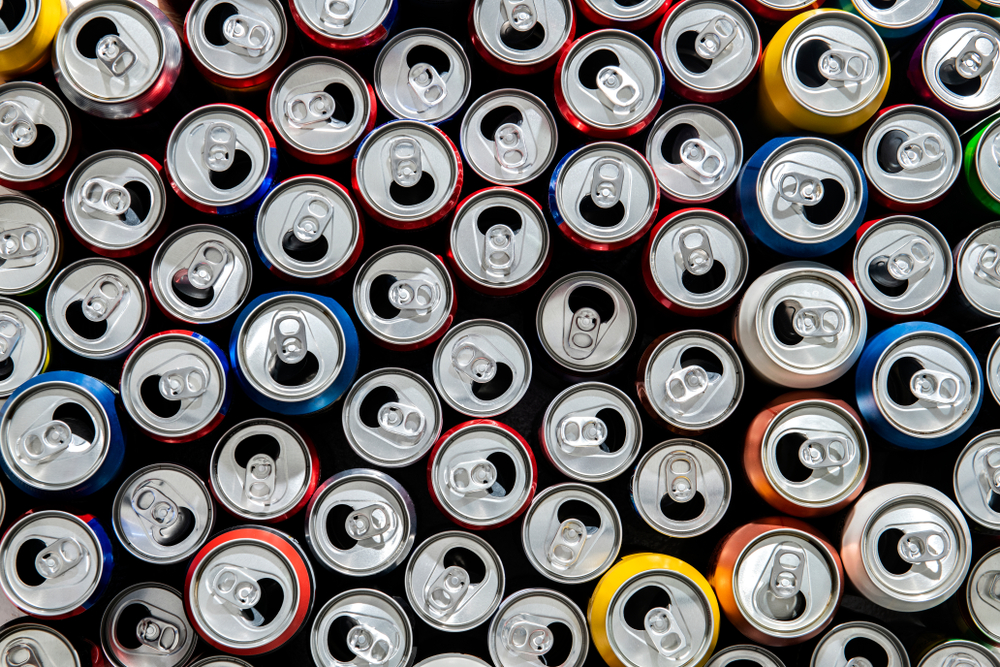
With environmental awareness on the rise, many local councils throughout the state now offer recycling services for all your metal cans and containers. If you hosted a party over the weekend, you’ll likely toss a whole heap of empty cans into a recycling bin where it waits for its scheduled pick up. While recycling helps the environment, did you know you might be tossing money away just by throwing scrap cans into recycling bins? Instead, consider a scrap metal recycling centre such as Metal Men Recycling where you can sell scrap cans for cash.

What should I do with my scrap cans instead?

A common misconception with metal recycling is that it must come in large industrial containers for it to be accepted for cash. This, however, is not true. People are often unaware that many local metal recycling centres accept scrap cans of any amount from anyone.

So, instead of putting your scrap cans and containers into a recycling bin, a better idea would be to sell your scrap cans. You can stash them away until you are ready to take your collection to someone who will pay you top dollar. The next time you finish your favourite canned beverage, think twice before throwing the can into the bin.

Why should I bother?

Most scrap cans in your house will likely be made of aluminium which is 100% recyclable. Unfortunately, close to one million cans find their way into landfills every year instead of recycling centres that put them back into circulation.

Selling your scrap cans to a recycling facility can contribute to a reduction of waste and mining impacts. When mining for any mineral, the water, and soil of the mined area is often left contaminated and difficult to restore. Acid run-offs from mines can dissolve heavy metals such as copper and mercury which can leach into water sources while sediments of non-biodegradable metals settle into the surrounding soil, harming both humans and wildlife.

The production of metals used to make cans also requires a lot of electricity and produces greenhouse gases such as carbon dioxide and carbon monoxide which contributes to global warming. Thus, selling your scrap cans instead of throwing them will not only make a tidy little profit for yourself but reduce your overall carbon footprint.

How do I collect and prepare scrap cans to sell?

A good first step is to look around your home and neighbourhood for scrap cans. Almost anything made of metal is worth something, especially if they are made from copper, brass, or aluminium. Once you’ve collected all the scrap cans available in your area, preparing them the right way is crucial to ensure your entire collection is deemed valuable.

Ensuring you have a sizeable collection often takes time, hence, making sure each can is properly cleaned before you store them is necessary. Sugary drinks or food residue left in cans can turn mouldy and attract insects and pests. Your local recycling centre will likely reject your collection if they find a massive infestation of creepy crawlies or unwanted growth that can contaminate other recyclable materials.

Scrap cans should also have their lids properly dealt with before being thrown into the pile. Metal lids should always be left on or inside the can, but plastic covers or ring joiners should be removed and recycled separately. As for labels, you need not worry about getting the adhesive off as recycling centres are usually happy to have these removed for you.

Another step you can take before selling your scrap cans is to crush each can. This not only saves you space (making it easier to transport to your local recycling centre) but sometimes also leads to a higher payout.

What sort of price can I get for scrap cans?

Metal Men Recycling is the best place to sell your scrap metal in Melbourne. We pride ourselves on making recycling your scrap metals easy and profitable. While states such as Victoria are looking to implement a standardised ten-cent scrap containers scheme for each scrap can, the value of scrap cans at recycling centres can change daily depending on market trends.

Estimating the exact value of all the scrap cans you intend to sell can be a difficult task. While it is possible to bring in cans as you use them, holding onto them until you’ve built a considerable collection is usually recommended. The amount you will receive ultimately depends on the total weight of your collection so a larger delivery will mean a nicer payday.

Melbourne scrap metal recyclers

If you’re not sure where or how to store your scrap cans before selling, here at Metal Men Recycling, we also offer free collection bins that you can keep on-site and a 24-hour team for pick up and pricing.

Give us a call on 03 5941 6677 today for more information on how you can collect and sell your scrap cans. Alternatively, you can also contact us by filling out our online enquiry form so one of our team members can get back to you ASAP.

3 Safety Tips to Follow When Using XRF Technology

As experts in metal recycling in Melbourne, Metal Men Recycling use X-ray fluorescence (XRF) to analyse collected scrap metal and sort them by materials. While metal recyclers once had to manually sort metals by hand, modern, portable XRF technology has allowed sorting to be more time-efficient and accurate, speeding up the recycling process and preventing recyclable materials from ending up in landfills. Although scrap metal recycling benefits the environment, this sorting technology does pose safety concerns for the operator so certain rules must be followed. Today, our experienced team will detail some of the safety tips that Metal Men Recycling follows to ensure that your scrap metal is sorted with care.

What is XRF technology?

Handheld x-ray fluorescence analysers are tools for elemental analysis. In the metal recycling industry, this technology is used to identify the metal and alloys of scrap metal by irradiating the sample material with x-rays which causes electrons to eject from the surface. This produces fluorescent x-rays to then be emitted by the unknown metal. The XRF scanner interprets the energy of the emissions and displays the composition of the metal, all without damaging the metal. XRF and LIBS technology have their advantages and disadvantages, but the XRF scanning technology’s use of low-level radiation requires some additional safety precautions.

1. Ensure operators have been trained to handle the technology safely

Firstly and most importantly, all operators should be given access to training on safe handling, operation and storage of the XRF analyser. With appropriate training, XRF analysers will only be used for the minimal amount of time needed to achieve the result and appropriate level of precision. By simply improving the operator’s efficiency you reduce the operator’s exposure time to radiation, creating a safer metal recycling process.

As the radiation beam is invisible to the human eye, the operator should be aware of the LED indicators that trigger when radiation is being produced. Always be cautious when the lights are flashing and do not use an XRF analyser with faulty LED indicators.

2. Shielding and PPE

Wearing personal protective equipment (PPE) creates a shield between the operator and the radiation, once again reducing exposure to the minimal radiation of the beam of handheld, XRF analysers. Although most of the radiation beam is absorbed by the metal material, a small amount of scattered radiation escapes from the sample. Scattered radiation increases with samples that are low density or have low atomic mass, such as aluminium metal, and decreases with heavier samples such as iron-based metal alloys. 

Scattered radiation dose rates are very close to the natural background within inches of the sample analysis point. Maintaining distance and wearing specialist PPE such as gloves will help to further reduce any unnecessary radiation exposure during operation.

3. Avoid direct exposure to the radiation beam

The spectrometer emits a directed radiation beam that, though a similar level to a medical or dental x-ray, should never be aimed at a person. This is all part of the effort to maintain the lowest possible radiation exposure to avoid any health concerns such as increased cancer risk or skin burns. Trained operators should avoid having their hands in front of the XRF analyser or holding the metal subject during analysis.

Always place the unknown metal on a flat surface to be analysed and keep all body parts as distant as possible from the radiation beam during the analysis process. For samples that are circular and could roll away, place an object behind the sample to avoid handling the object while measuring fluorescence. 

Are you interested in metal recycling in Melbourne?

At Metal Men Recycling, we use the latest technology and methods to make metal recycling in Melbourne simple. We take all the hard work of sorting and transporting out of the process with our streamlined 24-hour pick-up service. By buying an extensive range of scrap metals, our reliable team is ready to cater to your metal recycling needs to easily benefit your business and the environment. 

Whether you’re looking to sell scrap metal or would just like to learn more about our business-to-businessmetal recycling process, give us a call on 03 5941 6677 or fill out our online contact form.

Why are Some Metals Magnetic (and Others Not)?

As scrap metal buyers in Melbourne, we often recommended using a magnet to help to identify metal for sale or recycling. This process helps to determine if it is a ferrous or non-ferrous metal and narrows down the material’s components. But why are some metals magnetic and others not? What makes a material magnetic? As experts in all matters of metal recycling, the team at Metal Men Recycling is here to detail metals and magnetism.

What happens when a metal is magnetic?

Magnetism is when a force attracts or repels magnetic objects. When the electrons within an atom of a material move in a particular way, that material becomes magnetic. Spinning electrons orbit the central nucleus of atoms, and in some atoms, like the metal iron, a subatomic force makes the spin of electrons from neighbouring atoms also line up combining their magnetic fields.

This produces a magnetic field that extends outside of the atoms and causes the metal itself to be magnetic. Due to their atomic structure, some metals naturally have magnetism by default, but other metals can become magnetised or demagnetised if certain conditions are met.

3 kinds of magnetic metals

Due to their internal structure, metals can respond to magnets in three ways: ferromagnetic, paramagnetic and diamagnetic. 

  • Ferromagnetic metals are considered truly magnetic. These metals are strongly attracted to the magnet and that force can be seen and felt. Iron is a ferromagnetic metal. 
  • Paramagnetic metals are weakly attracted to magnets. However, they do not retain magnetism when the magnetic field is removed like ferromagnetic metals. Some examples of paramagnetic metals include platinum and aluminium. 
  • Diamagnetic metals are weakly repelled by both poles and are the materials that are generally considered “non-magnetic”. This includes gold, silver and lead. 

3 kinds of magnetism

How long a piece of scrap metal remains actively magnetic can also help to differentiate the type of metal. Metal can have magnetic properties in three ways: permanently, temporarily and electromagnetically.

  • Permanently magnetic materials are always producing their own magnetic field due to their atomic makeup, like ferromagnetic metals.  
  • Temporary magnets only display magnetic properties under the right environmental conditions. Steel is an example of a temporary magnet as it needs a strong magnetic field to become magnetic. 
  • Electromagnets only produce a magnetic field when an electrical current is passed through them. 

Which metals are magnetic?

Many metals and their alloys are magnetic due to their internal makeup, while other metals need stronger magnetic fields or an electrical current to exhibit magnetic properties. 

Some examples of magnetic metals include: 

Knowing the magnetic response of the metal helps to determine which metal to use in electrical equipment and other devices. For example, copper is considered non-magnetic, so, copper wire is used in electrical wiring. However, if you introduce a large enough magnetic field, all types of metal will interact with magnets. Therefore, strong metal detectors can still register “non-magnetic” diamagnetic metals like gold and silver.

Are you looking for scrap metal buyers in Melbourne?

Metal Men Recycling is a family-owned team of scrap metal buyers in Melbourne. With our streamlined 24-hour pick-up service, we offer the best prices on the market for a variety of scrap metals. Our reliable team is ready to cater to your metal recycling needs and recycle your unwanted waste.

Whether you’re looking to sell scrap metal or would just like to learn more about the process and environmental benefits of metal recycling, give us a call on 03 5941 6677 or fill out our online contact form.

An Introduction to Business Waste Audits in 3 Simple Steps

Examining your business’s waste can save the environment and save you money, particularly if you also happen to sell scrap metal. A waste audit is a simple way for businesses to identify what the company is throwing away and support the Australian recycling industry. The findings of a waste audit will determine how your business’s waste can be reduced or recycled for additional revenue. To begin working on a better economic and environmental outcome for your business, here’s how to implement a waste audit in three simple steps.  

1. Gather equipment and participants

The first step of conducting a waste audit is to gather the necessary tools and a representative to conduct the audit. For larger office buildings, a waste audit person from each office area can help determine if specific bins are needed for different locations or which spaces require more regular bin emptying. Confirm that all representatives are free to observe the waste gathered in their space to help the business succeed

For the day of the waste audit, you will also need these tools: 

  • Gloves for each volunteer
  • A protective apron for each volunteer
  • Durable tongs for picking up waste
  • A washable tarp and open space 
  • Boxes for sorting waste into categories
  • A scale for weighing each category
  • A document or clipboard for noting findings
  • Additional bins or garbage bags
  • A washing station 

2. Sort the trash into categories

At the end of the week or determined period, gather all the recyclables and garbage that have been collected in the bins from all departments. Each bag of trash will be opened and sorted into categories. Additionally, if you’re recording department-specific data, you might like to sort the waste from each department one at a time.  

Sort the gathered waste into the following categories: 

  • Liquid waste — detergent liquids and polluted water
  • Organic waste — food waste and garden waste
  • Hazardous waste — chemicals and harmful substances
  • Recyclables — paper, cardboard, plastics, electronics (e-waste), scrap metal 
  • Rubbish — items outside of these categories that can’t be recycled 

Once the waste has been sorted into each category and weighed, you should document the findings. This will quantify the necessary bins for each department and if there is any waste being disposed of incorrectly. You may determine that many items that would have previously ended up in landfills, such as e-waste, could instead be sold as scrap metal and recycled to benefit the environment.  

3. Analyse the data

After conducting this waste audit, you may discover that a lot of the waste could have been recycled, particularly if it has metal components. It can also help confirm that your workplace is collecting hazardous waste like chemicals and flammable substances safely and thoughtfully. This data can help you determine which bins are used more often in each department and what recyclable, compostable and biodegradable materials are being incorrectly disposed of by your workers.  

This waste audit can save your business money long-term by implementing better waste management solutions like posters outlining what can be recycled or a designated bin for any scrap metal or e-waste. Depending on the industry, scrap metal that could be sold includes: 

  • Electronics such as old computers and printers
  • Electrical cables
  • Batteries
  • Metal tins and aluminium cans
  • Warehouse steel racking
  • Mounting brackets
  • Metal cubicle partitions
  • Steel chair frames
  • Filing cabinets


By quantifying and finding scrap metal around your business, from smaller batteries to bulky furniture items, you can begin the process of having a regular metal recycling service come to you.  

Are you looking to sell scrap metal in Melbourne?

Metal Men Recycling makes it easy to sell scrap metal. We take all the hard work of sorting and transporting out of the process with our streamlined 24-hour pick up service. We accept all types of scrap metal benefiting your business and the environment.

Whether you’re looking to sell scrap metal or would just like to learn more about our business-to-business metal recycling process, give us a call on 03 5941 6677 or fill out our online contact form today.

How are Scrap Batteries Recycled?

Recycling old scrap batteries is a process that we seldom regard but is crucial, nonetheless. Due to the heavy metals contained within the various types of batteries, the process is not as straightforward as simply crushing and melting them. There are a few different types of batteries that we use that can be recycled, so keep reading to find out what happens after you sell scrap batteries to a professional and sustainable metal recycling plant like Metal Men Recycling.

Alkaline batteries — the household staple

If you have ever owned a television, purchased a remote-control vehicle or a children’s toy that runs on electricity, then you have definitely used an alkaline battery. Alkaline batteries are your basic household batteries — AAA, AA, C, D etc. and are made from steel and either zinc/magnesium or carbon zinc. Whilst many items that once required these types of batteries are slowly moving to rechargeable lithium-ion batteries (many television remotes and gaming controllers, for example), there are still some appliances that will always require the alkaline touch.

Recycling alkaline batteries is one of the simpler processes and whilst Metal Men Recycling is able to buy these types of scrap batteries, you can also contact your local council about dropping them off at a recycling point. There are two options — shredding the battery and using an electric arc steel mill to separate the metal from the zinc — or, melting them in a furnace and using a vacuum to extract the zinc fumes — leaving the metal to be recycled.

Lithium-ion batteries — rechargeable excellence

Lithium-ion batteries are what occupy most if not all of our rechargeable devices including phones, portable speakers, remotes, headphones and even electric vehicles. As the name suggests, they’re made up of lithium as well as carbon.

When it comes to recycling, lithium-ion batteries can be a bit challenging, but not impossible. A popular and effective recycling method for lithium-ion batteries is via high-temperature metal reclamation (HTMR), which, in this case, involves the lithium (a low-melt metal) being separated during the melting phase and collected as a metal oxide.

Note that lithium-ion batteries are different to lithium batteries which are not rechargeable and are recyclable via hydrometallurgy processing — that is, once a shredder has cut open the battery, a caustic solution is used to negate electrolytes so the ferrous and non-ferrous metals can be separated from the lithium and carbon and collected to be recycled.

The carbon and lithium are also extracted by filtering the caustic solution — the lithium (now lithium hydroxide) is converted to lithium carbonate which is then used to form lithium ingots that are ready for repurposing; some of the carbon is recycled using cobalt.

Nickel-cadmium batteries — the other rechargeable on the block

Not all rechargeable batteries are lithium-ion, old laptops and some power tools use nickel-cadmium batteries. Comprised of nickel, cadmium, steel and plastic, these batteries also utilise the HTMR method but because nickel is a high-melt metal, it is separated in a molten-metal bath within a furnace where it will amalgamate and then solidify during casting — making it easy to separate from the cadmium — which is a low-melt metal and is separated and collected as a metal-oxide just like lithium.

Lead-acid batteries — the automotive battery

One of the more profitable scrap batteries you can sell to us for recycling is lead-acid batteries — the solid units that power petrol-run automobiles. Like the aforementioned batteries, lead-acid batteries must be properly recycled or disposed of as leaving them in landfills can be dangerous and can cause a number of environmental issues. Lead-acid batteries are made from plastic (polypropylene, to be exact), sulphuric acid and lead — the latter of which is a highly poisonous heavy metal, yet, interestingly enough, has a high recycling rate.

The recycling process begins with the battery being shattered at a hammer mill and the sulphuric acid being converted into either sodium sulphate or clean water through various treatment methods. The plastic and lead are then separated; this is done by placing them in a vat where the lead sinks and the plastic floats. Once separated, they can each be recycled in their own way:

  • The plastics are washed and sent to be recycled into items such as bins or more lead-acid batteries; and
  • The lead is cleaned and then melted into liquid form so it can be put into a mould where it is cleared of impurities, formed into ingots and sent off to the appropriate plants where they are melted down to be used again (most likely in a new battery).

Are you looking to sell scrap batteries in Melbourne?

You can sell your scrap batteries to Metal Men Recycling for some extra cash — whether they be alkaline, lithium, lithium-ion, cadmium-nickel or lead-acid batteries. Our expansive recycling plant is well-equipped to sustainably recycle your batteries or other scrap metal efficiently with simple drop-off and pick-up procedures (for those larger loads).

If you are looking to sell scrap batteries or metal in Melbourne, then please contact us by calling 03 5941 6677 or filling out our online enquiry form today.

How to Reduce the Dangers of Used Batteries

There are many environmental and safety reasons to sustainably recycle or sell scrap batteries. At Metal Men Recycling, our experts typically deal with the safe recycling of lead-acid batteries which can be found in cars, trucks and some heavy machinery. These batteries are composed of lead and lead compounds, which is a heavy metal that is almost 100% recyclable. Despite the many benefits of selling old batteries, too often people are not aware of the risks associated with inappropriate storage or disposal. Here we’ve prepared a summary of the dangers posed by used batteries, and how best to safely handle them. 

The dangers of used batteries

In Victoria, used batteries and other e-waste cannot be disposed of in the household garbage. This is due to the risk to the environment and human health that batteries pose if they are disposed of incorrectly. Recycling your AA, AAA, C, D and 9V batteries at participating free battery recycling services, and selling your scrap lead-acid batteries to responsible metal recycling specialists, removes these toxic and hazardous substances from landfill and reduces the risk of the harmful contaminants leaking into the groundwater and soil. 

Improper storage or disposal of batteries can also pose serious safety risks.

    • Batteries can cause explosions and fires as they can emit flammable gas, heat or cause a spark if terminals connect with metal objects.
    • Leaving smaller household batteries lying around creates a choking hazard for young children.
    • Many batteries can pose the risk of corrosion, particularly if their outer shell is damaged.
    • The electrolyte or chemicals within a damaged or leaking battery can be harmful to skin, eyes, clothes and plastics, making safe disposal a priority.

When disposing of batteries, it is also important to ensure that the battery has a very low voltage and the energy has been fully discharged to avoid electric shocks. Despite the many dangers of storing used batteries, less than 3% of all batteries purchased within Australia are recycled, which is a very poor number and a massive waste of recyclable resources.

Safe handling of lead-acid batteries

Used batteries are potentially hazardous. When collecting your household batteries for recycling, it is always best to wear protective gear such as rubber gloves and eyewear to avoid the risk of direct contact with skin in case any leakage or corrosion has occurred. Protective wear could also include old clothes, and in some extreme cases, rubber boots and a rubber apron. 

Batteries should not be stored in locations that could lead to elevated temperatures and should not be placed with other metal objects to minimise the risk of a short circuit. Batteries should always be stored in accordance with the manufacturer’s recommendations and not transported loosely in bags or pockets. Larger batteries like lead-acid batteries can also be heavy, so extra care should be taken when lifting.

This includes having a secure, wide stance, bending your knees and keeping the load close to the body to avoid spinal injuries and strains. When handling lead-acid batteries it is important that you do not attempt to remove any lead or plastic from the battery. Lead-acid batteries should only be recycled by licensed professionals due to the dangerous material inside — this is for safety reasons and to avoid wasting valuable materials. Used car batteries should be disposed of at sustainable recycling plants.

The outer seal is there to protect you from harmful chemicals, such as sulfuric acid, within the battery. Car batteries must be collected, transported and stored with proper care, so if the battery is leaking or appears damaged, cover the battery in an old cloth or towel and handle it with additional care. Remember that although protective gear should always be worn, it is best to also wash your hands thoroughly after handling and selling old batteries for recycling.

Are you looking to sell scrap batteries?

If you have a lead-acid battery in need of safe disposal or you’re looking to sell scrap batteries or scrap metal, our experts have the tools to sustainably recycle your metal waste at competitive rates.

Metal Men Recycling offers 24-hour pick up services for all scrap metal and batteries with a range of collection bins in varying sizes for your home or business. Our recycling experts deliver the bins to you and will collect them the next day for an easy, stress-free recycling process. 

If you’d like to get in touch with us to discuss our services or sell scrap batteries, then please give us a call on 03 5941 6677 or contact us via the enquiry form found on our website.