DIY Gifts With a Twist: 4 Ways to Give Sustainable Presents This Christmas

The Christmas season is one full of happiness and celebrations, and for many people, it is also about the spirit and joy of giving. This Christmas, you might be looking for a way to add a more sustainable and personal touch to your gift giving, so this blog will explore the magic of creating and making unique presents through recycling, reusing, and repurposing. These do-it-yourself creations express thoughtfulness and care and they also help to contribute to an overall more sustainable and environmentally friendly holiday season. Get ready to be inspired to unleash your creativity with these eco-friendly gift ideas, plus discover how to sell scrap metal for some extra cash, and to ensure that your scrap metal is responsibly recycled.

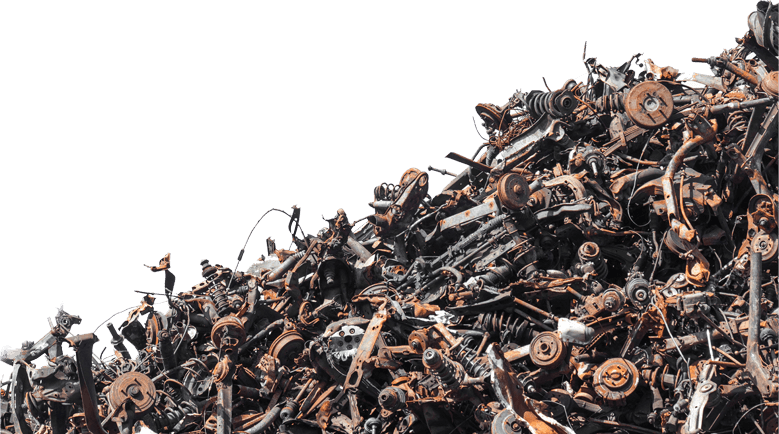
scrap metal

1: Upcycle Scrap Fabric

Utilising and repurposing fabric to create a gift is a simple and cost-effective way to give an environmentally friendly present. You can take old fabric that you have around the house or that you find in an op-shop to create presents like cloth bags, patchwork quilts, scarves, or even soft-toys for children. If you don’t have any spare fabric, you can even source clothes to use instead, or extra sheets or quilt covers that you may have around the house. This tip is a way to breathe new life into old or unused textiles, while at the same time, creating a thoughtful and useful gift for your loved ones.

2: Use Reclaimed Wood

Another type of material that you can repurpose or use to make presents is wood. You can utilise salvaged wooden pallets, or old furniture to make a myriad of things. Create unique and personalised photo frames by cutting and then sanding reclaimed wood. You can even include a cherished photo of you and your loved one in the frame to complete the gift. Another great idea is to create wooden coasters or decorative signs from disused wood, as the natural grain of this material can add warmth and beauty to your gift creations. Each piece that you make is a testament to the benefits of repurposing and will remind the recipient of the value of giving new life to forgotten materials.

3: Personalised Jars

Jars are a terrific and inexpensive thing to reuse and repurpose into a gift, and there are many different things that you can create using them. You can collect glass jars from op-shops or ask your friends and family to save them for you in the lead-up to Christmas. Then, consider painting them with glass paint to create interesting and unique candle holders or a stunning vase or pen-cup.

Another great gift option is to make a personalised recipe jar for the baker in your life. First, sterilise your jars properly, and then fill them with the dry ingredients for your favourite cookie, cake, or slice recipe. Then, create a label or a card to attach to the jar that features the full list of ingredients and the recipe, so that the recipient can enjoy creating your favourite sweet treat. You can decorate the recipe card and the outside of the jar however you like, so this is a perfect way for you to get creative and give a thoughtful gift at the same time. You can feel good about giving the gift of good food, and even organise to spend quality time with the recipient by making the recipe together.

4: Scrap Metal

You might not have thought about using scrap metal to make gifts, but metal is a very versatile material that can be repurposed in many ways. Some examples include using old keys to create eclectic jewellery, or shaping discarded wire to create custom and personalised keychains or unique home décor. You can even make charming metal bookmarks for the avid reader in your life.

Plus, consider using or repurposing scrap metal to make Christmas decorations. This is an eco-friendly and special gift to give any of your friends and family this year, and you can make them extra personal by customising them for the individual recipient. You can add the year to these metal decorations, or paint them with a family name or a special image that may be important to your loved one. These are just some of the ways to utilise scrap metal that might otherwise be discarded and end up in a landfill. You can create a lovely gift, and feel good about your impact on the environment.

Do You Need to Sell Scrap Metal?

Then look no further than Metal Men Recycling! If you have been inspired by this list of ways to recycle, reuse, and repurpose materials for Christmas gifts and you have scrap metal that you want to recycle, then we can help. Plus, if you are a business in need of professional metal recycling services, Metal Men can assist with that too. With over 50 combined years of metal industry experience, we proudly provide our customers with a seamless experience from start to finish.

When you are ready to recycle scrap metal, sell it to us by contacting 03 5941 6677, or fill out our online contact form.
The physical properties of scrap metal – which metal is the heaviest?

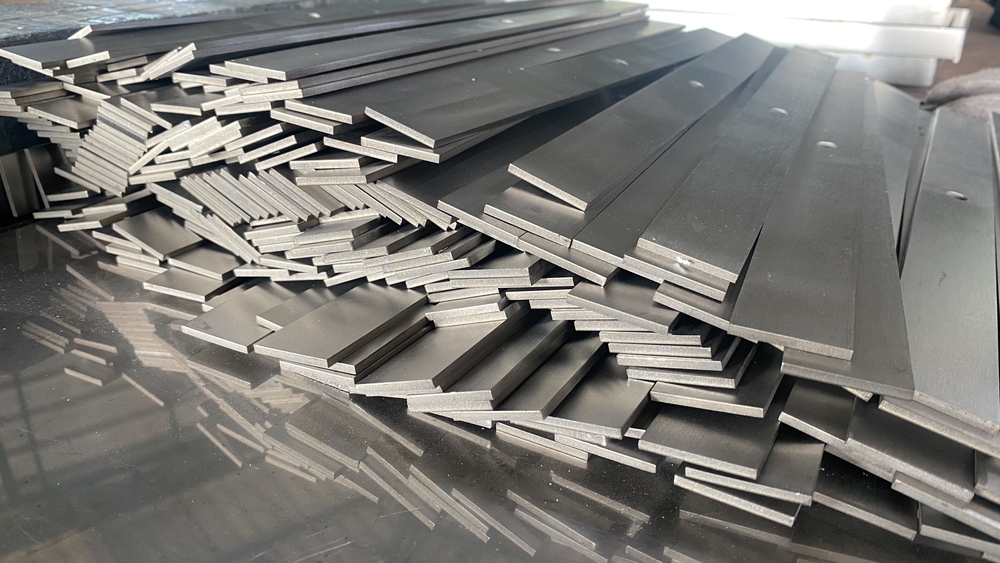
scrap stainless steel

When it comes to scrap metal, understanding the physical properties of different metals is crucial. One important aspect is density, which directly affects weight. Let’s explore the physical properties of four popular scrap metals—stainless steel, copper, brass, and aluminium—and determine which one is the heaviest. For example, how much space would scrap stainless steel per kg take up, compared to the size of a kg of scrap copper.

Stainless Steel

Stainless steel is an alloy known for its corrosion resistance, making it a popular choice across various industries. Composed primarily of iron, with chromium as a key component, stainless steel forms a protective layer that shields it from environmental elements. Stainless steel boasts a density of approximately 7,500 kg/m³- 8,000kg.m3 depending on the grade of the alloy and the components of the metal. This density, while lower than some other metals, is balanced by its durability and corrosion-resistant properties. In the world of scrap metal trading, stainless steel is valued for its unique combination of strength and longevity. The metal finds applications in a wide range of industries, from construction and automotive to healthcare and aerospace. Its resistance to corrosion makes it indispensable in environments where exposure to moisture and chemicals is common.

Copper

Copper is one of the oldest metals known to humanity, valued for its electrical conductivity and malleability. It’s used in a myriad of applications, particularly in electrical wiring and plumbing. It is denser than stainless steel, with a density of around 8960 kg/m³. This higher density contributes to its weight, making it a substantial metal in comparison. Copper’s excellent conductivity makes it essential in electrical applications. It’s also used in architectural elements, plumbing, and various industrial components.

Brass

Brass is an alloy of copper and zinc, known for its malleability and attractive golden appearance. It finds extensive use in decorative items, musical instruments, and engineering applications. Brass has a density of approximately 8400-8700 kg/m³. While it’s denser than stainless steel, it’s lighter than both copper and stainless steel. The alloy’s combination of malleability, corrosion resistance, and aesthetic appeal make it a favourite in musical instruments, plumbing fittings, and decorative hardware.

Aluminium

Aluminium is a lightweight and highly versatile metal, known for its corrosion resistance and high strength-to-weight ratio. It’s used in everything from aircraft construction to beverage cans. Aluminium is significantly lighter than the other metals discussed, with a density of approximately 2700 kg/m³. This low density, combined with its strength, contributes to its wide range of applications.

Its lightweight nature makes it invaluable in industries where weight reduction is critical. This includes aerospace, automotive, and packaging.

Comparing the Heaviness

To figure out which metals are the heaviest, we use a measurement called “kg/m³,” which stands for kilograms per cubic meter. This measurement tells us how much a certain volume of a material weighs. The higher the kg/m³ value, the heavier the material is for a given volume. So, when comparing different metals, the one with the highest kg/m³ is the heaviest.

After considering the densities and weights of these metals, it’s clear that copper is the heaviest among the four, followed by brass and then stainless steel. However, the density of the metal will vary depending on the alloy properties. Aluminium, due to its lower density, is the lightest of the metals discussed.

Factors Affecting Scrap Metal Prices

The weight and density of metals play a significant role in determining their scrap metal prices. Generally, metals with higher densities, like copper and stainless steel, tend to command higher prices per kilogram. However, other factors such as market demand, purity, and ease of recycling also influence prices.

Understanding the physical properties of scrap metals is essential for making informed decisions for recycling, trading, and selling. While each metal has its unique characteristics, copper emerges as the heaviest among stainless steel, brass, and aluminium. So, next time you’re dealing with scrap stainless steel per kg, consider the weighty factors that come into play.

Are You Ready to Sell Scrap Stainless Steel Per Kg?

Make the most of Metal Men Recycling’s dedicated metal and stainless-steel recycling capabilities today! We pride ourselves on being metal recycling experts and providing exceptional customer service from start to finish. Don’t let valuable scrap metal sit around to collect dust and take up space. We buy scrap stainless steel per kg or per gram.

Call us at 03 5941 6677, or fill out our online contact form, and we will get back to you!

What Are Batteries and How Can They Be Recycled?

Pile of used alkaline batteries

Batteries are an integral part of modern life, powering everything from our portable electronics to electric vehicles. While they provide the energy, we need to stay connected and mobile, they also present environmental challenges when they reach the end of their life cycle. In this blog, we’ll explore the world of batteries, their environmental impact, and the crucial process of recycling them. Plus, we’ll delve into how you can responsibly sell scrap batteries for both environmental and financial benefits.

Understanding Batteries

Batteries are electrochemical devices that store and release energy through chemical reactions. When you use a battery-powered device, these reactions generate electrical energy that powers the device. Batteries come in various types, each designed for specific applications. The most common types include alkaline batteries (common in household items), lead-acid batteries (used in vehicles and backup power systems), and lithium-ion batteries (found in smartphones and electric vehicles).

Battery Components

To understand how batteries work and why recycling them is essential, it’s important to know their key components:

Electrodes: Batteries have two electrodes—a positive electrode (cathode) and a negative electrode (anode)—that serve as the points where electrons enter and exit during charging and discharging.

Electrolyte: An electrolyte is a substance that facilitates the flow of ions between the electrodes. It can be a liquid, gel, or solid, depending on the battery type.

Casing: The casing or housing encloses the battery components, providing protection and electrical insulation.

The Environmental Impact

The improper disposal of batteries can have significant environmental consequences. Batteries often end up in landfills, where they can leach harmful chemicals into the soil and water. This contamination poses risks to both the environment and human health. Common battery components, such as lead, cadmium, and mercury, are toxic and can cause serious environmental damage when not handled correctly.

Recycling Benefits

Recycling batteries offers a sustainable solution to mitigate their environmental impact. This conserves resources, reduces energy consumption, and minimises the need for raw materials. Additionally, it prevents hazardous materials from leaching into the environment and contributes to a circular economy.

Battery Recycling Process

Battery recycling is a complex process that involves several stages to recover valuable materials and minimise waste. Here’s a brief overview of the typical battery recycling process:

1. Collection

The process begins with the collection of used batteries. Most standard council landfills and recycling facilities don’t have the capacity to take battery waste. Therefore, dedicated metal recycling companies are one of the best methods for getting rid of old batteries. You can sell scrap batteries to a metal recycling company that will collect the scrap from your location rather than you having to drop it off.

2. Sorting and Pre-processing

At the recycling facility, batteries are sorted by type and chemistry to facilitate the recycling process. Non-metallic components, such as plastic casings and insulation, are removed during this stage. The sorted batteries are then cleaned to remove any external contaminants.

3. Battery Shredding

The cleaned batteries are mechanically shredded into small pieces. Shredding increases the surface area, making it easier to extract valuable materials in subsequent steps.

4. Chemical Leaching (for Certain Types)

In some cases, chemical leaching is employed to recover valuable metals like cobalt, nickel, and cadmium. During this process, the shredded battery material is treated with chemicals to dissolve and separate the metals from other materials.

5. Smelting and Refining

The remaining battery materials, including metals like lead, are subjected to smelting and refining processes. Smelting involves melting the materials, while refining purifies the recovered metals. These refined metals can be reused in various industries.

6. Reuse of Materials

The recycled materials, including metals and plastics, find new life in the manufacturing of new batteries and other products. This closes the recycling loop and reduces the demand for virgin materials.

Benefits of Battery Recycling

Recycling batteries reduces the need for mining and processing raw materials, leading to emissions and broader environmental damage from mining. Valuable metals like lithium, cobalt, and nickel are conserved through recycling, reducing the strain on natural resources. Proper recycling prevents hazardous battery components from polluting the environment.

Do you want to Sell Scrap Batteries?

If you have used batteries to dispose of, you can contribute to both the environment and your wallet by selling scrap batteries. Make the most of Metal Men Recycling’s dedicated metal and battery recycling and collection capabilities today! We pride ourselves on being metal recycling experts and providing exceptional customer service from start to finish. Don’t let valuable scrap metal and batteries sit around or end up in the landfill. Sell scrap batteries to us today!

Call us at 03 5941 6677, or fill out our online contact form, and we will get back to you!

What is stainless steel? A guide to stainless steel recycling

Stainless steel, with its exceptional strength, corrosion resistance, and versatility, is a remarkable alloy that has become an integral part of modern life. From skyscrapers to surgical instruments, stainless steel finds its way into various industries due to its unique properties. Moreover, with the rising importance of sustainable practices, stainless steel recycling has gained prominence as an eco-friendly way to contribute to the circular economy. In this blog, we’ll delve into the world of stainless steel, explore its applications, and guide you through the process of selling scrap stainless steel, all while showcasing the responsible approach of Metal Men Recycling.

Understanding Stainless Steel

Stainless steel is a type of alloy steel that contains a minimum of 10.5% chromium content by mass. This chromium content is what gives stainless steel its unique properties, including resistance to corrosion, staining, and rusting. The addition of chromium forms a protective oxide layer on the surface of the steel, which helps prevent the metal from reacting with its environment and ensures its durability and longevity.

Stainless steel is known for its strength, versatility, and resistance to various environmental factors. It comes in a wide range of grades, each with specific characteristics and applications. In addition to chromium, stainless steel can also contain other alloying elements such as nickel, molybdenum, and titanium, which further enhance its properties.

Applications of Stainless Steel

The applications of stainless steel are virtually endless, spanning multiple industries:

Construction and Architecture: Stainless steel’s durability and aesthetic appeal make it a go-to choice for building facades, structural elements, and decorative features.

Automotive and Transportation: From exhaust systems to trim details, stainless steel enhances the longevity and appearance of vehicles.

Household Appliances: Stainless steel adds a sleek and modern look to appliances like refrigerators, stoves, and dishwashers, while also being resistant to heat and moisture.

Cookware and Cutlery: Its non-reactive nature and hygienic properties have made stainless steel a staple in the kitchen.

Medical and Healthcare: Stainless steel’s biocompatibility and resistance to sterilisation processes make it a crucial material for medical instruments, surgical tools, and implants.

Industrial Equipment: Stainless steel’s strength and corrosion resistance find applications in machinery, pipelines, and equipment in various industrial sectors.

Food Processing: Used extensively due to its sanitary qualities and resistance to acids and salts, stainless steel is a mainstay in food and beverage processing.

Aerospace and Defence: The robustness of stainless steel lends itself to aerospace components, aircraft structures, and defence equipment.

Marine Applications: With its resistance to saltwater and harsh marine conditions, stainless steel is essential for marine vessels and equipment.

Energy Sector: Stainless steel’s durability makes it suitable for power plants, pipelines, and renewable energy installations.

Grades of stainless steel

Stainless steel comes in different grades and finishes, each tailored for specific purposes. Common grades include 304 (often used in general applications), 316 (known for its enhanced corrosion resistance, making it suitable for marine and highly corrosive environments), and 430 (used for decorative and less corrosive applications). The choice of grade depends on factors such as the intended use, environmental conditions, and desired appearance.

The Recycling Process

Stainless steel recycling involves a multi-step process:

Collection and Sorting: Stainless steel scrap is collected and sorted to separate it from other materials.

Shredding and Melting: The sorted scrap is shredded to increase its surface area and then melted in a furnace.

Purification: Impurities are removed, and the alloy’s composition is adjusted as needed.

Casting and Reprocessing: Molten stainless steel is cast into forms for further processing.

End Use: Recycled stainless steel is used to manufacture various products, reducing the need for new raw materials.

Selling Scrap Stainless Steel: A Step-by-Step Guide

If you have scrap stainless steel lying around, you can turn it into cash by selling it to a metal recycling company.

Gather stainless steel items you no longer need or use. Remove non-metal components like plastic and rubber. If you can, group the scrap by type and grade. This sorting ensures you get the best price for your materials. However, a metal recycling company can also complete the sorting on your behalf.

Locate reputable scrap yards or buyers in your area.  If you live in Melbourne, consider working with established companies like Metal Men Recycling. We can organise the collection and pickup of scrap stainless steel, so you don’t have to worry about the transport of large objects.

Are You Ready to Sell Scrap Stainless Steel?

Make the most of Metal Men Recycling’s dedicated metal and stainless-steel recycling capabilities today! We pride ourselves on being metal recycling experts and providing exceptional customer service from start to finish. Don’t let valuable scrap metal sit around to collect dust and take up space. Sell scrap stainless steel today!

Call us at 03 5941 6677, or fill out our online contact form, and we will get back to you!

What is Aluminium and Why is it Valuable to Recycle?

Aluminium is a lightweight, silvery-white metal that is widely used in modern industries due to its unique properties. It’s the third most abundant element on Earth and can be found in various minerals such as bauxite. Recycling aluminium can have significant environmental and economic benefits, and Metal Men Recycling can help you sell scrap aluminium for cash.

What is Aluminium?

Aluminium is a chemical element with the symbol Al and atomic number 13. It’s a durable, ductile metal with a low density, making it lightweight yet strong. Due to its high reactivity, it can easily form compounds with other elements, making it ideal for use in a variety of applications, such as transportation, packaging, construction, and electronics. Aluminium is also a good conductor of heat and electricity, making it useful in the production of electrical wires and cooking utensils.

Where is Aluminium Found?

Aluminium is the most abundant metal in the Earth’s crust, accounting for about 8% of the crust by weight. It’s primarily found in the form of bauxite, a mineral that contains a mixture of aluminium hydroxide and other minerals. Bauxite is mined from the ground and refined into alumina, which is then used to produce aluminium metal through a process called electrolysis.

What is aluminium used for?

Aluminium is a widely used metal in various industries due to its unique properties. It is a versatile material that offers many benefits and has a range of applications. Some of its common everyday uses include:

Transportation: Aluminium’s lightweight and strength make it a popular material in the automotive and aerospace industries. It is used to manufacture car bodies, engine parts, and aeroplane components, such as wings and fuselages.

Packaging: Aluminium is widely used in the packaging industry due to its ability to protect and preserve products. It is commonly used to make beverage cans, food containers, and foil packaging.

Construction: Aluminium is a durable, strong, and lightweight material, making it an ideal choice for construction. It is used in the construction of buildings, bridges, and other structures, as well as in windows, doors, and roofing.

Electricals: Aluminium is an excellent conductor of electricity, making it a common material for electrical wires and cables.

Consumer Goods: Aluminium is used in a variety of consumer goods, such as cookware, utensils, and electronic devices like smartphones and laptops.

Industrial Applications: Aluminium is used in many industrial applications, including machinery, equipment, and tools.

Why is it valuable to sell scrap Aluminium?

Recycling aluminium is highly valuable due to several reasons. Firstly, it’s a finite resource, and the demand for it is continually increasing. By recycling aluminium, you can help conserve natural resources and reduce the need for mining and refining new bauxite ore. This, in turn, reduces the environmental impact of mining and refining processes, which can cause habitat destruction, air pollution, and water contamination. Recycling aluminium requires significantly less energy than producing new aluminium from bauxite ore. The energy required to recycle aluminium is just 5% of the energy required to produce new aluminium. This is significantly more environmentally friendly.

How Can You Sell Scrap Aluminium to Metal Men Recycling?

If you have scrap aluminium lying around your home or business, you can easily sell scrap aluminium for cash with Metal Men Recycling. Gather all the scrap aluminium you have lying around your home or business. This may include aluminium cans, utensils, car parts, and other items. After collating everything, contact Metal Men Recycling to arrange for pickup or drop-off of your scrap aluminium. We even organise bin drop-offs for homes or sites that have significant amounts of metal. Once we’ve received and processed your scrap aluminium, we’ll pay you for your materials.

Are You Ready to Sell Scrap Aluminium?

Make the most of Metal Men Recycling’s dedicated metal and aluminium recycling capabilities today! We pride ourselves on being metal recycling experts and providing exceptional customer service from start to finish. Don’t let valuable scrap metal sit around to collect dust and take up space. Sell scrap aluminium today!

Call us at 03 5941 6677, or fill out our online contact form, and we will get back to you!

What is Copper and How Can You Sell Scrap Copper for Profit?

Copper (Symbol Cu) is a highly valuable metal, used for a wide range of purposes from electrical wiring to construction materials. It is also one of the most easily recycled metals in the world, due to its versatility. If you have scrap copper lying around your home or business, you could be sitting on a valuable source of income. Luckily, you can sell scrap copper to a metal recycling company such as Metal Men Recycling to give it a second life, whilst also getting paid cash for your contribution.

copper wire is a common way to sell scrap copper

What is Copper and What are its Material Qualities:

Copper is a naturally occurring, non-ferrous orange-brown metal found in the earth’s crust. Its varied physical and chemical characteristic properties give the metal versatility and value. Firstly, it is highly electrically and thermally conductive, – second highest only to silver among pure metals at room temperature. This characteristic makes it a popular choice for electrical wiring and a range of other industrial applications. Secondly, it is also ductile and malleable, meaning it can be easily shaped and formed into a wide range of products, from pipes to jewellery. Additionally, it has corrosion-resistant and antimicrobial properties that can help prevent the growth of harmful bacteria such as E.Coli (although the significance of this characteristic is still being researched), making it ideal for use in plumbing pipes and fittings, roofing, gutters, and flashing.

Where Copper Can Be Found in Your Household:

You may be surprised to learn that copper can be found in many household items, including old electrical wiring, plumbing fixtures such as pipes and fittings, and kitchen utensils such as copper-bottomed pots and pans. Electronic devices such as smartphones, laptops, and televisions also contain small amounts of copper in their wiring and circuit boards. Copper is also present in some types of batteries and in some medical devices. To identify copper in your household items, look for a reddish-brown colour or a greenish patina on the surface.

Why is Copper Valuable:

Copper is valuable for several reasons. Its unique combination of properties makes it highly desirable for a range of essential industrial and household applications as mentioned prior. Given its versatility, the demand for copper is high and remained relatively stable over time. Luckily, copper is easily recyclable and an abundant resource, making it one of the most profitable types of scrap metals. 75% of copper products use recycled copper, giving the metal a continuous shelf life.

Why Recycling Copper is Important:

Recycling copper is an essential way to reduce the environmental impact of copper mining. Mining copper can have negative environmental impacts such as deforestation, water pollution, and soil erosion. By recycling your copper items, you can help reduce the need for new copper mining and protect the environment. Metal Men Recycling is committed to promoting sustainable and eco-friendly metal production by encouraging the recycling of copper and other metals.

How Can You Sell Scrap Copper:

If you have scrap copper at your home, worksite, office or any other premises then get in contact with Metal Men Recycling today! Our dedicated metal processing facility and yard give us the capability to recycle a wide variety of metals and alloys, including copper! With metal men recycling, not only do you get the opportunity to reduce clutter and rubbish, but you can also sell scrap copper for a profit! First, gather all your scrap copper items, including old electrical wiring, plumbing fixtures, and other copper items. Next, contact us to arrange for the pickup or drop-off of your scrap copper. We will deliver metal collection bins to your premises free of charge and pick them up at an organised later date to collect all your metal waste. After you sell scrap copper to us, we can organise payment via cheque or EFT.

Are You Ready to Sell Scrap Copper?

Make the most of Metal Men Recycling’s dedicated metal and copper recycling capabilities today! We pride ourselves on being metal recycling experts and providing exceptional customer service from start to finish. Don’t let valuable scrap metal sit around to collect dust and take up space. Sell scrap copper today!

Call us at 03 5941 6677, or fill out our online contact form, and we will get back to you!

What is Brass? How is it used and recycled?

Brass is a versatile metal alloy that is commonly used in a variety of industries, including construction, plumbing, and manufacturing. This material is a popular choice due to its durability, corrosion resistance, and attractive appearance. Brass appears commonly in household items, but what happens when those items become waste? What is the process for someone who wants to sell scrap brass in Melbourne. How do you sell it, and where?

What is Brass?

Brass is a metal alloy made of copper and zinc. The proportion of copper and zinc in brass can vary, with the most common being a mixture of 65% copper and 35% zinc. However, other metals can also be added to the alloy to give it specific properties, such as lead, tin, and nickel. The addition of these metals can affect the colour, strength, and other characteristics of the brass. Brass is known for its good corrosion resistance, durability, and malleability, which makes it easy to shape and mould into various forms. It is also a good conductor of heat and electricity, which makes it useful in applications where these properties are important. Finally, the yellow-gold colouration of the metal, combined with its shiny, reflective properties gives it an attractive quality for ornamental applications. 

metal sell scrap brass materials for recycling

How is Brass Used?

Brass is used in a wide range of applications due to its unique combination of properties. Some common uses of brass include:

Plumbing fixtures and fittings: Brass is widely used in plumbing applications due to its excellent corrosion resistance and durability. It is commonly used for valves, faucets, and other plumbing components.

Electrical connectors and terminals: The alloy is a good conductor of electricity, making it ideal for use in electrical connectors, terminals, and switches.

Decorative objects: Brass is often used for decorative objects like sculptures, ornaments, and doorknobs due to its attractive golden colour and ability to be easily moulded into intricate shapes.

Musical instruments: Musical instruments like trumpets, trombones, and saxophones can deliver a more warm and rich sound with brass than possible with its parent metals. This, combined with its attractive visual features and easy malleability – allowing intricate shapes, makes it an easy choice.

Mechanical components: Mechanical components such as gears, bearings, and bushings use brass due to the alloy’s excellent wear resistance and ability to withstand high temperatures.

Where you’ll find brass around your house:

Alongside the musical instruments and plumbing fixtures, brass can often be found in many household items. Door handles, knobs and locks are commonly made of brass in many households due to their attractive appearance and durability. Brass is a popular material for lighting fixtures such as lamps and chandeliers because it can be easily shaped into intricate designs, and the golden-yellow colour amplifies the warmth. The attractive visual qualities of brass mean it is also often used to make decorative objects like picture frames, sculptures, and candle holders. However, a lot of these objects can’t be recycled easily due to their variety of parts, and you may need to contact a metal recycling company to sell scrap brass.

Benefits of Recycling Brass

Recycling brass offers several benefits. First, it helps to conserve natural resources by reducing the need to mine and extract new metals. Recycling also reduces energy consumption, as it takes less energy to recycle brass than it does to produce new brass. Additionally, recycling brass helps to minimise the environmental impact of mining and processing new metals, as well as reducing waste in landfills.

How to Sell Scrap Brass

If you have scrap brass that you would like to sell, get in contact with us at Metal Men Recycling. Our facility recycles all types of metal materials and alloys, and you can recycle them for a profit! Metal Men Recycling has a dedicated scrap and salvage yard and facility that has the capabilities of recycling and forwarding a wide variety of brass products. From fittings to mechanical components, doorknobs and more!

Are You Ready to Sell Scrap Brass?

Make the most of Metal Men Recycling’s dedicated metal and brass recycling capabilities today! We pride ourselves on being metal recycling experts and providing exceptional customer service from start to finish. Don’t let valuable scrap metal sit around to collect dust and take up space. Sell scrap brass today!

Call us at 03 5941 6677, or fill out our online contact form, and we will get back to you!

What Is The Process When You Sell Scrap Metal For Recycling?

Selling scrap metal for recycling is a fantastic way to revitalise a material that has been used previously. It reduces waste, is great for the environment, profitable for the seller, and can be transformed into an incredibly useful new item or structure. So, what is the process for someone who wants to sell scrap metal? How do you sell it, and what happens after it is sold?

scrap metal recycling

What defines scrap metal?

Scrap metal refers to metal waste or discarded metal objects that are no longer being used. This can include items such as old cars, appliances, machines, construction materials, and electronic devices. Scrap metal is usually not biodegradable, which means it does not break down naturally in the environment and can contribute to pollution and landfill. However, scrap metal can be recycled and repurposed into new metal products, reducing the need for mining and other extraction processes.

Where is scrap metal sourced from?

Scrap metal is usually sourced from a few main locations:

  • Industrial Waste: This metal is collected from industrial sites such as factories, manufacturing plants, and businesses that use metal products.
  • End-of-life products: Old or broken-down products such as cars, appliances, electronic devices, and machinery.
  • Construction/ Demolition: often there is leftover scrap metal after the construction process and of course, plenty can be found after a demolition.
  • Consumer waste: Consumer waste for packaging products such as cans, aluminium foil, and other metallic packaging can also be collected and recycled.

What happens if I want to sell scrap metal?

There may be many scenarios where you find yourself with scrap metal that you aren’t sure how to dispose of. Often you might find yourself with a big pile of stuff, some of it may be scrap metal. Unfortunately, a lot of scrap metal aside from consumer waste such as cans is not suitable for recycling within Melbourne and Victoria’s regular recycling system. This leads to people either throwing the metal into a landfill where it won’t break down or leaving it sitting around damaging the environment and taking up space. In scenarios where you have leftover scrap metal lying around, a dedicated metal recycling company such as Metal Men Recycling can take care of your scrap for you, and as a bonus, you receive cash in return.  

Metal Men Recycling has a dedicated scrap and salvage yard and facility that has the capabilities of recycling and forwarding a wide variety of products. From cans to batteries to cars and electric motors.

How is the scrap metal collected?

Because scrap metal collection goes through a separate recycling entity to your standard council ran operation, you aren’t able to put scrap into your regular recycling bins. During scrap collection, Metal Men Recycling will deliver dedicated bins to your premises, free of charge, for you to fill with the designated scrap. These bins will then be picked up by our metal collectors and delivered to our facility. However, bins may not be appropriate for large-scale operations such as factories or farms. Metal Men Recycling offers custom factory and farm clean-up solutions so no matter what the scenario, the scrap is collected for re-use.

What happens to scrap metal after collection?

  • Sorting: The collected scrap metal is sorted and categorised based on the type of metal (brass, aluminium, copper, etc.) and quality (whether it is damaged, or rusted). Metals of differing quality may have different processing methods, so it’s important to sort them correctly. The sorting process may involve deconstructing some items such as cars or appliances.
  • Processing: The sorted scrap metal is then processed to remove any impurities, such as dirt, plastic, or other non-metallic materials. This step can involve shredding, cutting, or crushing the scrap metal into smaller pieces.
  • Melting: The processed scrap metal is melted down in a furnace to produce molten metal. The temperature required for melting depends on the type of metal being recycled. During the melting process, impurities rise to the surface of the molten metal and are removed.
  • Solidification: The purified molten metal is cast into solid shapes or forms for the new intended use.
  • Distribution: The newly recycled metal can now be distributed to manufacturers who will use it to produce new products.

Are You Ready to Sell Scrap Metal?

Make the most of Metal Men Recycling’s dedicated metal recycling capabilities today! We pride ourselves on being metal recycling experts and providing exceptional customer service from start to finish. Don’t let valuable scrap metal sit around to collect dust and take up space. Sell your scrap metal today!

Call us at 03 5941 6677, or fill out our online contact form, and we will get back to you!

4 Ways to Dispose of Old Appliances

Here at Metal Men Recycling, we know that you can sell scrap metal to make extra money and dispose of items that you may have lying around the house. As Melbourne metal recycling experts, we’re aware of all the benefits that come from selling scrap metal to be recycled by Metal Men, such as advantages for the environment, and for your hip pocket!

But what do you do when you have old appliances to get rid of?

These days, we can’t live without our fridges, televisions, or our washing machines, but when they wear out or give up altogether, you’re left with bulky items that you somehow have to get rid of. Make sure that you don’t fall into the trap of storing older, worn-out, or completely dead appliances in the garage to deal with “later” – they’ll just collect dust and take up valuable storage space. Instead, keep reading to discover what you can do with old, disused appliances – including the best way to make money from them!

An old stove, fridge and washing machine which can be sold as scrap metal

Sell Appliances for Scrap Metal

Our number one top-tip for disposing of appliances is to sell them for scrap metal. It might surprise you to find out that you can sell scrap metal from within your old appliances, but most appliances do contain a certain amount of metal. This metal can be sold for scrap and is recycled by us here at Metal Men, giving you an easy way to dispose of your old items, and a nice bonus for your wallet.

Selling old appliances for scrap metal has plenty of benefits, including the opportunity to get some extra cash, security that the items have been disposed of safely, as well as the rewarding fact that by selling for recycling you are helping the environment.

Note: Not all appliances are created equal when it comes to metal content, so it’s important to know that the best appliances to sell for scrap metal are often the biggest ones! Think: stoves and ovens, washing machines, dryers, and dishwashers.

Consider Company Take-Back Schemes

Another option for old appliances is company take-back schemes. Some companies like JB Hi-Fi and The Good Guys do offer appliance take-back programs, through which the company you bought the appliance from will remove said appliance from your home and dispose of it for you.

The catch is that many of the take-back schemes are only available to those purchasing a new appliance from a specific company, or for a fee, dependent on the size and weight of the old product and the distance to your address. These schemes are something that you can consider but remember that you could end up being out of pocket depending on where you bought the appliance originally.

Try Gumtree or Facebook Marketplace

The first question to ask yourself is this: does the appliance still work? If the answer is yes, then you can consider listing it on Gumtree or Facebook Marketplace. You can list your old, working appliance on buying and selling sites such as Gumtree or Facebook Marketplace, and sell it to someone who is in the market for second-hand goods. Of course, it all depends on how old the appliance is, and its working condition, but you could make a little extra cash from the transaction.

When listing appliances on sites such as these, it is critical that you are upfront and honest when it comes to the age, condition, and function of the appliance. The buyer must know exactly what they are getting with the appliance you sell them – including any scratches or dents, and the year you purchased the item.

Bonus Tip: Looking for an opportunity to do a good deed? If you’re listing your appliance on Gumtree or Facebook Marketplace, consider listing it for free! By doing this, you could be giving a helping hand to someone who really needs it and disposing of your appliance at the same time!

Council Disposal

Finally, you can also check with your local council to see if they have recycling or disposal programs for old appliances. Many councils run such programs, though it is important to confirm if your local council actually recycles appliances, or if they do send them to landfill. You can check out how your local council can help you to dispose of appliances by searching your locality on the Victorian government sustainability website.

Have Old Appliances? Decided to Sell Scrap Metal?  

Look no further than Metal Men Recycling. Whether you want to sell scrap metal in the form of old appliances, or sell other scrap metal like scrap cans or batteries, we are here for all your metal recycling needs.

With over 50 years of combined experience in the metal industry, our expertise and customer service are second to none. Give us a call on 03 5941 6677 or fill out our online contact form, and we will happily get back to you!

Why Scrap Metal Recycling is So Important for Climate Change?

Have you noticed that the Winters are colder, and the Summers are hotter lately? Perhaps you’re hearing about more natural disasters than you used to. As years continue to pass without significant climate action, the effects of climate change worsen. The consequences can be seen in increasingly devastating weather events and rising temperatures, and experts note that we only have a limited amount of time left to halt climate change. It’s now more important than ever that we do anything we can to mitigate the damage done by climate change so far, and one of the most powerful ways you can contribute is recycling. So why is metal recycling so important, and what are the benefits to the environment? At Metal Men Recycling, we buy your scrap metal so that it’s no longer cluttering your home or workplace and is recycled responsibly. Keep reading to learn how you can sell scrap metal and how that can have a positive effect on the future of our natural world.

Lowered Carbon Emissions

Here at Metal Men Recycling, when we buy scrap metal, we recycle it. That means that it can be repurposed and used to produce new materials, items, and products.

The process of using recycled materials in manufacturing uses less energy than if the process was started from scratch. This in turn leads to savings on greenhouse gas emissions that would have otherwise been created if the manufacturing process did not include recycled materials. Your scrap metal products could be repurposed and used to create something new, saving emissions and helping to create a better future.

Recycling and Implications for Mining

Mining and mining processes can have a hugely negative effect on the natural environment and can cause air pollution, water pollution, deforestation, and strain on natural resources. Selling scrap metal for recycling does, in fact, reduce the need for new metals to be extracted from natural sources through mining. Recycled metal can be repurposed and used for new purposes, thus fewer metals need to be mined. This overall decrease in mining activity, however large or small, is better for the environment and can help to mitigate the effects of climate change.

Creation of a Circular Economy

Recycling is one of the major components of a circular economy. A circular economy is a production model that seeks to use products and materials for as long as it is viable. This is done through a circular model of sharing, leasing, reusing, repairing, refurbishing, and recycling said products and materials. This contrasts with a linear economy, which is often characterised by a take, make, waste mentality.

The circular economy aims to create a “closed-loop” system – a circle – in which infrastructure, products and materials have a longer lifespan, thus having a positive effect on the environment. Recycling, including the recycling of scrap metal, contributes to this circular economy, and helps to combat climate change.

Scrap Metal Recycling and Landfill

A landfill is particularly dangerous for the environment. The items and rubbish that end up in landfill break down and release C02 into the atmosphere, also known as greenhouse gas emissions. These emissions radiate heat, contributing to the rise in temperatures.

Recycling scrap metal means that the metal from your home or business is used in the circular economy. This means that metal that could have otherwise ended up in landfill, is saved, recycled, and used elsewhere. With more products recycled, and less rubbish in landfill, there is the potential for fewer emissions to be produced and released into the atmosphere.

Looking to Sell Scrap Metal in Melbourne?

The home can be a great place to start if you’re looking to make some money from scrap metal. Your home can be a hiding place for all kinds of scrap metal that you can turn into extra money – just from items you already have lying around. In case you’re not sure where to start, check out our beginner’s guide to identifying scrap metal that you can sell, or this list of unexpected places to find scrap iron around the house.

Ready to sell? That’s where Metal Men Recycling steps in – we’re here to take care of all your metal buying and recycling needs. As a family-owned business with over 50 years of combined metal industry experience, we provide a complete and seamless experience from start to finish. From aluminium to copper, stainless steel to brass, if it’s metal, we’ll buy it and recycle it!

So, when you decide to sell scrap metal, make sure it’s with Metal Men Recycling, and with our help, you can contribute positively to the environment. Give us a call on 03 5941 6677 or fill out our online contact form, and we will get back to you.

Vanadium, Australia’s New Battery Technology

Battery technology is becoming more and more important as Australia and the rest of the world transition to renewable energy. Most people associate batteries with the small household items used to power electronic devices, but as renewable technology continues to improve, there is demand for larger and larger batteries with integration into electricity grids. Increasing developments in the sector have made the technology more efficient and feasible as an industrial-grade energy storage device. One of the current issues with batteries is their deterioration over time and the need for recycling. At Metal Men Recycling, we have people sell old batteries to us so we can make sure they are recycled properly, as batteries are not suitable for disposal in a regular household recycling bin due to the chemicals and metals used for production.

But new technology aims to improve the lifespan and recycling capacity of the world’s industrial-grade batteries, and it has all started here in Australia. Whilst lithium-ion batteries are currently the market leader in renewable battery technology, commonly associated with Tesla products, electric vehicles, and large-scale battery installations for solar power; an alternate battery solution is being developed that aims to be a competitor for large-scale installation. Vanadium Batteries.

What is Vanadium?

Vanadium is not a common household name, but maybe in twenty years when you come to Metal Men to sell old batteries, we’ll be taking some of these. Sitting at #23 on the periodic table with the symbol ‘V’, whilst some isolated deposits can be found, the metal is commonly found naturally in 65 minerals and fossil fuels. The largest players in the Vanadium market are China, Russia, and South Africa, as the metal is currently used for making steel alloys. Whilst there are not currently Vanadium mines operating in Australia, deposits have been located and are awaiting approval processes.

Vanadium Redox Batteries.

Maria Skyllas-Kazacos discovered the first demonstration of a rechargeable Vanadium redox Flow Battery in the 1980s using a solution of sulphuric acid. She currently holds over 30 patents to the technology with the University of New South Wales. Kazacos has stated that technology has recently seen more interest as the renewables sector is starting to ‘acknowledge that you needed to store energy, the grid isn’t so good at stabilising all these renewable energies…. you really need a long duration. And that’s why flow batteries have been attracting a lot of attention.”

Renewable technology has a fluctuating supply throughout the day, as the sun shines, cloud cover, and wind speed, all affect the input of electricity into the grid. This means that a large amount of electricity will enter the grid and once, but none will be generated at other times of the day. The times of generation often do not match demand. A stable battery storage solution aims to solve this issue, which is where a vanadium flow battery excels. The benefits of the battery are their incredible stability, with the ability to be discharged and recharged up to 20,000 times and lose little performance, unlike that of a lithium-ion battery, which loses immense capacity after a tenth of the recharges.

Benefits of Vanadium Batteries

It’s much easier to adapt vanadium batteries to large-scale applications, as the electrolyte fluid that transfers charges inside the battery can be scaled accordingly. However, current vanadium battery storage is large scale only and not as compact as lithium-ion capabilities. Most current Vanadium batteries have a 25+ year lifespan at full capacity, in comparison to the 5–10-year lithium-ion battery lifespan (with capacity degrading over time.) The electrolyte solution doesn’t degrade over time and can be re-used when the actual battery hardware needs upgrading. So, in theory, a vanadium battery can operate forever, at full capacity, and no new vanadium needs to be mined during the recycling process. The other big advantage is the safety and lack of flammability or explosivity of the battery. Whilst lithium-ion fires are causing problems for the electric vehicle and battery industry, vanadium batteries should not catch fire given they are water-based.

Disadvantages of Vanadium Batteries.

However, there are currently a few issues the vanadium battery industry must tackle to compete with Lithium-Ion in some respects. Vanadium batteries are heavier and have a lower energy-volume ratio when compared to other types of batteries, which is why they are currently only being used for large-scale, stationary installations. This is due to the high weight of the electrolyte solution. Vanadium oxides can be toxic at high exposure levels as well.

So, whilst this market is emerging, only time will tell if you will be visiting metal men recycling to sell old battery parts from recycled vanadium batteries in the future.

Sell Old Batteries for Recycling

If you’re looking to sell old batteries or scrap metal in Melbourne, the scrap metal buyers at Metal Men Recycling offer a professional service and the best prices. We offer a streamlined battery and scrap metal recycling clean-up and collection, with our 24-hour pick-up service.

Whether you’re looking to sell old batteries or scrap metal, give us a call on 03 5941 6677 or fill out our online contact form

How To Sell Scrap Metal From Old Cars?

If you have a vehicle that’s too old for repair and unnecessarily taking up space rusting in your driveway, it may be time to sell it to scrap metal buyers like Metal Men Recycling. Not only will this allow the materials to be reused for new purposes, reducing landfills, but it earns you money while removing an unwanted, bulky vehicle.

Preparation is key

Before your used vehicle can be collected for metal recycling, it is important to strip the interiors and clean the car thoroughly. This includes removing any items stored within the car and removing the upholstery and seating for resale or deconstructing further for recyclable parts. Determining which components of the vehicle are still operational can also be helpful. For instance, if your stereo system still functions, you might consider selling this part elsewhere to allow it to be reused.

If you’re considering selling an older vehicle for scrap, it stands to reason that you’ve probably had a mechanic investigate the costs of repairs. For further recycling benefits, consider exploring if the car’s brakes, spark plugs, lights or other functional components can be stripped and used for other car repairs with your mechanic.

Ensure the car’s chemicals and battery are handled safely

Vehicles like cars and trucks contain many hazardous substances and components that need to be handled with care. From the residual fuel remaining in the tank and pipes to the chemicals in the car battery, stripping a vehicle for components requires trained professionals. Check with your scrap dealer if their services include draining the car’s fluids including petrol, oil, brake fluid and coolant. If your metal recycler doesn’t offer this service, you will need to organise draining the car of brake fluid, petrol and oil with a mechanic or do it yourself.

The car’s used lead battery also contains valuable substances that can be reclaimed and repurposed. It is important to ensure you handle the lead-acid battery safely to reduce the dangers of used batteries. This includes lifting with care and not damaging the outer seal that protects your skin from the harmful chemicals within the battery. Lead-acid batteries should only be recycled by licensed professionals. Trained metal recyclers will safely strip the lead and plastic from the scrap battery according to manufacturer instructions and send the collected, recyclable materials to manufacturers to create new car batteries.

Selling the scrap metal of an old vehicle is easy with Metal Men Recycling
Selling your old vehicle to a metal recycler like Metal Men Recycling has extensive benefits to the environment, community, and your pocket! Environmentally, it is more economical to recycle the scrap metal, to be melted and reused for other metal needs. This helps the environment by reducing the need for mining, transporting, and treating raw materials, releasing less harmful carbon emissions into the atmosphere. Selling vehicles that have become a bulky eyesore also avoid the dangers and costs of abandoned cars, which can release harmful substances into the environment over time and costs the local council money that could be better spent improving your suburb.  

For older vehicles and bulky scrap, Metal Men Recycling can arrange to pick up the metal to be recycled. Our team has the equipment needed to collect your scrap metal, no matter the size, and will pay you on the spot for your metal.

For all other metal recycling needs, our team also offer a 24-hour turnaround time with free collection bins for your scrap metal. Our dedicated team can deliver these bins and pick them up from your home or business at your convenience.

Looking to sell your scrap metal?

If you’re looking to sell scrap metal like an older vehicle in Melbourne, the scrap metal buyers at Metal Men Recycling offer a professional service and the best prices. With over 50 years of metal recycling experience, Metal Men Recycling provides streamlined scrap metal recycling clean-up and collection. We take all the hard work of sorting and transporting out of the process with our 24-hour pick-up service to benefit your business and the environment.

Whether you’re looking to sell scrap metal or would just like to learn more about our business to business metal recycling process, give us a call on 03 5941 6677 or fill out our online contact form.