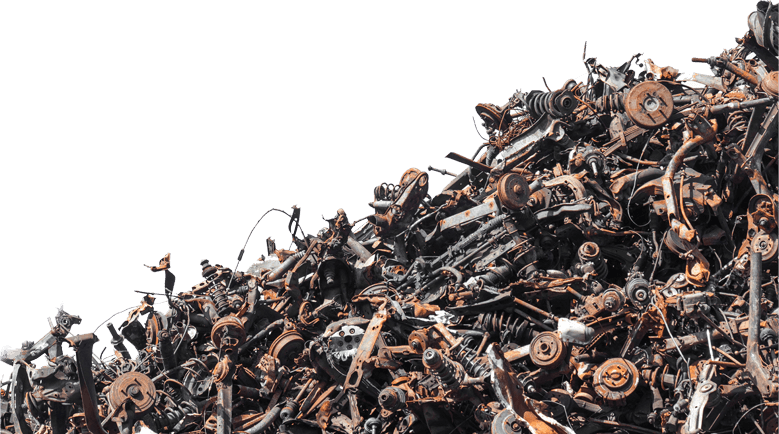
Heavy Metals And Toxicity

We know what you’re thinking – and no, we aren’t going to be talking about heavy metal music. But, rather, the type of metal that contains high atomic weights, atomic numbers or high densities. Heavy metals are commonly considered to be highly toxic and dangerous. This is true to some extent. Like most things, this depends on the type of heavy metal as well as the degree of exposure. Some heavy metals are only hazardous if they’re in a certain form. But now for the big question, can heavy metals be recycled? Today our Melbourne scrap metal buyers will be answering that question – as well as looking at some other interesting facts toxic metals around the world.

What are they and how do they differ from standard metals?

In reality, there is no definitively agreed-upon definition for heavy metals and different principles of science have their own ways of defining heavy metals. Though, the metallurgy definition is the most commonly referenced version. This definition is that a heavy metal is any type of metal with a density greater than 5g/cm³– which encompasses a fair few types of metal. 

But, some of the more common heavy metals that we think of when we hear the phrase are mercury, lead, zinc, cadmium and chromium. Iron and copper can also be considered heavy metals, however. The main difference between heavy metals and standard types of metals are their density.

In physics, heavy metals are considered to be any metal with an atomic number higher than 20. This definition has been met with criticism, however, due to some of the metals with atomic numbers higher than 20, also having a low-density number. Heavy metals occur naturally within the Earth but are released through anthropogenic processes as well. 

Can they be recycled?

Ultimately, it depends on the type of heavy metal. Lead, for example, can be recycled. Mercury, on the other hand, cannot be and must be disposed of at specialised facilities. Heavy metals such as lead and mercury mustn’t end up in landfill as their toxicity will harm the environment. They will contaminate the soil and groundwater below – which will lead to the poisoning of animal and human life alike.

Rocket to Russia

There is a small town in one of Russia’s federal subjects, Arkhangelsk Oblast, that is constantly polluted by falling rocket pieces. The nearby Plesetsk Cosmodrome is one of the world’s most active missile bases. The thing is, the rockets are constantly jettisoning fuel tanks and other attachments from the air, which end up falling to the town. These pieces are scavenged, made into art and appropriated by the people of the town. Some of the rarer and valuable materials such as gold are even sold on the regions black market.

The twist is though, whilst the metals used to make these parts aren’t toxic themselves, things like heptyl, which is a rocket repellent, are still present in the detached pieces. There has been no statistical evidence at this point, however, proving that the heptyl is toxic enough to adversely affect the health of the population. Regardless, the impact on the environment is sure to head in a negative direction if toxic chemicals are still present in the metal rocket pieces.

Their effect on the environment

Whether it’s heavy metals themselves, or metals that contain traces of toxic and hazardous chemicals – they should always be recycled (if possible) or disposed of in safe and appropriate manners. Otherwise, they will contaminate groundwater supplies and soil – stunting plant growth and poisoning wildlife and water supplies. So, when possible, aim to dispose of heavy metals appropriately instead of sending them to the landfill.

Looking for scrap metal buyers in Melbourne?

If you’re thinking of selling your scrap and in need of scrap metal buyers in Melbourne, then look no further! Metal Men Recycling is a premium scrap metal recycling company that is easy, efficient and honest. We buy all forms of scrap metal including ferrous and non-ferrous types. We also offer pick-up services and can offer you a variety of bin sizes if you have a large load that you need recycled.

Our highly knowledgeable and experienced staff members will be able to assist you on-site and direct you to where you need to go. Our scrapyard contains a large weight bridge – should you need in.

So, if you’re looking for scrap metal buyers in Melbourne, then get in touch with us by calling 03 5941 6677. Alternatively, you can fill out the enquiry form on our website.

Recycling Around The World

We are all familiar with how metal recycling – and general recycling for that matter – is handled in Melbourne. But not everywhere does it as we do. Even within Australia, different recycling practices are undertaken. A perfect example of this would be the new Western Australia refund scheme for cans and bottle. So, for today’s blog, our Melbourne metal recycling experts are going to turn their eyes to the world and explore some interesting ways that other countries recycle.

They set targets

According to an article published on the World Economic Forum in 2017, the best recyclers in the world set rigorous and ambitious targets for their countries. These countries encourage recycling not only by explaining its environmental benefits but also by increasing funding and making it easier for households to recycle. Some of them even go as far as offering financial incentives for recycling.

Germany is the leading country when it comes to recycling. The European Union as a whole is hoping to cut at least 65% of waste by 2030 – whilst Wales is setting their sights much higher with a goal of zero waste by 2050. It’s not just the targets they set that separates these countries from others, but also the action they take which clearly yields positive results.


What’s up with Sweden?

Sweden is a country that is often considered to be the world-leader when it comes to waste recycling – even though Germany is statistically on top. One of the reasons for this is because Sweden includes the energy that they recover when they incinerate waste as part of their recycling rate. So, when they state that they recycle 99% of its waste, it technically isn’t true as most places don’t consider burning waste to be recycling. In fact, Sweden has to import garbage from other countries just to keep their plants going since only 1% of their waste goes to landfills.

The problem with this is, burning waste releases a lot of CO2 emissions – around 1355kg per megawatt-hour of electricity produced. This is actually more emissions then what is released from coal-burning (1020kg) and natural gasses (514kg). Whilst CO2 itself is not technically a pollutant, it does contribute to the greenhouse effect. Though these emissions would’ve been released eventually if the waste – which is predominantly made up of food, paper and other biomass-heavy items – had been left in a landfill, the incineration just releases them sooner.

It’s also been argued that waste-to-energy is a short-term solution and will not actually benefit us in the long-run. This is because Sweden is taking resources out of the game by incinerating them instead of recycling them for actual reuse. So, instead of reusing the resources, they’d have to create new items from scratch, which in itself takes up more energy and resources than doing it from recycled materials. 


Wales is kicking goals

We mentioned above that Wales is setting some ambitious goals for themselves to meet in the recycling world, but what we didn’t mention is that they’ve already achieved so much. They were the first country in the UK to introduce a charge for plastic bags way back in 2011. But, more importantly, they reached their 2020 recycling goal of 64% in 2016 – that’s four years early!


Germany is still #1

Germany’s households have four different bins:

  • Brown “BioTonne” bin for food waste – which is collected weekly;
  • Blue bin for paper – collected fortnightly;
  • Yellow bin for all forms of packaging – collected fortnightly on an alternating schedule with the blue bin; and
  • Black bin for other garbage – which is only collected once a month.

The primary reason that Germany’s recycling practise is so successful is because of strict policy and action. It is often joked about that Germany’s hobby is recycling since they have such rigorous rules – to the point where there are different bins in public for different coloured glass products. There are also specific times where you cannot recycle glass products – as well as cause other loud noises. This is during their quiet time.


Thinking of doing some metal recycling in Melbourne?

Whilst the rest of the world has some pretty interesting and recycling tactics, we have our own here in Melbourne too. Metal Men Recycling is a Melbourne metal recycling company that specialises in all forms of metal recycling. We offer pick-up services and can pay you for your scrap metal.

So, if you’re looking at doing some metal recycling in Melbourne, please give us a call on 03 5941 6677. Alternatively, you can fill out the enquiry form on our website.

4 Common Mistakes Made When Scrapping Metal

If you’re looking to sell scrap metal, then you’ve made a great decision. Not only can you get paid for scrapping metal, but you’ll also be making a positive impact on the planet by contributing to the metal recycling industry – which uses significantly less greenhouse gasses than producing virgin metal does. But there are some things that you should keep in mind and be sure not to do when scrapping metal. Today’s blog will be concentrating on four of the more common mistakes and what you can do to avoid them.

1.   Prepare your scrap metal

You may think that it’s easier for you to just gather all your scrap metal and dump it the scrappers hands – and it may be for you, but you’ll only be cheating yourself. Strip your copper and aluminium wires. If you take the time to strip the wiring, then you’ll actually earn more of a return as it’s one less thing the scrappers will have to do. 

It’s also a good way to make it clear just how much metal you have by submitting scrap metal alone and not products that may have other materials attached to them. This is a good way to maximise your profits as well. Organising your scrap metal by ferrous and nonferrous categories is also a good tip as it’ll make the entire process a lot easier. If your pile of scrap metal is also made to look more appealing and neat, then you’ll know what exactly your scrapping and so will the scrapyard – making it easier for them to price.


2.   Know scrap metal grades

You should know that there are different grades of different types of metal. Copper is a popular one that has several different grades. The highest and most valuable grade of copper is known as bare bright copper. Bare bright copper is larger than 16 gauge and never tarnished. It is also bare, uncoated and unalloyed in its appearance. Stainless steel – on-the-other-hand – is graded by the amount of nickel that can be found within the mix.

The reason you should know what the grades are is to avoid disappointment later down the track. You might think you’re entitled to a different rate because you think you have high-quality scrap metal. But if it turns out you have lower grade scrap metal then you won’t be receiving what you thought you should be getting. By knowing what the grades of the metal you have are, you can accurately estimate the return you’ll be receiving for when you sell your scrap metal.


3.   Research the scrapyard

Before you decide to take a trip to a scrapyard, you should call ahead and find out as much as you can about how particular scrapyards prefer their scrap metal to be delivered, sorted and also what the buying price is. You should always have a rough idea of what you’ll get paid before taking your scrap metal in. Once you know the rates then you can try and maximise your profit as much as possible by separating your scrap metal into specific piles and making it more attractive – for example.


4.   Keep an eye on the market

Just like any commodity, the price of scrap metal will fluctuate so patience may work in your favour in some cases. Have a look at past trends to give you an idea of where prices were and how they compare to the current market. This will give you an idea on if you should sell straight away or if you should wait for prices to get better. It’s also smart to shop around. Get a feel for the prices that various scrapyards offer to try and find the most competitive. 


Are you looking to sell scrap metal?

Selling scrap metal can be a great way to earn extra cash on the side as well contribute to a more environmentally friendly metal production industry. At Metal Men Recycling, we offer competitive rates for buying your scrap metal. Our knowledgeable staff members will be able to offer any assistance and answer any questions you may have in relation to scrap metal. We also offer an all-inclusive 24-hour pick-up service that includes various bins sizes for whatever size load you may have. We buy any type of scrap metal that you have.

So, if you would like to know more about our services – or how you can make the most out of our services – then please give us a call on 03 5941 6677 or fill out the enquiry form on our website.

Scrapping Motors

When it comes to metal recycling in Melbourne, there’s a lot of stuff that we can take advantage of as a community and as individuals. Most of us have a hoard of recyclable metal in our homes and don’t even know it. But, just to add more to the mix, we’re going to be looking at old motors and we can scrap these and make a profit from them. There are things we can sell and things we can’t when taking apart old motors. Today’s blog is going to dive into what we can and can’t sell and how we can maximise on this.

What’s classified as a motor?

Most people’s minds will automatically draw to car motors when they see the word on its own – but when we say it, we mean motorbikes, lawnmowers, fans, leaf blowers and any other similar devices, power tools or appliances that contain motors within them. No matter their size, they can be pulled apart and certain parts of them can be sold as scrap metal – especially the copper wiring. Essentially, almost anything that has moving parts will have a motor inside of it.


What parts of them can be scrapped?

You can essentially scrap most of the motor, though the outer shell will most likely not fetch as high a price as the copper wiring that is found on the inside. Copper is the largest volume of scrap metal that is generally found in motors. Though, aluminium wiring can also be found – it will not be as valuable as the copper. Whether you want to open up the motor yourself or leave it for your metal scrappers to do is up to you. Though, by opening it up yourself you can see what’s inside and be more prepared heading into the scrap yard.


Sourcing motors

Any old appliance you may have lying around at home that was powered by electricity will probably have a motor that’s worth taking a look at. Some of these appliances include air conditioners, ceiling fans, vacuums, refrigerators and other similar home appliances. Power tools that are used outdoors such as whipper snippers and leaf blowers can also be taken apart. A lot of the appliances and tools mentioned can also be sold as scrap metal themselves as well. Another place to go looking for motors are junkyards. Here you’ll probably find old car motors that you can disassemble and scrap. 


Grades of motors

There are different grades of motors out there and each hold different values which are determined by what can be salvaged and recycled from them. The different grades are:

  • Electrical motor scraps that are contaminated – These motors have an excess of plastics, metal wood and other contaminants that affect the process of selling scrap metal.
  • Electric motors scrap – Electric motors that are free of contamination and therefore able to be taken full advantage of in terms of scrap metal recycling.
  • Transformers – These are only scrapable if they’re wound with copper wiring.
  • Compressors – Refrigerator and air conditioning compressors only.
  • High grade electric motors – This grade encompasses alternator and stater motors from automobiles such as cars and trucks.
  • Copper recovery – As opposed to some of the higher-grade motors above, this grade is for the smaller motors where the copper wiring is the only thing worth recycling from them.

Are looking to get into metal recycling in Melbourne?

Whether it’s old motors or copper piping you’ve found under your house, metal recycling is a fantastic way to earn a profit as well as contribute to a useful and environmentally friendly industry. Here at Metal Men Recycling, our first priority is paying you for the scrap metal that you bring to us. We take all sorts of scrap metals including ferrous and non-ferrous materials

We offer a 24-hour pick-up service and also have a range of different bin sizes that we can send to your home or business to suit what you need. Our passionate and experienced team members will be able to help you with any questions you may have regarding scrap metal that you’d like to recycle in Melbourne.

So, if you’d like to get in touch with us regarding the scrapping of a motor, then please give us a call on 03 5941 6677. Alternatively, you can also fill out the enquiry form on our website.

4 Ways To Encourage Recycling

Recycling is something that’s becoming more common every day. More and more people are becoming aware of its benefits and also just how important it is to society. But it’s still not enough. Even with the incentive of getting paid for metal recycling in Melbourne there are still a lot of people that don’t take the extra time to dispose of things in the appropriate manner. That’s why in today’s blog, we’re going to be looking at four different ways that you can encourage recycling in the household as well as in your local community.


Creating awareness in the community

At the end of the day, recycling is something you must learn to do. If you never grew up doing it in your household then the chances are that it’s something you won’t be doing as an adult either. Something as simple as creating posters that you can put up around your community that easily explains some key benefits of recycling – as well as a list of common items that can be recycled – can be a big help. Depending on the size of your community you may also want to consider arranging a seminar on the matter.


Explaining it children

Younger children probably won’t understand why people recycle or how much it helps the planet. But that doesn’t mean they can’t participate in the act. They don’t need to necessarily understand why they’re doing something to be able to do it. A rewards system works best for children. Make it feel like less of a chore for them and more of a fun exercise that they’ll get something out of if they keep doing it. 

Something like a special meal they really enjoy for them to have at the end of the month if they continue to recycle appropriately. Set goals for them and you to keep track of and if they reach their goal then they can get the reward. Putting up an illustrated list of recyclable items for them to easily follow will improve their progress as well. Another idea is to upcycle an old box and use that as an indoor recycling bin for the children to use. Feel free to decorate it a little bit as it may attract their attention a bit more that way.


Upcycling

This is a fantastic practise as it can be done to almost anything you might find your house. Upcycling is the art of taking an old item and turning it into something new and exciting without differing from its original form too much. An example of this would be taking an empty wine bottle and putting faery lights into them. This makes for a fantastic decoration that looks rustic but also holds practical attributes as it is now a light. 

Upcycling is a great way to get both kids and the community involved in recycling as well as upcycling is basically just a DIY activity. Workshops can be set up at your town hall where people can bring in recyclable items and use each other’s to upcycle new items for themselves or others. Kids will have a fun time with it too as there can be a lot of painting and decorating involved in certain upcycling projects. 


Form a club

Get together with like-minded individuals weekly or fortnightly and participate in sustainable activities. Whether it be upcycling, volunteering for a clothes drive or even volunteering to go around to schools and give educational talks on recycling and the impact the positive impact it’s having on the environment. This can be in a smaller, individual classroom-sized talk or even a big talk with a larger cohort. 


Are you looking to do some metal recycling in Melbourne?

It’s important that everyone understands the impact that recycling has on our community. But recycling goes beyond plastic bottles and cardboard boxes. Metal recycling in Melbourne is a common practice. You can even get paid for recycling your scrap metal at Metal Men Recycling

We offer a 24-hour pick-up service and are able to accommodate all your metal recycling needs in Melbourne. We buy all forms of scrap metal from ferrous & nonferrous to old cars. We’re able to pay you via EFPTOS or cheque for your scrap metal. Our facilities are designed to appropriately recycle all your scrap metal in a way that is least impactful to the environment.

If you’re looking at doing some Melbourne metal recycling, then please give us a call on 03 5941 6677 or fill out the form on our website here.

What Is Recycled Scrap Metal Used For?

We’ve spoken about the benefits of recycling scrap metal and the impacts it has on the environment. But what about the uses that scrap metal goes towards? Metal is used to build a large number of things such as buildings, automobiles, aircrafts, ships and construction equipment. These are just a few examples of the different things that recycled metal can be used for after you sell scrap metal. That’s why in today’s blog, we’re going to explore some of the more common applications in detail and why it’s a better option than virgin metal.


The industrial world

Industries such as the electronic and aviation industry actually purchase a lot of their metal from scrap metal recycling plants as they’re cheaper than raw and virgin metal. Even though they’re recycled, they actually offer the same durability and strength than standard metals. Shipping containers and automobiles are two products that use a lot of recycled metal in their production. 

Shipping containers are especially great products as they’re so widely used by companies to ship goods and materials – whether it be across the country or overseas. At the end of the day, companies are going to try and cut costs wherever they can and using recycled metals is not only cheaper for what is essentially the same product as virgin metals, but also environmentally friendly.


Goods you consume

White goods are a fantastic example of what happens when you sell scrap metal and it’s recycled and used to manufacture an everyday item. You’d be pretty hard-pressed to find a white good that wasn’t made partially of – if not entirely – recycled metals. A lot of household items are made of recycled metal as well. Lamps, tables and even kitchen sinks are some examples of everyday furniture and appliances in your home that could be made of recycled metal. 

As mentioned above, it’s not only better for the environment but also good business to opt for the cheaper option without sacrificing the integrity of the item. A kitchen sink made from virgin metal is no better than one made from recycled metal. Because a lot of metals are able to be bent and reshaped without losing any of their qualities, it actually makes it quite easy to recycle and repurpose them into any product it needs to be.


Artwork

Recycled metal being used for artwork is not the biggest thing that recycled metal is used for, but it may just be one of the more noticeable. Using recycled metal for art means that you can use basically any type of metal to construct whatever you desire in your artistic mind. Whether it be a sculpture made entirely of old iron gates or mural using recycled cans that have been flattened against a canvas. 

The only limitation to using recycled metal for art is your imagination. Not only is it an eco-friendly and potentially cheaper way of making art – as some art supplies can cost quite a lot nowadays – but it encourages thinking that goes outside the box. One of the best parts about this is you don’t need to purchase the metal from a scrap metal plant because you may already have scrap metal lying around your house or a friend’s house. By repurposing it into art it’s become recycled metal – it doesn’t need to go through a scrap metal plant to become recycled metal in that sense. 


Environmental benefits

Recycling scrap metal drastically reduces greenhouse gasses when compared to the energy and emissions that are dispelled from making virgin metals. In fact, recycling metal could cut between 300 and 500 million tonnes of greenhouse gas emissions. The less raw ore is mined, the less mining waste is caused – which could result in a drop of 97% when recycled metal is used instead. On top of these numbers, aluminium recycling uses 95% less energy than it does to mine the raw ore and 60% less energy is used for steel.


Are you looking to sell scrap metal in Melbourne?

If you’re looking to sell scrap metal that you have lying around your house or yard, then why not consider Metal Men Recycling? We’ll offer you money for your scrap metal. The best part is, you don’t have to go anywhere if you don’t want to because we offer a 24-hour pick up service. We accept all types of scrap metal and will pay you cheque or EFTPOS for your metal.

Whether you’re looking to sell scrap metal or would just like to know more about the benefits of metal recycling, you can give us a call on 03 5941 6677 or fill out the form on our website.

How To Differentiate Between Types Of Metal

If you’re looking at doing some Metal recycling in Melbourne, then it doesn’t hurt to be familiar with the types of metal you’re recycling and what each of their qualities are. This blog will also help you identify metals so you can easily figure out what type of scrap metal you actually have. Differentiating between different types of metals is a useful skill to have in general as well.

A metal is a compound, alloy or element that holds various types of mechanical, electrical and physical properties. Identifying metal can be difficult to do when relying on just sight, so, in today’s blog, we’re going to have a look at some ways you can differentiate between effectively.


Iron

Iron is one of the most common metals on Earth. Its pure, raw form is very rarely seen however as it mixes with oxygen quite quickly, making it hard to mine in its pure form. The iron that we think of is actually combined with other alloys to create things such as steel. Pure iron has a silvery-white appearance but is most commonly seen as having a reddish/brown colour. 

This is due to the fact that iron corrodes and rusts quite heavily in moist air. Iron conducts both heat and electricity extremely well and is highly magnetic. This is why the North and South pole exist – because the Earth’s core is made up of so much iron. The best way to test if your metal is iron or not is to put a magnet to it – if attraction occurs then you have yourself an iron alloy. You can also try a spark test if you have a grinding wheel and compare the sparks to a classification chart.


Steel

Steel has various physical appearances depending on the alloy. Steel cutlery will have a shiny silver look whereas carbon steel – which is commonly used in piping – has a darker brown colour.

Steel has some magnetic properties and is also a very good heat conductor – less so with electricity but still a little conductive. It is also resistant to corrosion as well as heat and wind. It is these qualities that make it one of the most durable metals out there. Because steel is mostly made out of iron, you can tell if it is steel by testing magnetic attraction. You can differentiate between iron and steel because they do look physically different.


Copper

Copper is commonly used in wiring and is one of the few metals that has a natural colour of bronze – as opposed to silver. Pure copper actually looks more on the red side and only has a tarnished look when it is exposed to air. The biggest characteristic of copper is the fact that it’s highly conductible when it comes to both heat and electricity. It is because of this that it is used in things such as wiring and radiators. Copper does not corrode at all and is highly ductile – meaning that it can be twisted, bent and reshaped without losing its strength and integrity. It is also a non-magnetic alloy. 

Because of their physical similarities, copper is often mistaken for brass – but there are other ways that you can tell. Obviously putting a magnet to copper will yield no attraction as copper is not magnetic. When cleaned, copper will show a pink tone – just like when it is exposed to oxygen or water it can show turn green or black in some spots. If you tap copper, it will make a deep, mellow sound in comparison to brass – which lets off a high-pitch tone.


Aluminium

Aluminium is the third most abundant element in the world behind oxygen and silicon. It makes up approximately 8% of the Earth’s crust based on mass alone. Aluminium is a material that is used in excess around the world. Tins, foil and airplane parts are just a few of the examples of things that use aluminium. The physical appearance of aluminium is usually silver but can be dull grey as well and anywhere in between the two.

Because of its fantastic reflective properties, it’s an ideal candidate to be used for solar technology. It’s also non-corrosive and conducts heat and electricity excellently. Some of its other attributes include the fact that it’s lightweight – making it easier to produce and transport – and it is also ductile and non-magnetic. The easiest way to test if aluminium is aluminium is with a magnet.


Interesting in metal recycling in Melbourne?

Metal Men Recycling is a Melbourne metal recycling company that will buy your scrap metal and recycle it appropriately. We offer a variety of services that make metal recycling in Melbourne easy to do for yourself or your business.

If you would like to know more about metal recycling in Melbourne, then please give us a call on 03 5941 6677 or send us a message through our website.

5 Unique And Sustainable Recycling Inventions

We’re all trying to do our part to help recycle and be more environmentally conscious. Whether it’s as simple as using a recyclable bottle whenever you go out or going out of your way to sell scrap metal – there are many ways you can make a difference. In today’s blog, we’re going to have a look at some interesting inventions from people who’ve gone the extra mile to make recycling easier within their household. These unique and sustainable creations are sure to inspire you to pick-up some more recycling habits yourself.

1.    Toothbrushes into bracelets

Items such as toothbrushes can be made into bracelets when it’s run its course. Simply remove the bristles and heat the plastic to the point where it is bendable. Then it’s just a matter of molding it to the right wrist size. This is especially great for kids as their toothbrushes may be designed creatively and colourfully – therefore it translates well into bracelet form. It’s a great way to recycle and certainly cheaper than going out and buying a bracelet with the same theme as the toothbrush.

2.    Glass bottles

There’s a lot you can do with used wine bottles or other glass bottles – especially if they’re clear. One idea is to use a bunch of them to create a fence around flower bed. Without lids, they’ll catch any rainfall and eventually fill up, meaning you can use that collected rainwater to water your garden. So, there’re two ways to recycle already – as well as add style to your garden.

If you’re looking for something a bit more decorative, then try filling glass bottles with small lights and placing them around your house or outside. They’ll look especially fabulous in low-light. Battery powered fairy lights are used best for this idea and won’t set you back financially either. 

Another unique idea is to use glass bottles as hooks for hats or coats in your hallway. By cutting the top third off the bottle you can stick it to your wall – or piece of wood you have to separate your actual wall from the glass – and it’ll act as a hook. Make sure to cut on an angle though so when you stick the piece it can stick upwards – ensuring your hat or jacket doesn’t slip off.

3.    Old pianos

Surprisingly, there are a number of different things you can do with old grand pianos. If you choose not to have it repaired for whatever reason, it can serve a more decorative or practical purpose. You could cut the legs off, take the hood off and mount it on your wall. Then, install shelves in the inside – after clearing the strings out obviously – and you have yourself a very stylish bookshelf.

A more aesthetically-driven idea would be to turn it into an outdoor fountain. By removing the hood, you can plant flowers inside and have them growing out the top – or vines to tangle around the legs if that’s more your aesthetic. Install a fountain system on the inside in the middle of the plants and create a funnel so the only way for the water to escape is through the small gaps in all of the keys. This is a very time-consuming suggestion, but it looks amazing when completed and will get you invested in the project.

4.    Broken pots

If you have a broken pot, then it’s not the end of its life. You can create little fantasy settings such as towers and castles whilst still planting flowers in them. You can add multi-story stairs and surround them with pebble patches. You can even have multiple plants within the same pot to add to the little scene you’ve created. Feel free to add scale figurines for extra detail.

You can also use broken pot pieces as small fences for your flowerbeds – provided you have enough broken pots. Simply bury the pieces in the ground and make sure they’re sticking out enough to actually form a barrier. This will only work of course if your pieces are long enough. 

5.    Transform an old crib

As your child gets older, they won’t need their baby crib anymore. A great idea is to remove one of the side barriers and it can be turned into an arts and craft station. Place hooks up on the other barrier so they can hang their stationery up and install a white or blackboard on one of the sides to give them more options to be creative.

Are you looking to sell scrap metal?

Metal Men Recycling is the perfect company if you’re looking to sell scrap metal in Melbourne. We accept drop-offs or send out vehicles to pick up your scrap metal.

If you would like to sell scrap metal, then please give us a call on 03 5941 6677 or send us a message through our website.

The Complete History Of Metal Recycling

Scrap metal is a commonly recycled thing nowadays. You don’t have to look far if you’re looking to sell scrap metal for it to be recycled and repurposed. But did you know that the process of recycling scrap metal has been around since as early as 400 B.C? That’s pretty old. We hear scrap metal recycling and think of machines reshaping large pieces or other types being melted down and separated into different materials. But that wasn’t always the way it was done. 

Ancient times

Historians have suggested that early Roman culture would melt down their bronze coins and repurpose that bronze to craft statues instead. In addition to this, it has been suggested that during wartime jewellery and other metal objects were melted and instead made into weapons. 

In fact, you could say that the majority of items made of metal – bronze and alloys such as iron and copper – in the earlier days pre-1100 B.C were recycled. When iron became more common, ironsmiths would be constantly melting iron items down and remaking them into new things. Precious metals such as gold as well were never thrown away or deemed worthless. If gold statues were no longer needed, they were melted down, not thrown away.

This is based on the evidence that there are fewer physical items found around digs that are dated around times of distress such as famine and war. Archaeological evidence suggests that the Byzantine culture from the ancient city of Sagalassos – now known as Turkey – would recycle glass around 400 B.C.

Pre-industrial revolution

It’s been found that because metal was not being mass-produced, recycling scrap bronze and aluminium was a big practice – especially in Europe. People had to be smarter about using their metal since there wasn’t a lot of it produced, hence the recycling. Though, at this time, the recycling of metal was attributed more-so to economic gain rather than environmental awareness. 

The Second World War

As mentioned in our previous blog, World War II was a big turn for metal recycling, especially in the U.S. With all the war machines needing to be built, citizens were constantly encouraged to donate all the scrap metal they could so it could be repurposed for the war efforts. This became a cultural practice soon enough. 

Large scrap metal drives would attract large crowds and contributors and the drives soon turned into events with performers, activities and speeches. In addition to this, there were competitions held across the country in order to determine which state was donating the most amount of scrap metal, which introduced some healthy competition into the mix and helped encourage contributors.

The logo

Whilst not related to scrap metal specifically, everyone around the world knows the triangular recycling label and exactly what it means. This logo was designed by Gary Anderson in 1970 for a competition held by the Container Corporation of America. It was to signify the world’s first ever Earth Day that was held that year on the 22ndof April. Gary submitted three variations of his design and won the competition out of 500 entries. His logo is – to this day – synonymous with the phrase ‘reduce, reuse and recycle’. 

Late 20thCentury

From the 1960s onwards there is a rise in the environmental movements of the world as a push to be more environmentally aware is started. Following this, a man named Rose Rowan came up with the idea of garbage trucks towing recycling trailers behind them in the early 1970s for hard rubbish. This was the beginning of curbside collection which later became a thing in the late 1980s. This innovation improved the rate at which scrap metal and other hard rubbish was recycled as people no longer had to go out of their way to drop it off somewhere. 

Are you looking to sell scrap metal?

With global warming on the rise and our impact on the Earth growing every day, it’s more important than ever to recycle, and what better way to recycle your scrap metal than getting paid to do so. If you’re looking to sell scrap metal, then why not consider Metal Men recycling? With over 50 years of combined experience, we’ll buy all kinds of metal from you and recycle them appropriately. We also offer pick-up services from your home or place of business – as well as drive-in services with forklifts and excavators to help you unload.

If you’re looking to sell scrap metal and would like to know about the services that we offer, then please do not hesitate to get in touch with us by calling 03 5941 6677 or sending us a message through our website here.