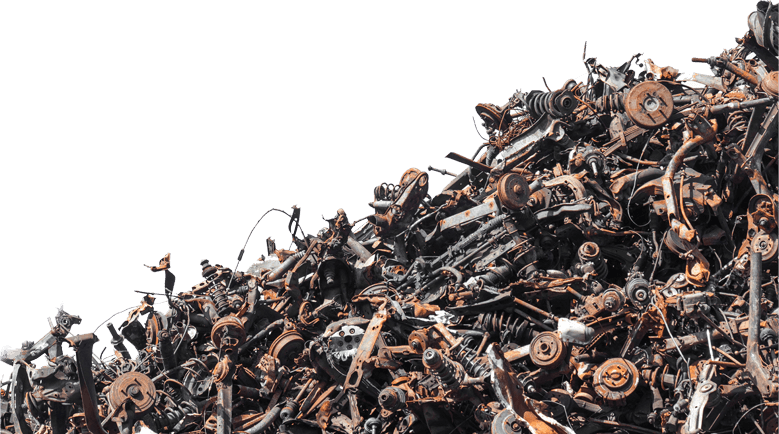
3 Important Facts About Selling Scrap Metal and Your Business

Did you know that you and your business can sell scrap metal and reap the benefits? Maybe you have a business of your own, or perhaps you work for or manage one. You could be employed by a large company, a mid-size, or a small one, and perhaps are interested in finding out how scrap metal recycling can benefit and work alongside your business. Regardless of the size of the business you own, run, or work for, you have the opportunity to integrate scrap metal recycling into the everyday operation of the workplace.

Sell scrap metal for scrap metal recycling

The Benefits of Selling Scrap Metal

Financial Benefits: The first, and perhaps the most appealing benefit of selling scrap metal is making some extra money. When you take excess scrap metal or any metal that may be lying around your workplace and sell it to Metal Men Recycling, we pay you for it. It’s as simple as that. In fact, our motto here at Metal Men is: If it’s metal, we want it! Take a look at our post on finding scrap metal around your business, and then read on to discover the industries that may have access to different types of scrap metal.

Environmental Benefits: You might be surprised to know that there are environmental benefits that come with selling scrap metal. When you sell scrap metal with Metal Men Recycling, we recycle it – it’s in our name after all! We all know that the act of recycling contributes positively to the environment, as opposed to other options like a landfill. You can learn about all of these environmental benefits by reading our guide about why scrap metal recycling is so important for climate change.

Workplace Benefits: Not only does scrap metal recycling benefit our world and the wider environment, but this practice can also benefit your workplace environment. Your workplace could be cluttered, untidy and potentially unsafe due to excess scrap metal that is lying around. In selling and thus recycling this metal, you can also clean up and help to ensure the safety of your working environment.

Industries that Can Benefit from Selling Scrap Metal

Appliance Industry: The appliance industry is rich in different types of metal. If you work in the appliance manufacturing or refurbishment industry, remember to keep an eye out for scrap metal around the appliances that you work with, and remember that there are ways to scrap old and disused appliances.

Automotive Industry: If you work in the automotive industry, you will find lots of opportunities to collect scrap metal for recycling. Maybe you’re in automotive manufacturing – in that case, you might be coming across defective pieces of machinery, or defective automotive parts that need to be disposed of in some way. How do you do this? Selling steel and aluminium for scrap metal is one easy, cost-effective and sustainable way to do this!

Heating and Air Conditioning Industry: In this industry, skilled workers deal with old heating and air conditioning units that may be disused or in disrepair. What happens to these old units? They can be sold for scrap metal! Heating and air conditioning units generally contain all sorts of metal – from aluminium to copper and steel. 

Construction Industry: If you work in construction, you probably know that there can be an abundance of opportunities for collecting and coming across scrap metal. One example is demolition. When homes and buildings are demolished, there is excess metal in the form of steel, copper and aluminium that needs to be disposed of. Is the answer landfill? No – the sustainable and cost-effective answer is selling the metal to be recycled!

How You Can Sell Scrap Metal

So, you’ve discovered that your business or industry can potentially benefit from selling scrap metal. Where to from here? When it comes to scrap metal, look no further than Metal Men Recycling! We are here to provide you with exceptional customer service and a seamless scrap metal selling experience.

With over 50 years of combined metal industry experience, we are proud to be leading scrap metal buyers in Melbourne, providing an easy way for you to sell scrap metal. Remember to familiarise yourself with the regulations of buying and selling scrap metal, and check out the scrap metal laws in Victoria.

Ready to Sell Scrap Metal?

If you’re a business with excess scrap metal, here at Metal Men Recycling, we will do everything we can to make selling it a smooth and easy process for you. We are able to provide your business with bins for your scrap metal and are able to deliver these bins to and pick them up from your business within a 24-hour time period, depending on your particular business needs.

To discuss scrap metal recycling options for your business, get in contact by calling 03 5941 6677, or filling out our online contact form, and we will happily take care of your enquiry!

4 Ways to Dispose of Old Appliances

Here at Metal Men Recycling, we know that you can sell scrap metal to make extra money and dispose of items that you may have lying around the house. As Melbourne metal recycling experts, we’re aware of all the benefits that come from selling scrap metal to be recycled by Metal Men, such as advantages for the environment, and for your hip pocket!

But what do you do when you have old appliances to get rid of?

These days, we can’t live without our fridges, televisions, or our washing machines, but when they wear out or give up altogether, you’re left with bulky items that you somehow have to get rid of. Make sure that you don’t fall into the trap of storing older, worn-out, or completely dead appliances in the garage to deal with “later” – they’ll just collect dust and take up valuable storage space. Instead, keep reading to discover what you can do with old, disused appliances – including the best way to make money from them!

An old stove, fridge and washing machine which can be sold as scrap metal

Sell Appliances for Scrap Metal

Our number one top-tip for disposing of appliances is to sell them for scrap metal. It might surprise you to find out that you can sell scrap metal from within your old appliances, but most appliances do contain a certain amount of metal. This metal can be sold for scrap and is recycled by us here at Metal Men, giving you an easy way to dispose of your old items, and a nice bonus for your wallet.

Selling old appliances for scrap metal has plenty of benefits, including the opportunity to get some extra cash, security that the items have been disposed of safely, as well as the rewarding fact that by selling for recycling you are helping the environment.

Note: Not all appliances are created equal when it comes to metal content, so it’s important to know that the best appliances to sell for scrap metal are often the biggest ones! Think: stoves and ovens, washing machines, dryers, and dishwashers.

Consider Company Take-Back Schemes

Another option for old appliances is company take-back schemes. Some companies like JB Hi-Fi and The Good Guys do offer appliance take-back programs, through which the company you bought the appliance from will remove said appliance from your home and dispose of it for you.

The catch is that many of the take-back schemes are only available to those purchasing a new appliance from a specific company, or for a fee, dependent on the size and weight of the old product and the distance to your address. These schemes are something that you can consider but remember that you could end up being out of pocket depending on where you bought the appliance originally.

Try Gumtree or Facebook Marketplace

The first question to ask yourself is this: does the appliance still work? If the answer is yes, then you can consider listing it on Gumtree or Facebook Marketplace. You can list your old, working appliance on buying and selling sites such as Gumtree or Facebook Marketplace, and sell it to someone who is in the market for second-hand goods. Of course, it all depends on how old the appliance is, and its working condition, but you could make a little extra cash from the transaction.

When listing appliances on sites such as these, it is critical that you are upfront and honest when it comes to the age, condition, and function of the appliance. The buyer must know exactly what they are getting with the appliance you sell them – including any scratches or dents, and the year you purchased the item.

Bonus Tip: Looking for an opportunity to do a good deed? If you’re listing your appliance on Gumtree or Facebook Marketplace, consider listing it for free! By doing this, you could be giving a helping hand to someone who really needs it and disposing of your appliance at the same time!

Council Disposal

Finally, you can also check with your local council to see if they have recycling or disposal programs for old appliances. Many councils run such programs, though it is important to confirm if your local council actually recycles appliances, or if they do send them to landfill. You can check out how your local council can help you to dispose of appliances by searching your locality on the Victorian government sustainability website.

Have Old Appliances? Decided to Sell Scrap Metal?  

Look no further than Metal Men Recycling. Whether you want to sell scrap metal in the form of old appliances, or sell other scrap metal like scrap cans or batteries, we are here for all your metal recycling needs.

With over 50 years of combined experience in the metal industry, our expertise and customer service are second to none. Give us a call on 03 5941 6677 or fill out our online contact form, and we will happily get back to you!

Why Scrap Metal Recycling is So Important for Climate Change?

Have you noticed that the Winters are colder, and the Summers are hotter lately? Perhaps you’re hearing about more natural disasters than you used to. As years continue to pass without significant climate action, the effects of climate change worsen. The consequences can be seen in increasingly devastating weather events and rising temperatures, and experts note that we only have a limited amount of time left to halt climate change. It’s now more important than ever that we do anything we can to mitigate the damage done by climate change so far, and one of the most powerful ways you can contribute is recycling. So why is metal recycling so important, and what are the benefits to the environment? At Metal Men Recycling, we buy your scrap metal so that it’s no longer cluttering your home or workplace and is recycled responsibly. Keep reading to learn how you can sell scrap metal and how that can have a positive effect on the future of our natural world.

Lowered Carbon Emissions

Here at Metal Men Recycling, when we buy scrap metal, we recycle it. That means that it can be repurposed and used to produce new materials, items, and products.

The process of using recycled materials in manufacturing uses less energy than if the process was started from scratch. This in turn leads to savings on greenhouse gas emissions that would have otherwise been created if the manufacturing process did not include recycled materials. Your scrap metal products could be repurposed and used to create something new, saving emissions and helping to create a better future.

Recycling and Implications for Mining

Mining and mining processes can have a hugely negative effect on the natural environment and can cause air pollution, water pollution, deforestation, and strain on natural resources. Selling scrap metal for recycling does, in fact, reduce the need for new metals to be extracted from natural sources through mining. Recycled metal can be repurposed and used for new purposes, thus fewer metals need to be mined. This overall decrease in mining activity, however large or small, is better for the environment and can help to mitigate the effects of climate change.

Creation of a Circular Economy

Recycling is one of the major components of a circular economy. A circular economy is a production model that seeks to use products and materials for as long as it is viable. This is done through a circular model of sharing, leasing, reusing, repairing, refurbishing, and recycling said products and materials. This contrasts with a linear economy, which is often characterised by a take, make, waste mentality.

The circular economy aims to create a “closed-loop” system – a circle – in which infrastructure, products and materials have a longer lifespan, thus having a positive effect on the environment. Recycling, including the recycling of scrap metal, contributes to this circular economy, and helps to combat climate change.

Scrap Metal Recycling and Landfill

A landfill is particularly dangerous for the environment. The items and rubbish that end up in landfill break down and release C02 into the atmosphere, also known as greenhouse gas emissions. These emissions radiate heat, contributing to the rise in temperatures.

Recycling scrap metal means that the metal from your home or business is used in the circular economy. This means that metal that could have otherwise ended up in landfill, is saved, recycled, and used elsewhere. With more products recycled, and less rubbish in landfill, there is the potential for fewer emissions to be produced and released into the atmosphere.

Looking to Sell Scrap Metal in Melbourne?

The home can be a great place to start if you’re looking to make some money from scrap metal. Your home can be a hiding place for all kinds of scrap metal that you can turn into extra money – just from items you already have lying around. In case you’re not sure where to start, check out our beginner’s guide to identifying scrap metal that you can sell, or this list of unexpected places to find scrap iron around the house.

Ready to sell? That’s where Metal Men Recycling steps in – we’re here to take care of all your metal buying and recycling needs. As a family-owned business with over 50 years of combined metal industry experience, we provide a complete and seamless experience from start to finish. From aluminium to copper, stainless steel to brass, if it’s metal, we’ll buy it and recycle it!

So, when you decide to sell scrap metal, make sure it’s with Metal Men Recycling, and with our help, you can contribute positively to the environment. Give us a call on 03 5941 6677 or fill out our online contact form, and we will get back to you.

Vanadium, Australia’s New Battery Technology

Battery technology is becoming more and more important as Australia and the rest of the world transition to renewable energy. Most people associate batteries with the small household items used to power electronic devices, but as renewable technology continues to improve, there is demand for larger and larger batteries with integration into electricity grids. Increasing developments in the sector have made the technology more efficient and feasible as an industrial-grade energy storage device. One of the current issues with batteries is their deterioration over time and the need for recycling. At Metal Men Recycling, we have people sell old batteries to us so we can make sure they are recycled properly, as batteries are not suitable for disposal in a regular household recycling bin due to the chemicals and metals used for production.

But new technology aims to improve the lifespan and recycling capacity of the world’s industrial-grade batteries, and it has all started here in Australia. Whilst lithium-ion batteries are currently the market leader in renewable battery technology, commonly associated with Tesla products, electric vehicles, and large-scale battery installations for solar power; an alternate battery solution is being developed that aims to be a competitor for large-scale installation. Vanadium Batteries.

What is Vanadium?

Vanadium is not a common household name, but maybe in twenty years when you come to Metal Men to sell old batteries, we’ll be taking some of these. Sitting at #23 on the periodic table with the symbol ‘V’, whilst some isolated deposits can be found, the metal is commonly found naturally in 65 minerals and fossil fuels. The largest players in the Vanadium market are China, Russia, and South Africa, as the metal is currently used for making steel alloys. Whilst there are not currently Vanadium mines operating in Australia, deposits have been located and are awaiting approval processes.

Vanadium Redox Batteries.

Maria Skyllas-Kazacos discovered the first demonstration of a rechargeable Vanadium redox Flow Battery in the 1980s using a solution of sulphuric acid. She currently holds over 30 patents to the technology with the University of New South Wales. Kazacos has stated that technology has recently seen more interest as the renewables sector is starting to ‘acknowledge that you needed to store energy, the grid isn’t so good at stabilising all these renewable energies…. you really need a long duration. And that’s why flow batteries have been attracting a lot of attention.”

Renewable technology has a fluctuating supply throughout the day, as the sun shines, cloud cover, and wind speed, all affect the input of electricity into the grid. This means that a large amount of electricity will enter the grid and once, but none will be generated at other times of the day. The times of generation often do not match demand. A stable battery storage solution aims to solve this issue, which is where a vanadium flow battery excels. The benefits of the battery are their incredible stability, with the ability to be discharged and recharged up to 20,000 times and lose little performance, unlike that of a lithium-ion battery, which loses immense capacity after a tenth of the recharges.

Benefits of Vanadium Batteries

It’s much easier to adapt vanadium batteries to large-scale applications, as the electrolyte fluid that transfers charges inside the battery can be scaled accordingly. However, current vanadium battery storage is large scale only and not as compact as lithium-ion capabilities. Most current Vanadium batteries have a 25+ year lifespan at full capacity, in comparison to the 5–10-year lithium-ion battery lifespan (with capacity degrading over time.) The electrolyte solution doesn’t degrade over time and can be re-used when the actual battery hardware needs upgrading. So, in theory, a vanadium battery can operate forever, at full capacity, and no new vanadium needs to be mined during the recycling process. The other big advantage is the safety and lack of flammability or explosivity of the battery. Whilst lithium-ion fires are causing problems for the electric vehicle and battery industry, vanadium batteries should not catch fire given they are water-based.

Disadvantages of Vanadium Batteries.

However, there are currently a few issues the vanadium battery industry must tackle to compete with Lithium-Ion in some respects. Vanadium batteries are heavier and have a lower energy-volume ratio when compared to other types of batteries, which is why they are currently only being used for large-scale, stationary installations. This is due to the high weight of the electrolyte solution. Vanadium oxides can be toxic at high exposure levels as well.

So, whilst this market is emerging, only time will tell if you will be visiting metal men recycling to sell old battery parts from recycled vanadium batteries in the future.

Sell Old Batteries for Recycling

If you’re looking to sell old batteries or scrap metal in Melbourne, the scrap metal buyers at Metal Men Recycling offer a professional service and the best prices. We offer a streamlined battery and scrap metal recycling clean-up and collection, with our 24-hour pick-up service.

Whether you’re looking to sell old batteries or scrap metal, give us a call on 03 5941 6677 or fill out our online contact form

How To Sell Scrap Metal From Old Cars?

If you have a vehicle that’s too old for repair and unnecessarily taking up space rusting in your driveway, it may be time to sell it to scrap metal buyers like Metal Men Recycling. Not only will this allow the materials to be reused for new purposes, reducing landfills, but it earns you money while removing an unwanted, bulky vehicle.

Preparation is key

Before your used vehicle can be collected for metal recycling, it is important to strip the interiors and clean the car thoroughly. This includes removing any items stored within the car and removing the upholstery and seating for resale or deconstructing further for recyclable parts. Determining which components of the vehicle are still operational can also be helpful. For instance, if your stereo system still functions, you might consider selling this part elsewhere to allow it to be reused.

If you’re considering selling an older vehicle for scrap, it stands to reason that you’ve probably had a mechanic investigate the costs of repairs. For further recycling benefits, consider exploring if the car’s brakes, spark plugs, lights or other functional components can be stripped and used for other car repairs with your mechanic.

Ensure the car’s chemicals and battery are handled safely

Vehicles like cars and trucks contain many hazardous substances and components that need to be handled with care. From the residual fuel remaining in the tank and pipes to the chemicals in the car battery, stripping a vehicle for components requires trained professionals. Check with your scrap dealer if their services include draining the car’s fluids including petrol, oil, brake fluid and coolant. If your metal recycler doesn’t offer this service, you will need to organise draining the car of brake fluid, petrol and oil with a mechanic or do it yourself.

The car’s used lead battery also contains valuable substances that can be reclaimed and repurposed. It is important to ensure you handle the lead-acid battery safely to reduce the dangers of used batteries. This includes lifting with care and not damaging the outer seal that protects your skin from the harmful chemicals within the battery. Lead-acid batteries should only be recycled by licensed professionals. Trained metal recyclers will safely strip the lead and plastic from the scrap battery according to manufacturer instructions and send the collected, recyclable materials to manufacturers to create new car batteries.

Selling the scrap metal of an old vehicle is easy with Metal Men Recycling
Selling your old vehicle to a metal recycler like Metal Men Recycling has extensive benefits to the environment, community, and your pocket! Environmentally, it is more economical to recycle the scrap metal, to be melted and reused for other metal needs. This helps the environment by reducing the need for mining, transporting, and treating raw materials, releasing less harmful carbon emissions into the atmosphere. Selling vehicles that have become a bulky eyesore also avoid the dangers and costs of abandoned cars, which can release harmful substances into the environment over time and costs the local council money that could be better spent improving your suburb.  

For older vehicles and bulky scrap, Metal Men Recycling can arrange to pick up the metal to be recycled. Our team has the equipment needed to collect your scrap metal, no matter the size, and will pay you on the spot for your metal.

For all other metal recycling needs, our team also offer a 24-hour turnaround time with free collection bins for your scrap metal. Our dedicated team can deliver these bins and pick them up from your home or business at your convenience.

Looking to sell your scrap metal?

If you’re looking to sell scrap metal like an older vehicle in Melbourne, the scrap metal buyers at Metal Men Recycling offer a professional service and the best prices. With over 50 years of metal recycling experience, Metal Men Recycling provides streamlined scrap metal recycling clean-up and collection. We take all the hard work of sorting and transporting out of the process with our 24-hour pick-up service to benefit your business and the environment.

Whether you’re looking to sell scrap metal or would just like to learn more about our business to business metal recycling process, give us a call on 03 5941 6677 or fill out our online contact form.

An Introduction to Business Waste Audits in 3 Simple Steps

Examining your business’s waste can save the environment and save you money, particularly if you also happen to sell scrap metal. A waste audit is a simple way for businesses to identify what the company is throwing away and support the Australian recycling industry. The findings of a waste audit will determine how your business’s waste can be reduced or recycled for additional revenue. To begin working on a better economic and environmental outcome for your business, here’s how to implement a waste audit in three simple steps.  

1. Gather equipment and participants

The first step of conducting a waste audit is to gather the necessary tools and a representative to conduct the audit. For larger office buildings, a waste audit person from each office area can help determine if specific bins are needed for different locations or which spaces require more regular bin emptying. Confirm that all representatives are free to observe the waste gathered in their space to help the business succeed

For the day of the waste audit, you will also need these tools: 

  • Gloves for each volunteer
  • A protective apron for each volunteer
  • Durable tongs for picking up waste
  • A washable tarp and open space 
  • Boxes for sorting waste into categories
  • A scale for weighing each category
  • A document or clipboard for noting findings
  • Additional bins or garbage bags
  • A washing station 

2. Sort the trash into categories

At the end of the week or determined period, gather all the recyclables and garbage that have been collected in the bins from all departments. Each bag of trash will be opened and sorted into categories. Additionally, if you’re recording department-specific data, you might like to sort the waste from each department one at a time.  

Sort the gathered waste into the following categories: 

  • Liquid waste — detergent liquids and polluted water
  • Organic waste — food waste and garden waste
  • Hazardous waste — chemicals and harmful substances
  • Recyclables — paper, cardboard, plastics, electronics (e-waste), scrap metal 
  • Rubbish — items outside of these categories that can’t be recycled 

Once the waste has been sorted into each category and weighed, you should document the findings. This will quantify the necessary bins for each department and if there is any waste being disposed of incorrectly. You may determine that many items that would have previously ended up in landfills, such as e-waste, could instead be sold as scrap metal and recycled to benefit the environment.  

3. Analyse the data

After conducting this waste audit, you may discover that a lot of the waste could have been recycled, particularly if it has metal components. It can also help confirm that your workplace is collecting hazardous waste like chemicals and flammable substances safely and thoughtfully. This data can help you determine which bins are used more often in each department and what recyclable, compostable and biodegradable materials are being incorrectly disposed of by your workers.  

This waste audit can save your business money long-term by implementing better waste management solutions like posters outlining what can be recycled or a designated bin for any scrap metal or e-waste. Depending on the industry, scrap metal that could be sold includes: 

  • Electronics such as old computers and printers
  • Electrical cables
  • Batteries
  • Metal tins and aluminium cans
  • Warehouse steel racking
  • Mounting brackets
  • Metal cubicle partitions
  • Steel chair frames
  • Filing cabinets


By quantifying and finding scrap metal around your business, from smaller batteries to bulky furniture items, you can begin the process of having a regular metal recycling service come to you.  

Are you looking to sell scrap metal in Melbourne?

Metal Men Recycling makes it easy to sell scrap metal. We take all the hard work of sorting and transporting out of the process with our streamlined 24-hour pick up service. We accept all types of scrap metal benefiting your business and the environment.

Whether you’re looking to sell scrap metal or would just like to learn more about our business-to-business metal recycling process, give us a call on 03 5941 6677 or fill out our online contact form today.

DIY Easter crafts to do with the kids!

Easter is right around the corner. That’s why in today’s blog, we are showing you some of our favourite DIYs you can make with your kids! If you’re looking for a way to entertain your kids during the upcoming holiday then these five “egg-cellent” crafts will make for an afternoon of fun.

7 Easter Crafts for Kids - I See Me! Blog
Family Fun at Home!

#1 Paper Plate Easter Chick

This craft is fun and a hit with the younger kids! All you’ll need is a paper plate, yellow paint, orange paper, googly eyes, 2 pipe cleaners, glue, a paint brush and scissors. First, paint your paper plate and leave to dry. Once it’s dry add your chicks eyes and glue the pipe cleaners on as legs. Cut out a diamond in the orange paper and fold it in half to make the beak. Finally, stick the beak onto the plate and enjoy your super cute Paper Plate Easter Chick!

#2 Easter Egg Potato Stamp

This is a great quick and easy craft great for decorating cards! You will need a potato, knife, paint and your card/paper. An adult can use the knife to cut the potato in half and cut out some lines to create a cute design. Then dip the potato in paint and stamp the potato against the paper. Enjoy your super cute stamps!

#3 Fingerprint Chicks

What you need; stamp ink pads in desired colours, paper, pen and fingers (you may also want to keep some wipes handy!) First, carefully press your finger into the ink pad. Then press your finger onto the paper. Now using your pen use simple lines and curves to add your eyes and beak. A good idea is to put a V in the middle of the fingerprint for the beak and add two dots on either side for the eyes. Then add a U at a 90-degree angle on either side for the wings and two sticks at the bottom for the legs. Now enjoy your cute little chicks!

#4 Easter Egg Doilies

For this beautiful Easter craft you will need textas, a cup of water, a paint brush, paper, craft glue and a doily. Start by tracing out an egg shape on your paper and get your child to cut it out. Then get them to colour the doily however they want, being careful not to rip it. Then place the doily over the egg cut out, getting your paint brush and dipping it into the water so that the markers run into the paper creating a beautiful watercolour decoration.

#5 Mini Popsicle Stick Chicks

This is a fun and creative craft perfect for all ages. You will need 5 popsicle sticks, orange and yellow paper, cardboard, scissors, glue, googly eyes and yellow paint. Cut your orange paper into legs and a beak and your orange paper into wings. Tart by gluing the 5 mini popsicle sticks onto a piece of cardboard. After it dries, have the children paint it yellow. Once the paint has dried glue on the eyes, beak, wings and legs! Now enjoy your little popsicle chicks!

#6 Paper Carrots

For this quick and fun Easter craft you will need a paper shredder, orange paint, orange and green paper, 3 icy pole sticks, glue and scissors. Glue two of your icy pole sticks together making a “V” then cut one in half and glue it on the top connecting the ends of the “V” creating a carrot shape. Paint your carrot shaped icy pole sticks orange and leave them to dry. Then glue your icy pole sticks onto some orange paper and cut off any excess. Then cut out a carrot top in green paper and glue it onto the carrot. Finally, take the rest of your green paper and put it through the shredder, gluing it onto the tops of the carrots creating a fun 3D shaped carrot!

#7 Tin Foil Easter Egg Art

For this simple and easy craft you will need cardboard, scissors, tin foil and sharpies. Cut out an egg shape from your cardboard then cover your cardboard egg in the foil. Then use your sharpies with the lid still on and decorate your egg. Finally, remove the tin foil and use your sharpies to traces the idents made by the sharpies lid. Enjoy your tin foil Easter egg!

FUN METAL FACT:

Did you know that the Eiffel Tower is about six inches taller in the summer than in the winter because steel expands when heated?

Written by Ali Godden

Copyright

The Cups We Keep

It’s no secret that as Australians, most of us have a coffee addiction. And in Melbourne itself, it’s become a serious culture that many take very seriously. But what some people might not know is that this culture is having an adverse effect on the environment. The primary cause of this? Takeaway coffee. More specifically though, the cups that we drink them in. It is estimated that Australians consume around one billion hot takeaway drinks per year – translating into a billion paper cups per year.

Just like metal recycling in Pakenham is saving having a positive effect on the environment, so too should recycling paper takeaway cups. The reality is, however, even if takeaway cups are recyclable, they’re rarely disposed of in the appropriate way. Enter keep cups and reusable cups that are becoming a trend. In today’s blog, we’re going to be going into the positive effects that reusable cups are having on the environment and some of the other benefits they bring to the table.

WHAT EXACTLY IS A REUSABLE CUP?

Well, as the name suggests, it is a portable cup that you can take with you wherever you go and have café’s make your coffee in. There are a wide variety of different brands with their own styles, benefits and materials that you can purchase. They all usually have three sizes for coffee cups: 8oz, 12oz and 16oz – which is essentially your small, regular and large takeaway sizes. Part of their appeal is their trendy style and customizable features and colours.

But the biggest pro that comes out of owning and using one of these items is the positive effect that they have on the environment. Using these reusable cups mitigates the number of paper takeaway cups being sold. Some cafés even offer discounts for people who bring their own cups, offering a bonus incentive to purchase one.

WHY AREN’T TAKEAWAY COFFEE CUPS RECYCLABLE?

It boils down to the lining. The majority of takeaway paper cups are actually lined with polyethylene – which is a water-proof plastic – making them not so environmentally friendly after all. Because of the polyethylene lining, these cups release methane gas once they’re in the landfill – which is where they end up since they can’t be recycled.

A lot of people are unaware of this and simply assume they’re recyclable because they’re paper, which can be a problem once they end up at recycling plants for a small amount of time before being taken to a landfill. The unfortunate truth is if you’re trying to do the noble thing and recycle your takeaway coffee cup, you’re doing more harm than good.

WHAT ARE SOME OF THE BENEFITS OF HAVING A REUSABLE CUP?

Other than the serious mitigation when it comes to the reduction of takeaway paper cups that we utilise, using a reusable cup can have benefits on your own personal health as well. A great thing about the companies that make these cups is the fact that they’re all highly sustainable and eco-friendly. Almost all of them are BPA and chemical free. This is an instant improvement compared to takeaway coffee cups as the polyethylene lining in them is classed as a contaminant.

Some of them are even made entirely of recyclable materials, whilst others can be recycled ethically and safely if the time comes to get rid of them. Some of the materials used are stainless steel, glass and even specially designed BPA and chemical free plastics. On top of all these positive health and environmental impacts, they’re practically useful for someone who’s constantly on the move or even just for grabbing a coffee from your local store when in the office.

ARE THERE ANY ALTERNATIVES?

Purchasing a reusable cup is the best solution to this problem at the moment, but there are other ways. Some café’s offer bio-degradable takeaway cups which are compostable which is a great alternative, but not all café’s do this. Having your coffee in is an easy solution but impractical if you don’t have the time to sit in. At the end of the day, if you have a coffee to go and are given a standard paper cup, do the responsible thing – recycle the lid and throw the cup itself in the trash.

INTERESTED IN RECYCLING METAL IN PAKENHAM?

Just like being aware of the impact that paper takeaway cups have on the environment, metal recycling in Pakenham can have a big effect too. If you have any spare metal that needs recycling in Pakenham then Metal Men Recycling is the perfect company for you. We offer a variety of services to make sure you’re efficiently recycling metal in Pakenham.

For more information about recycling metal in Pakenham, please give us a call on 03 5941 6677 or contact us through our website.

9 Fun Recycled Crafts To Make With Your Kids This Easter

Easter is right around the corner! Unfortunately, as with any national or religious holiday, the festivities often lead to a lot of waste dumping. With Easter in particular, there is no shortage of plastic wrappers, packaging and toys that get thrown away wastefully – not to mention the food! As experienced scrap metal buyers in Melbourne, we are dedicated to promoting a clean and safe natural environment for everyone. That’s why in today’s blog, we are showing you some of our favourite ways you can cut down on waste creatively this Easter with some DIY recycled crafts.  

#1: PRETTY PAPER WREATH 

This craft is super quick and easy to make. All you’ll need is a paper plate, some sheets of paper, scissors glue, a ribbon and a template for an Easter egg. After you cut out the inner portion of the paper plate, you can use the egg template to cut out evenly shaped Easter eggs from the paper. Glue the eggs to the plate and hang your wreath using the ribbon.  

#2: EASTER BUNNY CRAYONS 

Got loads of broken crayons lying around the house? Don’t throw them out! Using heat-safe silicon moulds, you can create new and improved multicoloured crayons from the scraps. In fact, why not get creative with the Easter theme and put the crayons in Easter egg or bunny-shaped moulds? 

#3: POTATO STAMPS 

Before you throw out those potatoes that are just starting to go bad, cut them in half and carve some patterns into them. You now have Easter egg-shaped stamps! Use them with colourful paint to decorate cards, wrapping paper or simply to let your imagination run wild.  

#4: EASTER LOLLY JARS 

Easter time is always a favourite with the kids, especially considering all the delicious lollies and chocolates they get to hoard! This DIY makes the chocolate hoarding easier, neater and cuter. All you’ll need is a jar, some glitter and glue, and a handful of extra decorations to turn the plain jar into an adorable, sparkly bunny or chicken.  

#5: HEAT PACK SOCK BUNNIES 

Reuse some old socks (washed, of course!) and turn them into bunnies with this cute DIY. While you can just use this idea to create a cuddly new friend, you could get extra creative and turn your bunny into a reusable microwaveable heatpack – perfect for the chilly autumn weather! Just make sure to only use microwave-safe decorations.  

#6: EASTER BUNNY VASE 

This is another clever way to reuse any empty jars you have lying around the house. With a quick paint job and a cute face painted on, this jar comes to life as a vase! You don’t just have to use these for Easter, either – these rustic vases make a cute addition to any farmhouse or country-themed setting.  

#7: FINGER PUPPETS 

This is a great way to reuse an old, unwearable flannel or unusable towels. You can cut your finger puppets out of old material into any shape you like, which makes this craft good for any occasion (or simply just for fun!). Cut out your finger puppet into the shape of the Easter bunny or perhaps your kids’ favourite cartoon character and sew the pieces together. Draw or sew on the faces for the finishing touch! 

#8: CHICKEN PLANTERS 

Transform your small old pots into lively little chickens with this great idea. This is just as good for Easter as it is for the spring season – especially if you plan to plant some flowers to brighten up your garden.  

#9: GRASS AND HERB EGG PLANTERS 

Boiled eggs are an Easter classic. But before you throw away your eggshells after eating them, stop and save the ones with the shell mostly intact (no more than the top third should be open). Rinse and clean out the empty eggshells. Fill them with soil, and you’ve got a great starting planter for some grass or herb seedlings. Herbs in particular are great because you can use them in the kitchen once they have grown.  

After you notice your herbs have begun to sprout, you can move them to a larger pot. When relocating, move the entire herb seedling (including the eggshell) for an easy and effective transition.  

SCRAP METAL BUYERS IN MELBOURNE 

If you have scrap metal lying around, the best way to get rid of it is to contact our professional scrap metal buyers in Melbourne. 

Metal Men Recycling offers scrap metal pickup for both residential and commercial needs. Our scrap metal buyers in Melbourne will pay you at competitive rates for your scrap metal, whether it is ferrous or non-ferrous. We also offer free bins for you to place and fill onsite, with 24/7 pickup services.  

To get in touch with our scrap metal buyers in Melbourne, give us a call today on 03 5941 6677 today.

What To Do With Old Whitegoods

Whitegoods are defined as large electrical appliances that are used for routine activities. This can include anything from washing machines to fridges and freezers. Not to be confused with smaller appliances, one of the main features of whitegood appliances is the fact that they are large and difficult to transport. But once these appliances have breathed their last breath, what exactly should you do with them? If you’ve never considered it before, it’s never too late to sell scrap metal, and whitegood appliances are just as good for recycling than any other form of scrap metal.

WHY RECYCLE WHITEGOODS?

It’s simple really. Whitegoods generally contain a large amount of scrap metal, as well as other materials such as plastics, insulation, refrigerants plus more non-renewable materials. It’s always a better option to recycle these sorts of things as less energy is used during the recycling process than there is producing fresh ones. According to the Department of Environment in 2014, the refrigerants recovery rate was more than 80% for recycled air conditioners, but only 30 – 40% were recovered from refrigerators.

WHAT ARE THE BENEFITS?

As stated earlier, it costs less time, money and energy to recycle the materials in whitegoods than it does to produce new ones. This in itself is a massive benefit as greenhouse gases and carbon emissions are drastically reduced. Another benefit is the lack of littering and waste. As a lot of whitegoods end up in dumps because they’re not properly disposed of, this can lead to ground contamination from the heavy metals or refrigerants.

HOW ARE THEY RECYCLED?

After they’re cleared of refrigerants and other hazardous chemicals and heavy metals, they’re generally crushed down and shredded. The different materials are then collected and repurposed appropriately. Another way they may be recycled is if the entire units themselves are repurposed. They could still be working fine but simply need a new door or button, in which case they can be repaired and sold as second-hand items.

Before you think of recycling a whitegood appliance, make sure you consult a professional to make sure it is handled in the correct manner. This applies more-so if you’re thinking of repurposing them at home or selling them to a second-hand store as opposed recycling with metal collection experts.

SOME INTERESTING WAYS TO RE-USE THEM AT HOME

Because of their large profile, you might not want to recycle them in a traditional sense. Instead, you can just turn it into another part of your home. They can be made into almost anything with a bit of imagination. They can be used as simple storage units. Or, you can place a whitegood appliance outside and start growing plants out of them, making them a permanent part of your garden.

Throwing a sheet over it and using it as a base or desk is a useful idea as their solid exteriors can offer sturdy support. These and any other ideas you may come up with should only be initiated once the whitegood appliance has had any of its chemicals, heavy metals or refrigerants removed to ensure a safe and fun project. When you put your mind to it you can definitely come up with some creative, fun and practical applications for your old whitegoods.

CFC’S AND HFC’S

CFC’s – or Chlorofluorocarbons – are chemicals that are typically used as refrigerants as well as in aerosol cans and blowing agents. They contain atoms of carbine, fluorine and chlorine. In 1994 it was found that these chemicals as refrigerants were hazardous to the ozone layer and they were replaced with HFC’s – which stands for hydrofluorocarbons – which are slightly less damaging to the ozone layer but are still fairly toxic.

That being said, it turns out HFC’s are still very harmful to the ozone layer and are trapping a thousand times more heat than other greenhouse gases. Australia is aiming to reduce the use of HFC’s by 85% by the year 2036 as per their commitment to ratify the Kigali Amendment to the Montreal Protocol.

LOOKING TO SELL SCRAP METAL?

If you’re looking to get rid of your old whitegood appliances, then why not do it in a safe and profitable way. Metal Men Recycling lets you sell scrap metal in an easy and stress-free way. We offer a variety of services for business’and residential homes as well as a free pick up service.

If you would like to sell scrap metal or know more about recycling whitegoods then please give us a call on 03 5941 6677 or message us through our website here.