Sell Car Parts for Scrap: A Complete Guide to Scrap Metal Recycling

Selling car parts for scrap is not only a practical way to declutter your garage but also a smart way to make extra cash while supporting sustainability and the circular economy. Many car owners overlook the value hidden in their old vehicles, from steel and aluminium panels to catalytic converters and batteries, all of which can be recycled responsibly. By choosing to sell scrap metal instead of sending these components to landfill, you’re contributing to a circular economy and helping reduce environmental impact.

Whether you have a single worn-out car part or an entire vehicle ready for disposal, scrap metal recyclers in Melbourne make the process simple and convenient. They assess the metal content, offer competitive prices, and often provide collection services, saving you time and effort. Understanding which parts are most valuable and how to prepare them can maximise your return, making selling car parts for scrap a win-win for both your wallet and the planet.
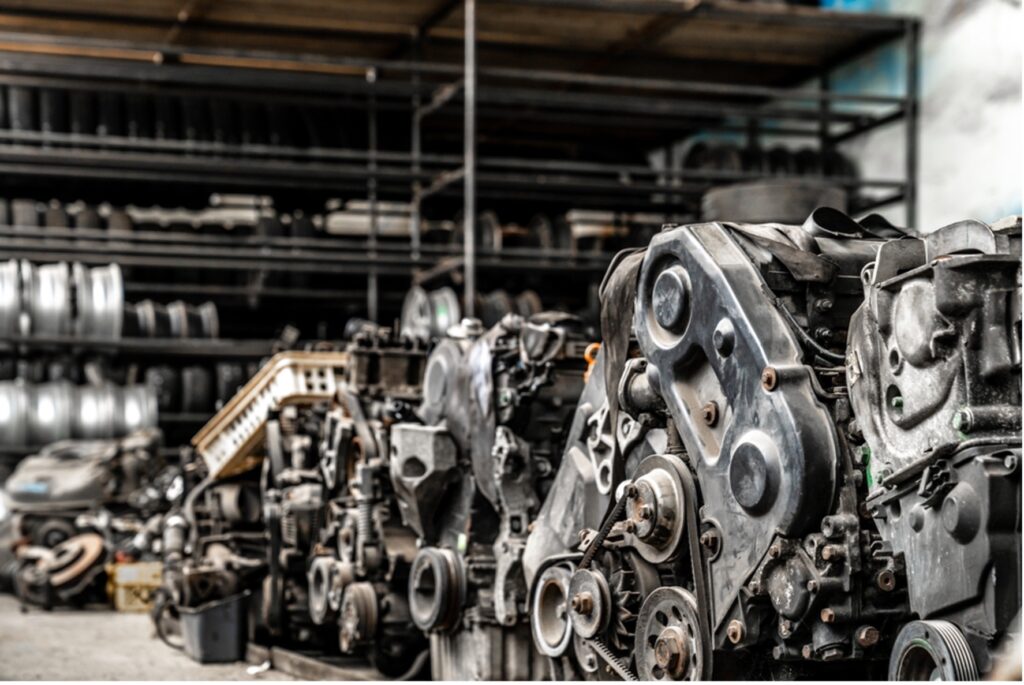
sell scrap metal

Why Sell Car Parts for Scrap?

Selling car parts for scrap offers a combination of financial and environmental benefits that make it an attractive option for car owners. On a practical level, unwanted vehicles and spare parts often occupy valuable space in garages or sheds. By converting these idle components into cash, you not only free up space but also recover value from items that would otherwise go to waste.

From an environmental perspective, recycling car parts reduces the need for raw metal extraction, conserves energy, and lowers greenhouse gas emissions. Metals like steel, aluminium, and copper can be reprocessed multiple times without losing quality, making them highly sustainable resources. Catalytic converters, car batteries, and radiators are especially valuable due to the precious or reusable metals they contain.

Additionally, selling car parts for scrap supports our circular economy. Each item recycled contributes to a system where materials are reused rather than discarded, creating a positive impact on local communities and the environment. Whether you’re motivated by extra income or eco-consciousness, recycling car parts through a licensed scrap metal recycler is a responsible and rewarding choice.

Common Car Parts to Sell for Scrap

When it comes to selling car parts for scrap in Melbourne, knowing which components hold the most value can significantly boost your returns. Not all car parts are equal, and some contain metals that are highly sought after by recyclers.

Catalytic converters are among the most lucrative parts to sell. They contain precious metals such as platinum, palladium, and rhodium, which are in high demand for industrial and automotive applications. Even small converters can fetch a considerable price due to these valuable metals.

Car batteries are another popular item. These contain lead and acid, both of which can be safely recycled and reused. Aluminium wheels and rims are also highly desirable, as aluminium is lightweight, durable, and easily reprocessed.

Other components such as radiators, engine blocks, and copper wiring also hold significant scrap value. Radiators often contain copper and aluminium, while engine blocks are typically made from steel or cast iron. Even smaller items, like door panels or bumpers, can contribute to your total scrap value if made from recyclable metals.

Before selling, it’s worth identifying which parts are worth separating and preparing. Doing so ensures recyclers can process them efficiently and that you receive the maximum possible payment. By understanding which car parts are in demand, you can make informed decisions and turn your old vehicle into cash while supporting Melbourne’s recycling initiatives.
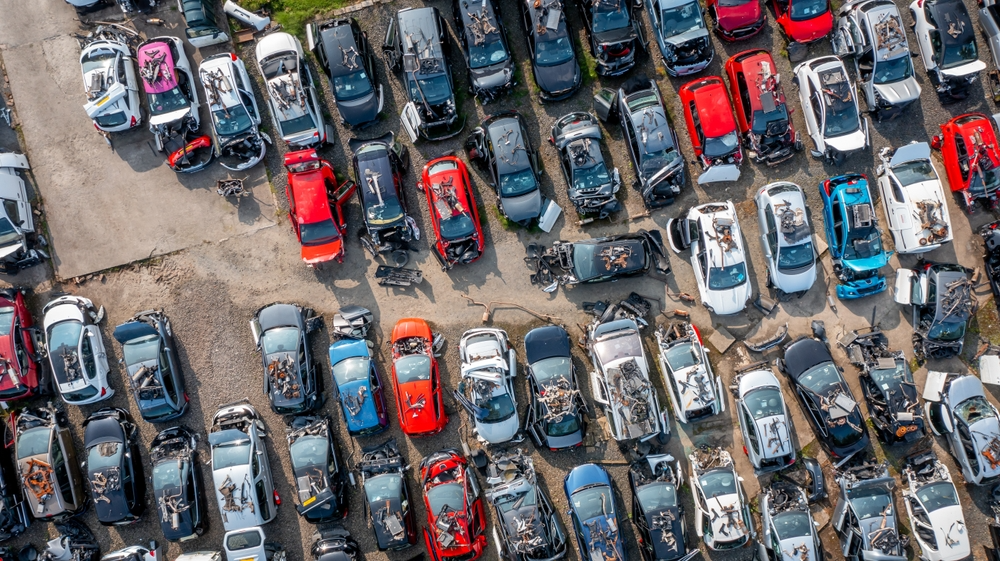
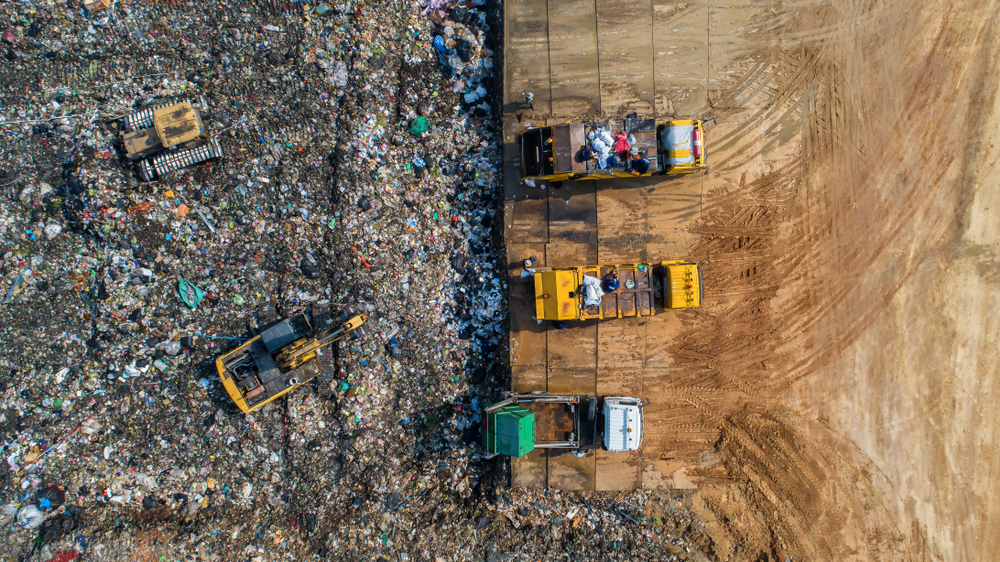
cars in scrapyard

How to Prepare Car Parts for Scrap

Proper preparation of car parts is key to maximising the value you receive when you sell car parts for scrap. Melbourne scrap metal recyclers prefer items that are safe, clean, and ready for processing, so taking a few careful steps can make a big difference.

Start by separating metals from non-metal components. Steel, aluminium, and copper should be grouped together, as recyclers often price items based on metal type. Removing plastics, rubber, and glass not only improves safety but also ensures a higher payout for the scrap metal.

Next, drain and safely dispose of fluids such as engine oil, coolant, and brake fluid. These liquids are hazardous and cannot be accepted by recyclers without proper handling. Batteries require special attention, as they contain acid and lead. Many scrap metal facilities in Melbourne offer guidance or collection services to handle these safely.

Finally, clean and organise the parts for easy transport. Even a light wash and careful stacking can make your items easier for recyclers to assess and process. For larger items or full vehicles, many scrap metal recyclers provide collection services, removing the need for transport altogether.

Finding the Right Scrap Metal Recycler in Melbourne

Choosing a reputable scrap metal recycler is essential to ensure you get the best value when you sell car parts for scrap. Not all facilities operate to the same standards, so selecting a licensed and experienced recycler in Melbourne guarantees both fair pricing and responsible recycling practices.

Start by verifying licensing and compliance. A legitimate recycler will adhere to environmental regulations and safe handling practices for hazardous materials such as car batteries, fluids, and catalytic converters. This ensures your scrap is processed legally and sustainably.

Compare scrap metal prices between recyclers. Prices vary depending on the type of metal and current market rates, so contacting multiple facilities can help you get the most profitable deal. Reputable recyclers will transparently assess each part and provide clear quotations.
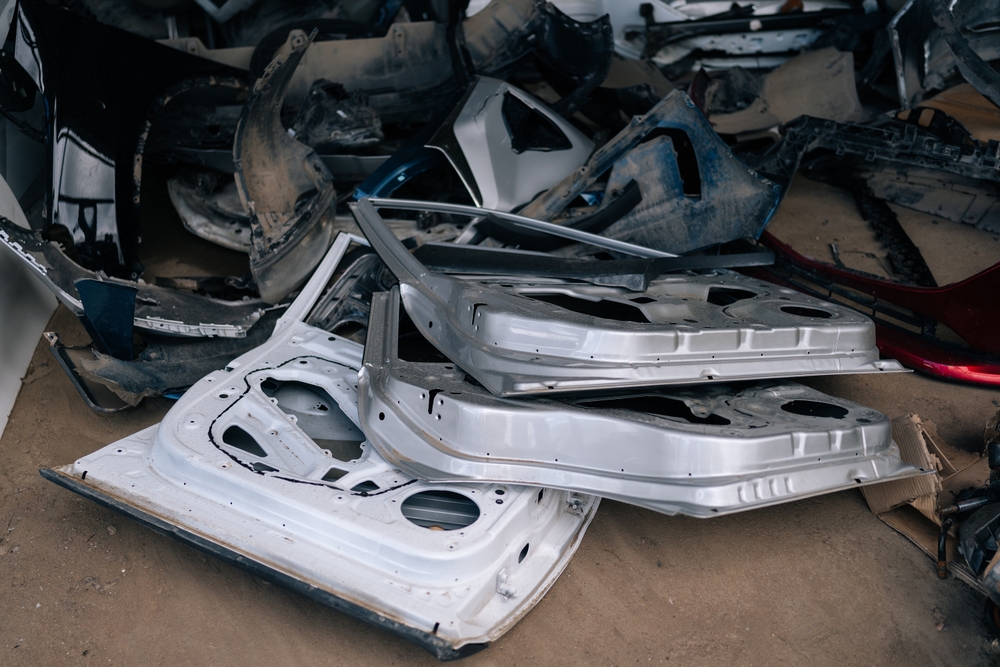
sell car parts for scrap

Understanding Scrap Metal Prices

Knowing how scrap metal prices are calculated is crucial for anyone looking to sell car parts for scrap in Melbourne. The value of each item depends on several factors, including the type of metal, its weight, condition, and current market demand.

Metal type is the primary driver of price. Precious metals, such as platinum, palladium, and rhodium found in catalytic converters, command higher rates than common metals like steel or aluminium. Car batteries and copper wiring also hold significant value due to the materials they contain.

Weight and condition matter. Recyclers pay more for clean, intact parts that are easy to process. Rusted or damaged items may still be accepted but often fetch a lower price. Separating metals and preparing parts properly can therefore maximise returns.

Market fluctuations also affect pricing. Scrap metal prices in Australia can change daily depending on global demand, export rates, and local supply. It’s worth checking current prices before selling to ensure you receive a fair deal.

Finally, selling high-value parts separately can increase your total payout. By understanding these pricing factors and working with a reputable Melbourne recycler, you can confidently turn your old car parts into cash while supporting environmentally responsible metal recycling.

Legal and Environmental Considerations

When selling car parts for scrap in Melbourne, it’s important to be aware of legal and environmental responsibilities. Licensed scrap metal recyclers operate under strict regulations to ensure safe disposal of hazardous materials, including car batteries, fluids, and catalytic converters. Working with a licensed facility not only protects you from potential fines but also guarantees that metals are recycled responsibly.

Environmental considerations are equally important. Recycling car parts reduces landfill waste, conserves natural resources, and lowers greenhouse gas emissions associated with metal production. Metals such as steel, aluminium, and copper can be reused multiple times without losing quality, making them highly sustainable.

Looking to Sell Scrap Metal?

Selling car parts for scrap is a practical, eco-friendly way to earn extra cash while supporting the environment and Metal Men Recycling can help. By preparing parts properly and choosing a licensed recycler, you can maximise returns and responsibly dispose of metals. Start today to sell scrap metal and make a positive impact.

Contact Metal Men Recycling at 03 5941 6677 or fill in our online contact form and we will get back to you.

FAQ: Selling Car Parts for Scrap in Melbourne

What car parts are most valuable to sell for scrap?

Catalytic converters, car batteries, aluminium wheels, radiators, and copper wiring are among the most profitable parts due to the precious or reusable metals they contain.

Can I sell a whole car to a scrap metal recycler?

Yes, many Melbourne scrap metal recyclers accept entire vehicles. They often provide free collection services, making it easier to recycle your car responsibly.

How is the price for scrap car parts calculated?

Prices depend on metal type, weight, condition, and current market rates. Precious metals like platinum, palladium, and rhodium fetch higher prices, while steel and aluminium are priced according to market demand.

Are there legal requirements for selling car parts in Melbourne?

Yes, it’s important to work with licensed recyclers. Proper handling of hazardous materials like car batteries and fluids is regulated to ensure safety and environmental compliance.

How should I prepare parts for recycling?

Remove fluids, separate metals from non-metal components, and clean parts for easier processing. Proper preparation maximises value and ensures safe recycling.
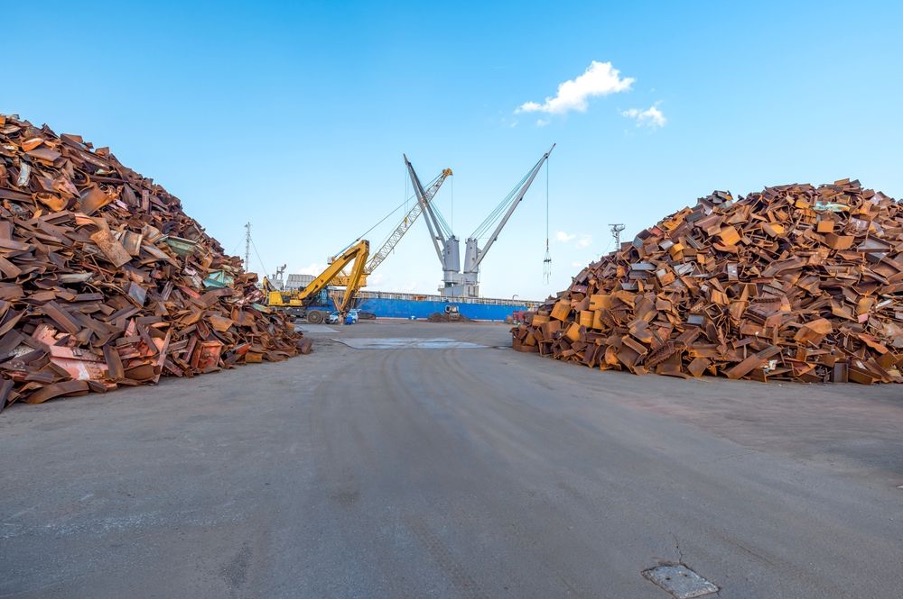
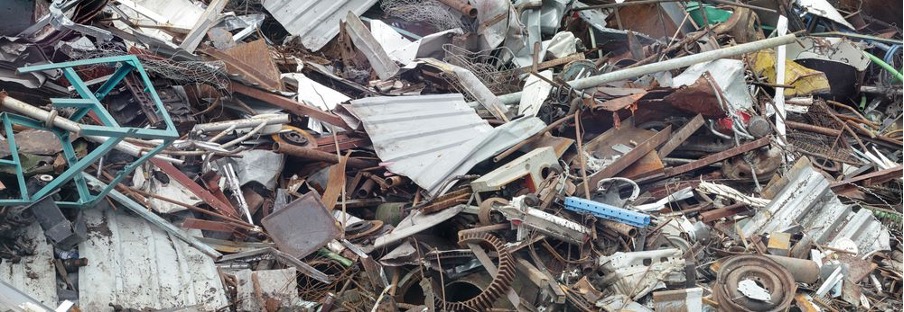
What are the Highest Paying Scrap Metals?

When it comes to boosting your recycling profits, understanding the highest paying scrap metals can make all the difference. Whether you’re a tradie clearing out offcuts, a business managing industrial waste, or a homeowner tidying up the shed, knowing what metals bring in the most money helps you make smarter recycling decisions. Across Australia, and particularly in Melbourne, scrap metal prices fluctuate with market demand, metal purity, and global trends. From copper and brass to aluminium and stainless steel, each type of metal carries its own value. Learning how to sort, clean, and sell scrap metal effectively ensures you get the best possible return while doing your bit for the environment. This guide explores which metals are worth the most, what drives their price, and how you can turn unwanted materials into a reliable source of income through sustainable metal recycling.

What Determines Scrap Metal Value?

Understanding what drives the value of scrap metal is essential for anyone looking to make the most of metal recycling in Australia. Prices vary not only between metal types but also based on quality, purity, and market demand. Scrap yards in Melbourne and across the country calculate rates according to the global metal value chart, which fluctuates with supply and demand in industries such as construction, automotive, and manufacturing.

Purity plays a major role in determining scrap metal prices. Clean, uncontaminated metals like bare bright copper or pure aluminium attract higher payments, while mixed or corroded metals are often worth less. Similarly, sorted materials generally sell for more than unseparated loads, as recyclers can process them more efficiently.

External factors also influence price. The global commodity market, energy costs, and international trade policies all impact the value recyclers receive. Local recycling infrastructure and sustainability initiatives in Melbourne further shape pricing trends, rewarding those who separate and prepare metals responsibly.

The Top Highest Paying Scrap Metals in Australia

When it comes to metal recycling, not all materials offer the same return. Some metals are in constant global demand, while others hold niche value in specific industries. Understanding the highest paying scrap metals helps both households and businesses make informed choices about what to collect and where to sell scrap metal for the best profit. Below are the most valuable metals commonly found in Australia, their uses, and the factors that influence their price per kilogram.

Copper – The King of Scrap

Copper remains the undisputed leader in the scrap metal market, prized for its exceptional electrical and thermal conductivity. It is used extensively in electrical wiring, plumbing systems, air conditioning units, and renewable energy technologies. Because of its versatility and recyclability, demand for copper remains consistently high in both domestic and international markets.

Lower-grade copper, such as insulated wire or mixed alloys, still retains value but is priced according to the amount of effort required to extract the pure metal. Regularly monitoring scrap yard prices and cleaning copper before recycling ensures you receive the highest possible return. Copper’s strong resale value and environmental benefits make it one of the most rewarding metals to recycle in Australia.

Brass – Strong Returns from an Alloy

Brass, an alloy made primarily of copper and zinc, is another top performer in the scrap market. Its durability, corrosion resistance, and attractive finish make it a popular choice for plumbing fixtures, electrical fittings, musical instruments, and decorative items.

The value of brass scrap depends on its composition and cleanliness. Solid brass taps, valves, and fittings generally attract higher payments than mixed or plated materials. Yellow brass, which has a higher zinc content, is common in household plumbing and is highly sought after by recyclers. Red brass, which contains more copper, is even more valuable and often used in industrial applications.

Aluminium – Lightweight but Lucrative

Although lighter and less dense than other metals, aluminium remains one of the most commonly recycled materials due to its versatility and abundance. From window frames and car parts to beverage cans and kitchen appliances, aluminium can be found almost everywhere. Its high recyclability and low melting point mean it can be reused indefinitely without losing quality, making it a key player in Australia’s circular economy.

The demand for aluminium continues to rise, especially in construction, automotive, and aerospace sectors focused on lightweight and energy-efficient designs. Sorting and cleaning aluminium scrap before delivery to a recycling centre ensures better value and contributes to reducing energy consumption across the production chain.

Stainless Steel and Lead – Dependable Earners

Stainless steel may not command the same high price as copper or brass, but it remains a valuable and reliable source of income. Its composition typically includes chromium, iron, and nickel, which influence its price per kilogram.

Common sources of stainless steel scrap include kitchen appliances, industrial equipment, and automotive parts. Because it is durable and resistant to corrosion, stainless steel can be recycled repeatedly without degrading its properties. Melbourne’s scrap metal recyclers often prefer sorted stainless steel due to its predictable quality and processing efficiency.

Rare and Specialty Metals: Nickel, Titanium & Bronze

Beyond the more common metals, a range of specialty materials such as nickel, titanium, and bronze also hold strong market value. These metals are less frequently found in household waste but are highly sought after in industrial and manufacturing sectors.

Nickel, used in stainless steel production and batteries, commands a premium price when available in pure form. Titanium, prized for its strength-to-weight ratio and resistance to corrosion, is widely used in aerospace and medical industries, making it one of the most valuable metals by weight. Bronze, an alloy of copper and tin, is popular for sculptures, bearings, and marine fittings due to its durability and visual appeal.

While these metals are less common, identifying and recycling them can significantly boost profits for experienced collectors. Partnering with specialised recyclers who can test and verify rare metals ensures accurate pricing and ethical recycling practices.

Maximising Value from High-Paying Scrap Metals

Understanding which metals offer the highest returns is only half the equation. To truly capitalise on the scrap market, sellers need to focus on preparation, sorting, and timing. Cleaning, separating, and storing metals correctly ensures that recyclers can assess their purity and pay top rates.

Monitoring global commodity prices and working with reputable scrap metal recyclers in Melbourne can help you secure the best deals. Many recycling facilities offer real-time pricing updates and will test metals on-site for transparency. By combining industry knowledge with smart recycling habits, Australians can turn unwanted materials into a steady and environmentally sustainable income stream.

In short, the highest paying scrap metals—such as copper, brass, aluminium, stainless steel, and specialty alloys—represent both financial opportunity and environmental responsibility. Through informed recycling practices, anyone can play a part in reducing waste while earning from the materials that keep our modern world running.

Where to Sell Scrap Metal in Melbourne

Finding the right place to sell scrap metal in Melbourne can make a significant difference to your returns. Reputable scrap metal recyclers offer fair and transparent pricing based on current market rates and metal purity. Choosing a licensed facility ensures your materials are processed safely and in compliance with local environmental regulations. Many recycling centres accept a wide range of metals, including copper, brass, aluminium, stainless steel, and lead. By selecting a trusted local recycler that values sustainability and honest dealings, you can earn top dollar while supporting responsible metal recycling across Victoria.

Do You Want to Sell Scrap Metal?

Understanding the highest paying scrap metals empowers Australians to recycle smarter and earn more. By sorting materials, tracking scrap metal prices, and choosing reputable recyclers, you can maximise profit while reducing waste. Get in touch with Metal Men Recycling for your metal recycling needs.

Contact Metal Men at 03 5941 6677 or fill in our online contact form and we will get back to you.

Frequently Asked Questions

What is the most valuable scrap metal to sell in Australia?

Copper is widely recognised as the most valuable scrap metal due to its high conductivity and constant demand in electrical, plumbing, and construction industries. Clean, pure copper, such as bare bright wire, usually attracts the highest prices per kilogram.

How can I get the best price for my scrap metal in Melbourne?

To secure the best scrap metal prices, always separate metals by type, clean them to remove any non-metal materials, and monitor market trends. Selling directly to reputable scrap metal recyclers in Melbourne ensures you receive transparent and competitive rates.

Why do scrap metal prices change so often?

Prices fluctuate due to global commodity markets, energy costs, and changes in manufacturing demand. Local supply levels and export activity also influence how much recyclers can pay for materials like copper, brass, and aluminium.

Is it legal to sell scrap metal in Victoria?

Yes, it is legal to sell scrap metal in Victoria, provided you comply with state regulations. Licensed recyclers may require identification and proof of ownership to ensure ethical recycling practices.

Which metals are easiest to collect for recycling?

Common, easy-to-find items include aluminium cans, copper wires, and brass fittings. Regularly checking household, renovation, or automotive waste can uncover valuable metals ready for recycling.

What is the Aluminium Can Recycling Process in Australia?

The aluminium can recycling process is one of the most efficient and sustainable examples of circular economy in action. Every time you recycle an aluminium can, you’re helping to conserve natural resources, reduce energy consumption, and cut greenhouse gas emissions. What’s even more impressive is that aluminium can be recycled endlessly without losing its quality, meaning the same material can return to supermarket shelves as a brand-new can in as little as 60 days. In Melbourne, recycling centres and scrap metal facilities play a key role in collecting and processing these cans responsibly. For individuals and businesses looking to support sustainability while earning a little extra, choosing to sell scrap metal is an easy and rewarding step. By participating in the aluminium recycling process, you’re not only helping the environment but also supporting local industries and Australia’s broader shift towards a cleaner, greener future.

aluminium can recycling

Understanding Aluminium and Its Unique Properties

Aluminium is one of the most versatile and sustainable materials on the planet, prized for its light weight, strength, and resistance to corrosion. These qualities make it ideal for manufacturing beverage cans, packaging, and countless industrial applications. Unlike many metals, aluminium can be recycled indefinitely without losing its structural integrity or purity, which makes it a cornerstone of the circular economy.

The process of recycling aluminium cans is built around these remarkable characteristics. Because aluminium melts at a relatively low temperature, it can be reprocessed with minimal energy use, around 95% less than producing new metal from raw bauxite ore. This efficiency not only conserves natural resources but also drastically reduces greenhouse gas emissions.

From smartphones and cars to food packaging and construction materials, aluminium’s unique properties ensure it remains one of the most valuable metals recovered through scrap metal recycling in Melbourne and across Australia.

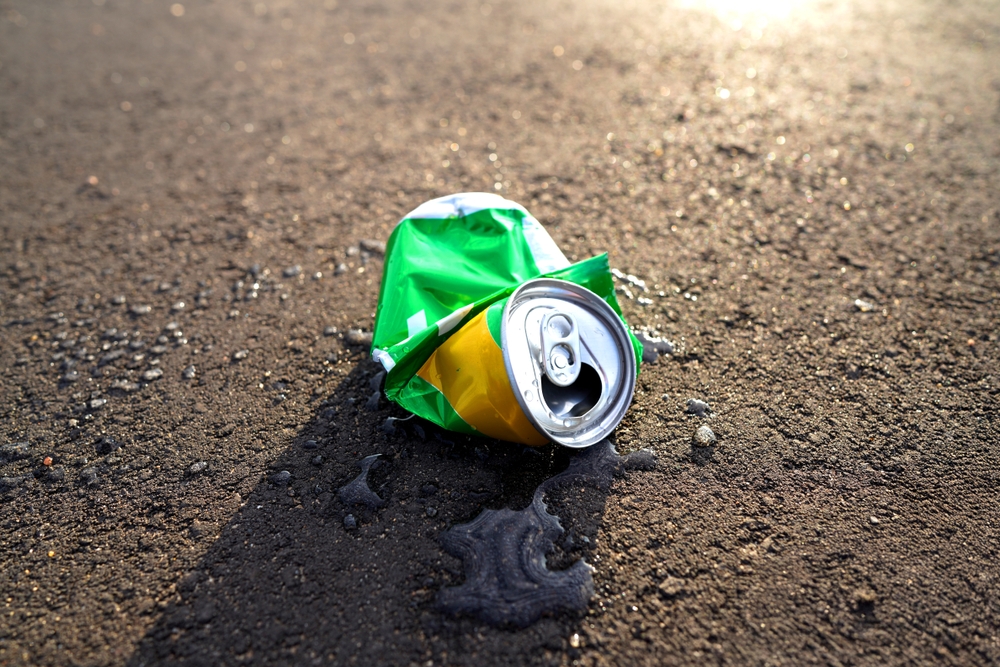
crushed aluminium cans

Collection and Sorting – The First Step of the Recycling Process

The aluminium can recycling process begins with efficient collection and sorting. Across Melbourne and throughout Australia, countless households, workplaces, and recycling centres contribute by returning used cans through curb side bins, community drop-off points, or scrap metal recycling facilities. This initial stage ensures that valuable materials are recovered rather than ending up in landfill.

Once collected, the aluminium cans are carefully sorted to remove contaminants such as plastic, paper, or other metals. This is done using advanced technologies like magnetic separation and eddy current systems, which help identify and isolate non-ferrous metals such as aluminium. Proper sorting is crucial, as it guarantees the purity of the recycled material and improves the overall quality of the finished product.

Every correctly sorted aluminium can has the potential to be transformed into a new product within just a few weeks. This closed-loop system not only conserves energy but also promotes sustainability and reduces Australia’s dependence on virgin resources.

The effectiveness of this stage highlights why individuals and businesses alike are encouraged to sell scrap metal and participate in recycling initiatives, every can collected contributes to a cleaner, more resource-efficient future.

aluminium can sorting for recycle

Shredding and Cleaning – Preparing Aluminium for Reprocessing

After collection and sorting, the next vital stage in the aluminium can recycling process is shredding and cleaning. Once the cans arrive at the recycling facility, they are fed into powerful industrial shredders that break them down into small, uniform pieces. This makes it easier to remove coatings, paints, and any residual contaminants that could affect the purity of the metal.

The shredded aluminium is then thoroughly cleaned using a combination of mechanical and chemical treatments. These methods strip away any remaining impurities, ensuring that the metal is of high quality and suitable for reprocessing. During this step, materials such as paper labels, ink, and food residues are eliminated, leaving only clean aluminium fragments ready for the next phase.

This meticulous cleaning and shredding process plays a crucial role in achieving a closed-loop recycling system. By maintaining the quality of the recovered metal, recyclers can ensure it retains its strength and properties for reuse. This not only supports sustainability but also helps sell scrap metal at competitive prices, as purer aluminium is more valuable in the recycling market.

Through efficient preparation, aluminium recycling continues to conserve resources and reduce the environmental impact of production.

Melting and Casting – Turning Waste into New Aluminium

Once the aluminium cans are shredded and cleaned, they move to the melting and casting stage, a pivotal step in the aluminium can recycling process. The clean aluminium fragments are loaded into a high-efficiency furnace, where they are melted at temperatures exceeding 700°C.

During melting, impurities rise to the surface and are carefully skimmed off, leaving behind pure, molten aluminium. The refined liquid metal is then poured into moulds or cast into large solid blocks known as ingots. These ingots form the foundation for manufacturing new aluminium products, including cans, car parts, and construction materials.

This process is remarkably energy-efficient compared to producing aluminium from raw bauxite ore. Recycling aluminium uses up to 95% less energy, significantly reducing greenhouse gas emissions and environmental impact. The result is a continuous, circular economy where aluminium retains its quality and value indefinitely.

Through melting and casting, scrap metal is transformed back into a premium, reusable material — a perfect example of how Australians can sell scrap metal responsibly while supporting a greener, more efficient future.

The Environmental Impact of Aluminium Recycling

The environmental impact of aluminium recycling is one of its greatest advantages, making it a cornerstone of Australia’s sustainable waste management practices. Recycling aluminium cans drastically reduces the demand for raw materials, conserving the bauxite ore used to produce new aluminium. This process also prevents the release of harmful greenhouse gases associated with mining, refining, and smelting operations.

One of the most impressive benefits is the significant reduction in energy consumption. Producing aluminium from recycled cans uses up to 95% less energy than creating it from virgin materials. This immense energy saving translates directly into fewer carbon emissions and less strain on Australia’s electricity grid.

Additionally, recycling helps reduce the volume of waste sent to landfill. Aluminium is infinitely recyclable, meaning it can be melted down and reused countless times without losing its quality or strength. Each recycled can represents a small but meaningful step towards a circular economy, where resources are kept in use for as long as possible.

By supporting local recycling centres and choosing to sell scrap metal, Australians can actively contribute to reducing pollution, conserving natural resources, and promoting a cleaner, more sustainable future for the next generation.

crushed aluminium can

Economic and Social Benefits of Aluminium Recycling

Aluminium recycling offers significant economic and social advantages, making it a vital component of Melbourne’s scrap metal recycling sector. By recovering aluminium from used cans, recycling facilities create revenue streams from valuable materials that would otherwise be wasted. The sale of high-quality recycled aluminium supports local businesses and manufacturers, reducing their reliance on imported raw materials and helping maintain competitive production costs.

The process also generates employment opportunities in collection, sorting, processing, and remanufacturing operations, contributing to the local economy. Community involvement in recycling initiatives fosters a sense of responsibility and awareness about sustainable consumption, creating a positive social impact.

For households and businesses, participating in recycling programs and choosing to sell scrap metal offers financial incentives while promoting environmentally friendly practices.

Furthermore, aluminium recycling strengthens Australia’s circular economy by keeping materials in use for longer and reducing landfill waste. By combining economic benefits with social responsibility, the aluminium can recycling process demonstrates how sustainability and profitability can go hand in hand, supporting Melbourne’s vision of a greener, resource-efficient future for both industry and community.

Do You Want to Sell Scrap Metal in Melbourne?

Look no further than Metal Men Recycling for your metal recycling needs. We make selling scrap metal an easy and straightforward process, and pride ourselves on our expertise and customer service.

Get in touch with us by calling 03 5941 6677 or by filling out our online contact form and we will get back to you.

Frequently Asked Questions

What is the aluminium can recycling process?

The aluminium can recycling process involves collection, sorting, shredding, cleaning, melting, and remanufacturing, allowing aluminium to be reused indefinitely without losing quality.

How long does it take to recycle an aluminium can?

From collection to being remade into a new can, the process can take as little as 60 days, making aluminium one of the fastest-recycled materials.

Why is aluminium infinitely recyclable?

Aluminium retains its structural integrity and purity no matter how many times it is recycled, which makes it highly valuable for scrap metal recycling and sustainability initiatives.

How much energy does recycling aluminium save?

Recycling aluminium uses up to 95% less energy compared to producing new aluminium from bauxite ore, significantly reducing greenhouse gas emissions.

Can recycling aluminium cans benefit the community?

Yes. Recycling reduces landfill waste, supports local jobs, strengthens the circular economy, and encourages environmentally responsible habits in households and businesses.

The Environmental Benefits of Metal Recycling

The environmental benefits of metal recycling are many, and in Melbourne metal recycling is more than just a responsible way to dispose of scrap—it’s a powerful tool for protecting our environment. As cities grow and industrial demand rises, the need to manage metal waste sustainably has never been more urgent. Recycling and selling scrap metals such as aluminium, steel, and copper not only saves significant amounts of energy compared to producing new materials, but it also reduces greenhouse gas emissions, lowers landfill pressure, and helps preserve Australia’s unique ecosystems. For both businesses and households, embracing metal recycling offers an opportunity to contribute to a circular economy, supporting local industries while minimising environmental impact. In this article, we explore the many environmental benefits of metal recycling, from conserving resources and cutting emissions to protecting habitats and promoting sustainability right here in Melbourne.

environmental benefits of metal recycling

Conservation of Natural Resources

Metal recycling plays a crucial role in conserving the earth’s finite natural resources. Every year, mining for raw metals like bauxite, iron ore, and copper extracts vast quantities from the planet, often at great environmental cost. By recycling scrap metal, Melbourne businesses and households can significantly reduce the demand for virgin materials, helping to preserve landscapes and protect local ecosystems.

Recycling metals such as aluminium and steel is far more energy-efficient than producing new metals from raw ore. For example, recycled aluminium requires up to 95% less energy than aluminium made from bauxite, while recycling steel saves approximately 74% of the energy compared to creating steel from iron ore. These energy savings also translate into fewer greenhouse gas emissions, creating a positive knock-on effect for climate change mitigation.

Recycling also reduces the need for destructive mining practices, which can lead to soil erosion, habitat loss, and water pollution. When metals are reused instead of mined anew, delicate Australian ecosystems face less disruption, and biodiversity is better protected.

By prioritising metal recycling, communities contribute to sustainable resource management, ensuring future generations can continue to benefit from these essential materials.

Energy Efficiency and Carbon Footprint Reduction

Recycling metals is one of the most effective ways to improve energy efficiency and reduce carbon emissions. Manufacturing metals from virgin ore requires enormous amounts of energy, contributing significantly to greenhouse gas emissions. By contrast, recycling aluminium, steel, and copper consumes far less energy, making it a key strategy in lowering the overall carbon footprint of metal production.

Aluminium recycling, for example, uses up to 95% less energy than producing new aluminium from bauxite. Steel recycling can save around 74% of the energy required for primary steel production, while copper recycling reduces energy consumption by approximately 85%. These reductions in energy use directly decrease carbon dioxide emissions, helping Australia meet its sustainability and climate goals.

By reducing energy demand through recycling, we also lessen the pressure on power generation infrastructure and minimise reliance on fossil fuels. Metal recycling therefore plays a dual role: it conserves resources and actively mitigates climate change. Supporting recycling initiatives in Melbourne not only benefits the environment but also contributes to a cleaner, more sustainable urban landscape for current and future generations.

environmental benefits of metal recycling

Minimising Landfill Waste

Metal recycling is essential for reducing the strain on landfill sites and preventing long-term environmental damage. Metals such as aluminium, steel, and copper can take hundreds of years to decompose when left in landfills, posing risks to soil and water quality. By diverting scrap metal from landfill, recycling programs help mitigate pollution while conserving valuable resources.

Recycling scrap metal ensures that these materials are returned to the production cycle instead of accumulating as waste. This approach not only preserves landfill space but also reduces the environmental costs associated with waste management and disposal.

  • Local councils and private recycling facilities provide accessible options for households and businesses to deposit scrap metals responsibly, ensuring materials are properly sorted and processed.
  • Businesses that actively participate in metal recycling programmes help to reinforce a culture of sustainability, reducing the environmental footprint of their operations and supporting Melbourne’s broader waste reduction goals.

By keeping metals in circulation, recycling contributes to a circular economy that prioritises reuse over disposal. Minimising landfill waste through metal recycling is therefore a practical and effective way to protect the environment while supporting sustainable urban development across Melbourne.

Protection of Ecosystems and Biodiversity

Metal recycling plays a vital role in protecting ecosystems and preserving biodiversity. Mining for raw metals such as copper, aluminium, and iron ore often involves clearing large areas of land, disrupting habitats, and threatening native flora and fauna. By recycling scrap metal, households and businesses can reduce the need for these destructive mining practices, helping to safeguard Australia’s unique ecosystems.

Recycling metals also prevents contamination from mining runoff, which can pollute rivers and soils, negatively impacting wildlife. By keeping metals in circulation, we reduce the environmental footprint associated with extraction and processing, contributing to healthier landscapes and cleaner waterways.

Ultimately, embracing metal recycling helps maintain biodiversity by protecting natural habitats from unnecessary destruction. Supporting sustainable metal use allows communities to contribute directly to the preservation of ecosystems, ensuring that native species and delicate environments continue to thrive for generations to come.

environmental benefits of metal recycling

Economic and Community Benefits

Metal recycling in Melbourne not only supports environmental sustainability but also delivers significant economic and community advantages. By processing scrap metals locally, recycling facilities create jobs across collection, sorting, and processing operations. This strengthens the local economy while promoting a circular economy that maximises resource efficiency.

Recycling also benefits businesses by reducing disposal costs and providing access to affordable, recycled raw materials for manufacturing and construction. Incorporating metal recycling into business operations demonstrates corporate responsibility, enhancing reputation and encouraging sustainable practices throughout the community.

Overall, metal recycling fosters economic growth, creates green jobs, and strengthens community engagement, making it an essential component of Melbourne’s sustainable future.

How Individuals and Businesses Can Contribute

Everyone in Melbourne has a role to play in supporting metal recycling and promoting environmental sustainability. Households and businesses can help ensure metals are reused rather than discarded by separating scrap materials such as aluminium, steel, copper, and brass from general waste. Proper sorting makes it easier for recycling centres to process materials efficiently, maximising the environmental benefits.

Local recycling facilities provide accessible drop-off points and collection services, enabling residents and businesses to participate actively in metal recycling programs. Businesses can implement internal recycling initiatives, such as sourcing recycled metal for manufacturing or construction and educating staff on sustainable waste management practices.

By participating in metal recycling, individuals and businesses contribute to a circular economy, reduce landfill waste, and minimise greenhouse gas emissions. Simple, consistent actions can collectively have a significant impact, helping Melbourne build a more sustainable and environmentally responsible community.

environmental benefits of metal recycling

Do You Need to Sell Scrap Metal?

Look no further than Metal Men Recycling for your metal recycling needs. Metal recycling is a vital practice for protecting the environment, conserving natural resources, and reducing greenhouse gas emissions. By recycling aluminium, steel, copper, and other scrap metals, Melbourne households and businesses can help to minimise landfill waste and preserve ecosystems.

Get in touch by calling 03 5941 6677 or fill out our online contact form and we will get back to you.

Frequently Asked Questions (FAQ)

What metals can be recycled in Melbourne?

Melbourne recycling centres accept a variety of metals, including aluminium, steel, copper, brass, and other common scrap metals. Properly sorted metals are easier to process, maximising environmental benefits and energy savings.

How does metal recycling reduce greenhouse gas emissions?

Recycling metals consumes significantly less energy than producing new metals from raw ore. This reduction in energy usage directly lowers carbon dioxide emissions, helping combat climate change and improve Melbourne’s air quality.

Can metal recycling prevent habitat destruction?

Yes. By reducing the need for mining, recycling metals protects natural habitats and biodiversity. It prevents soil erosion, water contamination, and deforestation, safeguarding Australia’s ecosystems for future generations.

Is metal recycling economically beneficial in Australia?

Absolutely. Recycling creates local jobs, supports businesses, and strengthens the circular economy. Using recycled metals in manufacturing also reduces material costs while promoting sustainable business practices.

How can households and businesses participate in metal recycling?

Households can separate scrap metal from general waste and utilise local recycling centres. Businesses can implement recycling programmes, use recycled metals in operations, and educate staff about sustainable waste management.

How Construction Waste Recycling and Scrap Metal are Building Australia’s Circular Economy

In an era of mounting environmental concerns, resource scarcity, and climate change, Australia is rethinking how materials are produced, consumed, and disposed of. A solution gaining increasing traction is the circular economy, a system designed to eliminate waste and keep resources in use for as long as possible. At the heart of this system lies a critical but often overlooked player: construction waste recycling and scrap metal recycling. In industries like construction and manufacturing, which are traditionally resource-intensive, embracing circular practices is not only environmentally responsible but also economically sound. Keep reading to find out what a circular economy is and how scrap metal recycling supports its growth.

Understanding the Circular Economy

A circular economy contrasts sharply with the traditional “take, make, dispose” linear model. Instead of extracting raw materials, using them once, and discarding the waste, a circular system focuses on keeping products, components, and materials in circulation through reuse, repair, remanufacturing, and recycling.

In this model, waste becomes a resource, and materials are given multiple lives. It’s about designing products with longevity, making processes more efficient, and ensuring that when items reach the end of their life, they’re not sent to landfill, but transformed into valuable inputs again.

Why Metal Recycling Is Crucial

Among all recyclable materials, metals are uniquely valuable. Unlike plastic or paper, metals can be recycled indefinitely without losing quality. This means scrap steel, aluminium, copper, and other metals can be continuously reused in construction, manufacturing, and infrastructure projects without compromising performance.

The Role of Metal Recycling in Construction

The construction industry is one of the largest consumers of raw materials in the world. In Australia, construction waste accounts for roughly 44% of the country’s total waste output, according to the Australian Bureau of Statistics. This includes large volumes of metal, steel beams, roofing sheets, reinforcing bars, aluminium window frames, copper piping, and more.

Here’s where metal recycling steps in.

By sourcing recycled metals instead of virgin materials, builders and developers can significantly reduce their project’s environmental impact. Recycled steel and aluminium are already widely used in:

  • Structural frameworks for buildings and bridges
  • Rebar for reinforcing concrete
  • Roofing and cladding materials
  • Window frames and partitioning systems
  • Piping and plumbing components

Modern recycling facilities in Melbourne prepare scrap metals to meet construction-grade specifications, ensuring builders receive high-quality, certified materials that comply with Australian building standards.

The Role of Metal Recycling in Manufacturing

Manufacturing is another sector where metal recycling is driving innovation and sustainability. Whether it’s heavy machinery, vehicles, electronics, or consumer goods, most products require some form of metal in their production. Incorporating recycled metal into these products allows manufacturers to lower production costs, reduce reliance on imported raw materials, and minimise their environmental impact.

For Australian manufacturers, especially in Melbourne’s industrial suburbs, recycled metal provides a reliable and local source of material. This is increasingly important in a world where global supply chains are under strain, and geopolitical and economic factors have made raw material imports more volatile and expensive.

Manufacturers use recycled metals for:

  • Automotive components, including panels, engines, and wheels
  • Whitegoods and appliances, such as washing machines and refrigerators
  • Electronics, including circuit boards and housings
  • Machinery and tools used in production lines
  • Packaging, such as aluminium cans and containers

By partnering with local recyclers, manufacturers can also improve their waste management systems. Scrap generated during production can be collected, recycled, and reintegrated into the manufacturing cycle, closing the loop in a real, tangible way.

Challenges and Opportunities

While metal recycling has a critical role in building a circular economy, it is not without challenges. These include:

  • Contamination – Mixed materials and non-metal contaminants reduce recycling efficiency
  • Education gaps – Many businesses and individuals are unaware of what metals can be recycled
  • Infrastructure limitations – Some regions lack access to modern recycling facilities
  • Market volatility – Global scrap metal prices can affect profitability

However, these challenges also present opportunities. Increasing investment in advanced sorting technologies, improving regulatory support, and running education campaigns can help overcome barriers and boost recycling rates across Australia.

Melbourne, in particular, is well-positioned to lead the charge. With a robust industrial base, growing population, and ambitious climate targets, the city stands to benefit enormously from a more circular, metal-smart economy.

Do You Need a Scrap Metal Recycling Facility?

Look no further than Metal Men Recycling. We make selling scrap metal a straightforward process so that you can contribute to the circular economy in an easy way. When you need to sell scrap metal, get in touch with Metal Men.

Contact us at 03 5941 6677 or fill out our online contact form and we will get back to you.

Behind the Scenes: What Really Happens to Your Scrap in a Metal Recycling Facility?

Every year, Australians discard thousands of tonnes of metal waste—aluminium cans, old appliances, car parts, copper wiring, steel beams, and more. But what happens after that scrap metal leaves your home, business, or construction site? Where does it go, and how does it get transformed into something useful again? If you step inside Metal Men Recycling, you will find a surprisingly complex, efficient, and environmentally essential process underway every day. From sorting and shredding to smelting and shipping, metal recycling is more than simply crushing cans – it is a critical industry that helps to support Australia’s sustainability goals and circular economy. Come with us as we take a closer look into scrap metal recycling and learn what really happens to your scrap metal.

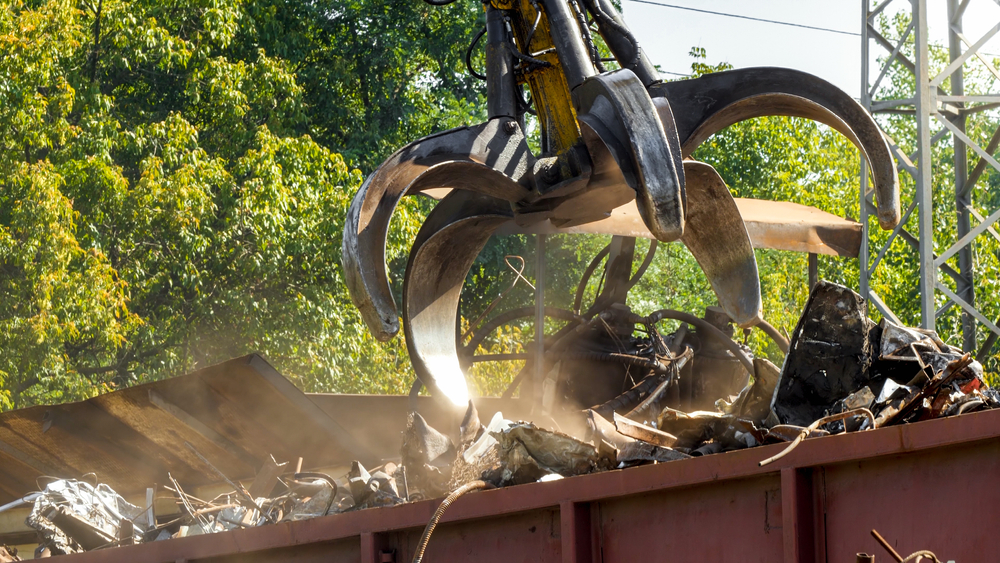
scrap metal recycling yard

Step 1 – Delivery or Collection

The journey really begins when we receive your scrap metal, which can be done in one of two ways: you drop off your scrap metal to us, or we can collect it from your home or business. We recycle scrap metal from all over Melbourne, from a variety of different sources, including households, construction sites, commercial businesses, and manufacturers.

Step 2 – Weighing and Inspection

Upon arrival at the recycling facility, your scrap metal is weighed. This isn’t just about determining its value—it also helps the recycler log volumes for tracking, compliance, and reporting. Next, the load undergoes visual inspection and, if needed, a chemical or magnetic analysis. Why? Because not all metals are created equal.

Recyclers need to sort ferrous metals (those containing iron, like steel) from non-ferrous metals (like aluminium, copper, and brass). They also need to check for contaminants—such as plastic, rubber, or other materials—that must be removed before processing.

Step 3 – Sorting and Separation

Efficient sorting is key to high-quality recycling. At this stage, the facility uses a combination of manual labour, magnets, and advanced technology to separate different metals. In many Melbourne plants, you’ll find equipment like:

  • Overhead magnets – to extract ferrous metals
  • Eddy current separators – to identify and separate non-ferrous metals
  • Infrared sensors and X-ray sorters – to detect specific alloys or contaminants
  • Shears and shredders – to reduce large metal objects into manageable sizes

Skilled workers also play a vital role, especially when separating mixed loads or identifying valuable metals like copper or stainless steel.

Step 4 – Processing and Preparation

Once sorted, the scrap is processed based on its type and end use.

  • Ferrous metals (like steel and iron) are typically shredded into smaller pieces and sent to electric arc furnaces or blast furnaces for melting.
  • Non-ferrous metals (like aluminium, copper, brass) are baled, granulated, or compacted before being smelted.

Melbourne recycling facilities often prepare metals to meet the specific requirements of buyers—such as foundries, smelters, or manufacturers—who rely on recycled material to reduce costs and lower environmental impact.

For example:

  • Aluminium cans are shredded and cleaned before being melted into ingots
  • Copper wiring is stripped of its insulation and granulated

These processes require heavy-duty machinery and strict safety protocols, as well as compliance with Australian standards for recycling and waste management.

Step 5 – Smelting and Purification

After initial processing, metals are transported to smelters or foundries—sometimes locally, sometimes interstate or overseas—where they’re melted at high temperatures and purified to remove impurities. These newly purified metals are just as good as (and in many cases, cheaper and more sustainable than) virgin metals mined from the earth.

Recycled metal is then sent to manufacturers who turn it into new products—everything from building materials and car parts to electronics, cans, and furniture.

So Why Does This Process Matter?

The metal recycling process offers many significant environmental advantages. In Australia, recycling aluminium can save up to 95% of the energy required to produce it from raw materials, while recycling steel uses approximately 60 to 74% less energy compared to mining and processing virgin ore. This process not only reduces greenhouse gas emissions but also conserves valuable natural resources such as iron ore and bauxite.

Additionally, this process helps divert waste from landfills and lessens the need for environmentally damaging mining practices. Melbourne, like many Australian cities, is facing growing pressure to meet ambitious sustainability targets. The Victorian Government’s Circular Economy Policy and Recycling Victoria plan both aim to extend the life cycle of materials, and metal recycling serves as a powerful example of how this vision can be realised in practice.

Do You Need a Scrap Metal Recycling Facility?

Look no further than Metal Men Recycling. We make selling scrap metal a straightforward process so that you can turn your scrap into extra cash easily and without fuss. When you need to sell scrap metal, get in touch with Metal Men.

Contact us at 03 5941 6677 or fill out our online contact form and we will get back to you.

Going Green: The Environmental Impact of Scrap Metal Recycling

Our country is not just a land of natural wonders, it is a region that is actively engaged in shaping a sustainable future in many ways. One of these avenues is responsible resource management, which includes recycling initiatives and industries, one of which is metal recycling. This month, we dive into the environmental impact of scrap metal recycling, informing you all about the advantages and benefits for our environment. From the reduction of energy consumption to conserving natural resources and more, we will show you the ways in which metal recycling is more than just routine, it shows Australia’s commitment to protecting and conserving our natural environment. Plus, if you want to be involved in metal recycling, you can learn where to sell scrap metal to be recycled, making you an important link in our circular economy.

scrap metal

The Scope of Metal Recycling in Australia

Australia’s metal recycling efforts span a wide spectrum, encompassing both industrial practices and individual contributions. With a robust infrastructure of recycling facilities and professional metal recycling businesses, our country is equipped to process a diverse range of metals including aluminium, steel, copper, and more. This is a comprehensive approach that ensures metals from different sources such as manufacturing waste, construction materials, and household scrap metal, find their way to a sustainable end – or a new beginning!

Energy Savings

One of the most significant environmental benefits of metal recycling lies in energy savings. Extracting metals from their ores demands considerable energy, which in turn contributes to greenhouse gas emissions. In contrast, recycling metals requires significantly less energy. By prioritising metal recycling, Australia is actively reducing its reliance on energy-intensive mining operations, contributing to the country’s broader efforts to transition to a more sustainable economy.

Conserving Finite Resources

While our country is known for its rich deposits of natural resources, these resources are also finite. Metal recycling plays a crucial role in conserving these resources. Rather than continuing to deplete our limited ore resources, recycled metals become a valuable source of raw materials for many industries. This circular approach not only extends the lifespan of existing resources but also helps to alleviate the environmental impact of traditional mining activities.

Mitigating Our Carbon Footprint

The production of metal, especially from primary sources, often entails significant carbon emissions. The extraction, transportation, and processing of ores contribute to greenhouse gas emissions, air pollution, and the disruption of habitats. When metal is recycled, this directly addresses these concerns, by minimising the need for new metal extraction. Reducing the demand for primary production notably decreases carbon emissions, which aligns with a commitment to combatting climate change and building a more sustainable future.

Economic and Environmental Synergy

This commitment to metal recycling is not simply an environmental move, it is also a strategic economic decision. The recycling industry overall contributes significantly to job creation, economic growth, and innovation, and this is true of the metal recycling industry too. By prioritising recycling, Australia fosters a circular economy where materials are continually reused, thereby reducing the strain on natural resources, and creating a positive feedback loop of economic and environmental benefits.

The Role of Government Policies

Australia’s commitment to environmental sustainability is reinforced by robust government policies that encourage and regulate responsible waste management, including metal recycling. These policies provide a framework for the industry, outlining standards, incentives, and environmental targets. By aligning economic goals with environmental considerations, the government ensures a harmonious integration of sustainability practices into our country’s broader developmental agenda.

Community Engagement and Awareness

The success of metal recycling in Australia actually relies on more than industrial practices, it also relies on community engagement and awareness. Educational initiatives, outreach programs, and public awareness campaigns are empowering individuals and households to sell scrap metal and participate actively in the metal recycling process. Australians all over the country are increasingly recognising the importance of sorting, collecting, and responsibly recycling their metal waste, which means that it is critical to know where to go when you need metal recycling experts. That’s where community engagement and awareness come in, and where your local metal recycling professionals can be a great asset to households everywhere. When people are aware of how to collect and sort scrap metal, as well as where to take it for recycling, this contributes to the overall success of Australia’s recycling initiatives.

Do You Want to Sell Scrap Metal?

Maybe you have been inspired by this month’s article, or it has prompted you to get around to taking that metal you have been collecting to your local metal recyclers. You could be in the midst of a shed clean-out, or perhaps you have been meaning to start a scrap metal side hustle. This is where Metal Men Recycling comes in. We want to buy your scrap metal, and we are committed to responsibly recycling it too. With over 50 combined years of metal industry experience, we can provide you with a seamless experience from start to finish, and we are proud to be part of the circular economy through metal recycling.

When you are ready to recycle scrap metal, sell it to us by contacting 03 5941 6677, or fill out our online contact form and we will get back to you.

Green Gold: The Economic Opportunities in Selling Scrap Metal as a Side Hustle

In a world where sustainability meets economic savvy, the concept of turning rubbish into cash is gaining momentum. One avenue that stands out is selling scrap metal. Beyond simply decluttering your home or workplace, selling scrap metal presents a unique side hustle opportunity that can add some extra value to your hip pocket. This practice also aligns with environmental responsibility, which is an increasingly important concern for many people, businesses, and industries. This month, we explore the economic opportunities embedded in the world of scrap metal and uncover the strategies for and reasons to sell scrap metal. Keep reading to discover how you can turn your scrap metal into a sustainable and lucrative side hustle.

scrap metal

The Foundation: Understanding the Value of Scrap Metal

If you want to understand why selling scrap metal is a great side hustle, you first have to understand the value of scrap metal. There are several factors that come into play when assessing the scrap metal. First, the condition of the metal influences its value, and clean and uncontaminated metal will be worth more. Secondly, the purity of the metal also plays a pivotal role. Ferrous metals are metals which contain iron, and non-ferrous metals such as aluminium, copper, and brass, are often more valuable. Lastly, the quantity of the scrap you have also impacts its market value. Larger volumes usually translate to better returns.

In order to navigate this landscape effectively, aspiring scrap metal entrepreneurs should stay informed about metal market trends. In addition, you can consider forming relationships with local scrapyards and expert metal recycling centres, to help with your scrap metal journey. In essence, understanding the value of scrap metal is about more than simply metal; it’s about unlocking the potential embedded in what others might perceive as discardable or useless.

The Art of Collecting Scrap Metal

The potential sources for scrap metal are diverse, and often hiding in plain sight. You can start with your immediate surroundings – sheds or garages, for example, can hold many forgotten treasures, from old appliances to disused electronics. Op-shops or garage sales also offer rich hunting grounds, as do hard rubbish piles, where you can turn someone’s rubbish into your treasure. In addition, consider engaging with local businesses, especially those with plenty of metal by-products, can be an effective way to gather scrap metal.

Knowing Your Metal: Sorting and Maximising Returns

When you efficiently sort scrap metal, you can help to maximise your returns. This is a nuanced process that involves distinguishing between different metals, each with its own market value. When you understand classifications like ferrous and non-ferrous metals, and in addition, the purity of metals, you will potentially be able to command higher prices.

Plus, establishing a systematic sorting method streamlines the recycling process – you should separate metals based on type, grade, and condition. In all, sorting metals is not just about organisation; it’s a strategic move to extract the maximum value from your scrap metal collection.

Networking in the Scrap Metal Community

Networking in the scrap metal community opens a gateway to a world of opportunities. Building relationships with local scrapyards and recycling centres isn’t just a formality, it’s a strategic move. Local scrapyards can often be the final destination for scrap metal and can provide valuable information on current market prices, preferred materials, and any specific requirements for metal recycling.

In addition, when you establish a relationship with a trusted metal recycling centre, you can ensure that your scrap metal is fetching a fair price and that it will be recycled responsibly. This kind of networking isn’t just about expanding your contact list, it’s about creating a support system, staying informed about industry trends, and discovering new ways to source and sell scrap metal.

Selling Scrap Metal to be Recycled: The Smart and Sustainable Choice

You’ve decided to sell scrap metal as a side hustle. You have learned about the properties and types of metal, understood how to collect, and sort it, and established a relationship with local scrap yards or recyclers. So, why should you sell your scrap metal to a specialised metal recycler?

Firstly, this process transforms otherwise discarded materials into valuable commodity, which contributes to the circular economy. This means that the environmental footprint associated with metal production is diminished. Secondly, engaging in scrap metal recycling is a win-win scenario; you can get paid while contributing to a more sustainable future. By selling scrap metal, you can boost your income, while participating in the current global effort to reduce environmental strain.

Do You Want to Sell Scrap Metal?

Look no further than Metal Men Recycling. If you are interested in starting your own scrap metal side hustle and have scrap metal, then we want to buy it. We will then recycle your metal, which makes a difference to the environment, and helps you with your bottom line. 

When you are ready to start your scrap metal journey, contact us at 03 5941 6677, or fill out our online contact form, and we will get back to you!

Metal Recycling at Home: 5 Tips for Starting a DIY Metal Recycling Initiative

When it comes to sustainability, our individual contributions are incredibly important. The everyday actions that we take can have a hugely positive impact on the environment, especially when we work together with others in our community towards sustainable projects. One of the best ways to contribute positively to our environment is through recycling, a process that most of us are familiar with from our own households. However, what you might not know is that metal can be recycled as well, and that this has benefits not just for the environment, but for your hip pocket too! Setting up a metal recycling drive is one way to reap the many benefits of metal recycling. From minimising landfill waste, to providing you with an opportunity to sell scrap metal for some extra cash, there are many reasons to start up a metal recycling initiative. Whether you are a school, a workplace, or a community group, why not raise environmental awareness at the same time as potentially raising some extra cash for your organisation?

scrap metal recycling initiative

1: Know and Understand Metal

One of the first steps when setting up a metal recycling drive through your organisation is to educate yourself about metals. This includes gaining knowledge about metal types, metal sorting and separating, and how metals are recycled.

When running a metal recycling initiative, it is important that you can quickly identify different types of metal, so that they can be sorted accordingly. Down the line, sorting the metals you receive will assist the metal recycling professional that you partner with.

2: Set Up Collection Points and Bins

Now it is time to consider how you are going to collect and accept donations of scrap metal for your recycling drive. Will you have a collection point at your school or workplace? Or do you want to set up a collection bin at your home, for friends and family to drop off donations to? Now is also a good time to decide what types of metal you will accept, and in what forms, so that it is clear for those collecting scrap metal and making donations.

3: Learn About the Safe Handling of Metals

When it comes to metal recycling initiatives, ensuring that metal is handled safely at all times is critically important. Ensure that you, and everyone assisting with the recycling drive is educated and trained in ways to safely handle scrap metals. Wearing personal protective equipment such as gloves, steel-toed safety shoes, and dust masks is important to protect against sharp edges and any hazardous materials that you may come across such as lead-based paint that can coat old metal objects.

Another important point is to ensure that you engage metal professionals for tasks that relate to dismantling or disassembling objects in order to obtain scrap metal. It is critical for your safety that you do not take on these tasks yourself, but rather that you leave them to professionals with the correct training and expertise.

4: Engage Your Community

Regardless of the organisation that you belong to, when you set up a DIY recycling drive it is necessary to engage with your community in order to receive donations, and to make your drive as successful as possible. There are many ways that you can engage the community around you, whether you belong to a school, a kindergarten, a workplace, or another type of group. From flyers and leaflets making people aware of the details of the recycling drive, to your very own email campaign, it’s all about marketing! Consider a team lunch promoting the recycling initiative, or a series of social media posts that let your community know about all the ways that metal recycling benefits the environment. When people know the purpose of your initiative, as well as the details like where to drop off donations, you will have more support, and ultimately, a more successful drive.

5: Partner With a Reputable Recycling Centre

Once your recycling initiative has gathered steam and you have received your scrap metal donations, the next step is to get your donations recycled. This is where you need to partner with a reputable recycling professional, such as a specialised metal recycling centre. These professionals have the expertise to recycle scrap metal for you in a safe manner, and in a manner that will benefit the environment. When you partner with a reputable recycling centre, you can sell the metal that you have collected to these professionals, and rest assured that it will be recycled responsibly.

Do You Need to Sell Scrap Metal?

When it comes to metal recycling experts, look no further than Metal Men Recycling. Whether you have excess scrap metal from a DIY recycling drive, or you are a business looking for professional metal recycling, we can help. We pride ourselves on being scrap metal experts, and with over 50 years of combined metal industry expertise, we can provide you with a seamless experience from start to finish.

When you need to sell scrap metal, call us at 03 5941 6677, or you can fill out our online contact form and we will be happy to get back to you. As our motto says, if it’s metal, we want it!

3 Ways To Reuse Household Metals

Chucking out some coat hangers, copper wire or metal cans? Have you thought about giving them a second purpose instead? There is a surprising amount of ways to reuse metals that we’d normally throw away without a second thought. You can turn it into practical items like storage and holders, or let your creativity run wild and create art that will brighten up your home. In this blog, we are going through the creative and fun ways you can turn your metal trash into treasure.


Metal Cans

The possibilities for using metal cans around your home are practically endless. With a fresh coat of paint or punching a few holes, your metal cans could be the pride and joy of your home. Here are some things you can turn your cans into:


  • Lanterns: just carve out some holes and put in a candle
  • Pen holder: just clean out a can and paint it, then you have a cute new holder for your pens, paint brushes or anything else
  • Cookie cutters: if you have a soda can then you can bend into cute shapes for your baking
  • Metal flowers: you cut the top on the can then cut vertically to make petals
  • Jewellery: you can cut and bend cans into pendants and bracelets


There truly is so much you can do with cans; the only limit is your imagination.


With the right know how you can turn plain old cans into a brilliant work of art. In fact, metal can art can be incredibly stunning, just check out Noah Deledda’s work. Scrap metal art takes a bit of fiddling but it’s an art form for everybody. You can start by cutting the metal into animal and geometric shapes and go from here.


Copper wire


Copper wire is easily bent and shaped into beautiful art. Because it is sturdy, aesthetically pleasing and malleable it’s a sort after material for artists. It is good for making a strong base and framework for sculptures. Your new ground-breaking, soul-inspiring artwork will hold together with decent copper wire.

If you don’t mind a bit of arts and crafts copper wire can be used to upgrade your décor. For starters, you can use it to replace string for hanging up picture frames, artwork and mirrors. If you hang a metal peg off some copper wire you have a new way to put reminders around the home. You can even use it to hang pot plants! If you’re extra crafty you can turn copper wire into candle holders, napkin holders, baskets and Christmas decorations.


Also, with the right copper wire, you can set up some fascinating and cool science experiments for your kids. You can start with a simple copper wire and battery experiment and go from there. Copper wire is conductive and is a key element in a lot of electromagnetic experiments.


Coat hangers


If you’re about to replace or throw out your coat hangers hold your horses. You can use coat hangers in other ways around your home. All you need is a decent pair of pliers. There are plenty of life hacks with coat hangers that will make you want to hang onto them:


  • Towel holders
  • Pot lid holders
  • Magazine wrack
  • Tablet holder
  • Pot plant holder
  • Bowls
  • Wreaths and decorations
  • Frame for vines, tomatoes and other plants


Just like with copper wire, you can use metal coat hangers in your art. For example, they can be easily be bent into frames and stands for sculptures. Start playing around and see where your creativity takes you.


The right kind of scrap metal can be traded in for money, so don’t miss out on earning some extra cash for recycling. Metal Man Recycling buys scrap metal and can even pick it for you to save you the hassle. Don’t hesitate to get in touch with us on 03 5941 6677 today.


3 Ways To Support Australian Recycling Industry

The future of the Australian recycling industry is a little shaky right now with local government and councils unsure how to handle the excess of waste and recycling. While they are figuring things out on the large scale, there are things you can do in your day-to-day life that can help our recycling industry. Not sure how you can help out? Don’t worry, we’ve got you covered. In this blog, we sharing tips on how to give recycling the boost it needs.


Why does the Australian recycling industry need support?


At the moment the Australian recycling industry has hit a hurdle after China stopped taking our recycling. Before the ban, we were sending 30% of our recycling to China and now we have to work out what to do with this excess. The concern is that companies don’t see the worth in recycling because they don’t believe it will be profitable. If nobody is processing our recycling then we risk sending it all to landfill and taking a colossal step backwards in caring for our environment. So supporting the recycling industry is another way of fighting for an environmentally sustainable Australia.


Buy recycling


Buying products made from recycled materials or using recycled materials for your business helps create a demand for recycled products. The recycling process can be complicated, so often recycled products cost a little more. For this reason, some companies choose not to use recycled materials. By buying recycled products you are sending a message that recycling is worth it. For now, the cost is a little higher but think of it as an investment in the environment.

Here is a list of Australian stores that sell recycled products:


  • Who Gives A Crap is an Australian company that uses 100% recycled material to take toilet paper, tissues and towels. Each roll has a cool, modern design and you can buy in bulk.
  • The Oxfam Shop has a range of recycled products from jewellery, bags, fashion, furniture and ornaments.
  • Greenline sells recycled paper as well as other office supplies.
  • Iameco makes computer accessories from recycled and eco-friendly materials.
  • Trex makes decking from 95% recycled wood and plastic film
  • Greentoys have 100% recycled toys for younger children


You can also keep an eye on your buying habits can make a difference. For example, instead of buying plastic bottles buy a sustainable water bottle. The same goes for coffee cups, you are doing the environment a favour by getting a keepcup.


Smart Recycling

A good way to support the Aussie recycling industry is to make sure you are recycling properly. Even if you think you know the best way to recycle it is worth testing your knowledge. You might learn something new. The basics of smart recycling are to search for the little recycling symbol before chucking it into your yellow bin.

To start you off here is a list of things you should recycle:


  • Basic containers and bottles
  • Glass bottles, containers
  • Metal cans and aluminium
  • Scrap paper, letters, newspapers and magazines
  • Cardboard


Things you shouldn’t be recycling:


  • Polystyrene
  • Take away containers
  • Shredded paper as it should go into your green bin
  • Styrofoam
  • Foil
  • Coffee cups
  • Glad wrap and plastic bags


Some things, like plastic bags, you’ll need to check in with your local services to see if they recycle it.


If you’re not sure how to throw something away properly then take a moment to look it up. Don’t take anything for granted, you’d be surprised. Did you know that massive amounts of clothing are dumped in landfills every ten minutes? If you have old clothes, no matter how ragged, you should drop them off into collection bins where they can find a new life with somebody in need. Before you throw unwanted clothes away think about how you can reuse them in the home. For example, you can turn an old t-shirt into a tote bag.


Raise Awareness


If you care about the environment and are concerned about what the lack of recycling will do to our beautiful earth then make some noise. Contact your local council and let them know. On a smaller scale, you can encourage your friends and family to speak out as well. Inspire them to support recycling and let them know if they are recycling the wrong way.


Are you looking to scrap some metal? You can earn some money by recycling your scrap metal. Metal Man Recycling picks up and buys scrap metal. Don’t hesitate to get in touch with us on 03 5941 6677 today.

How Recycling Scrap Metal Helps The Environment

We all know recycling is important. But did you know the impact recycling scrap metal can have on our environment? In this blog, we break down the top four ways recycling scrap metal helps our planet. From reducing air pollution by 86% to decreasing consumer waste by 105%, there’s a lot to be gained from recycling scrap metal. 


Recycling metal helps reduce chemical pollution

Chemical pollution is a major problem for our planet today. Although there are many forms of chemical pollution, the term generally refers to the process by which chemicals are released into our environment, disrupting the balance of our ecosystems, polluting our air, threatening our health and contaminating our food. By recycling scrap metal, we reduce the need to ship metal from other countries, which decreases the fuel and emissions caused by long-distance transportation.

Decreased need for landfill sites

Landfill sites are one of the largest sources of chemical and visual pollution. In Australia, there is a heavy reliance on landfill as a form of waste management. In fact, between 2007 and 2007, the volume of waste deposited to landfill increased by 12%. But by recycling items such as scrap metals, we decrease the need for landfill sites, resulting in better air, water and land quality.

Recycling scrap metal helps prevent visual pollution

Metal is produced through mining metal ores. However, most metals are found in barren areas. By recycling scrap metal, we can reduce mining and the subsequent destruction of wildlife and formerly pristine landscapes. This will lessen the overall visual pollution involved in metal mining.

Less energy is used

Generating metal for raw materials is incredibly energy intensive. In fact, it takes approximately the same amount of energy to make 20 cans from recycled metal as it does to make one can from raw materials. By using recycled metal instead of natural resources, one can save more than 75% on energy bills for metals such as aluminium and copper.

While global warming hasn’t stopped, it’s on the decline. Due to efforts, such as recycling scrap metal, we can continue on this trajectory. 

At Metal Men Recycling, we’re passionate about creating a better planet for our future. As expert scrap metal buyers, we help our planet and you by providing cash for scrap metal. To be part of the change, contact us at 03 5941 6677.