Industrial scrap metal recycling is more than just a way to clear out old machinery and metal, it’s a cornerstone of sustainable manufacturing and resource efficiency in Australia. Across Melbourne and beyond, businesses are discovering that recycling industrial metals not only helps the environment but also creates tangible economic benefits. Metals like steel, aluminium, copper, and particularly brass retain significant value when processed correctly. Understanding the price of scrap brass per kg can be essential for industrial suppliers looking to maximise returns from their metal waste, as market rates can fluctuate based on global demand, copper and zinc content, and local processing costs. By working with experienced scrap metal recyclers, companies can ensure their materials are responsibly handled while tapping into competitive market pricing. In this article, we’ll explore the processes, benefits, and economic opportunities of industrial scrap metal recycling, providing insights for Melbourne businesses keen to turn their metal waste into real value.
Types of Industrial Scrap Metals
Industrial scrap metals can be broadly categorised into ferrous and non-ferrous metals, each with unique properties, recycling potential, and economic value. Understanding the differences between these types is crucial for businesses looking to maximise returns from their metal waste.
Ferrous Metals
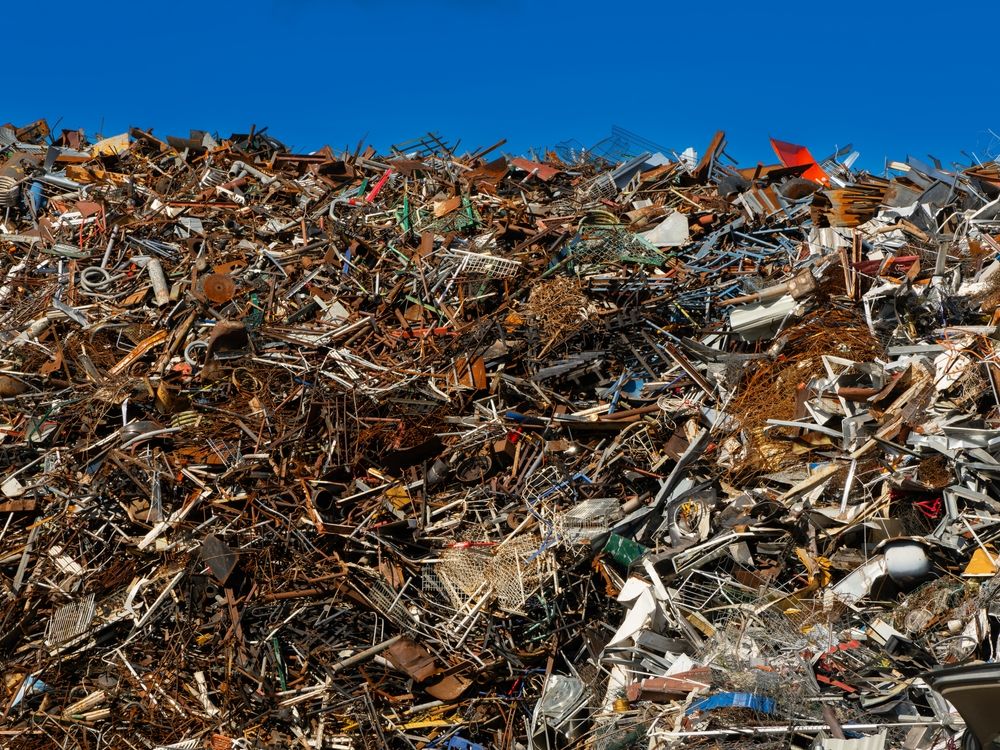
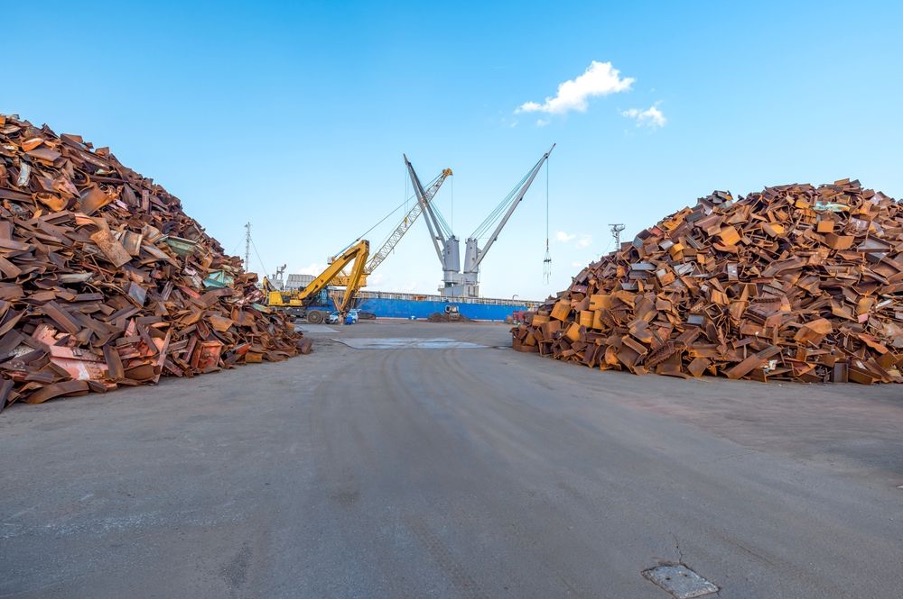
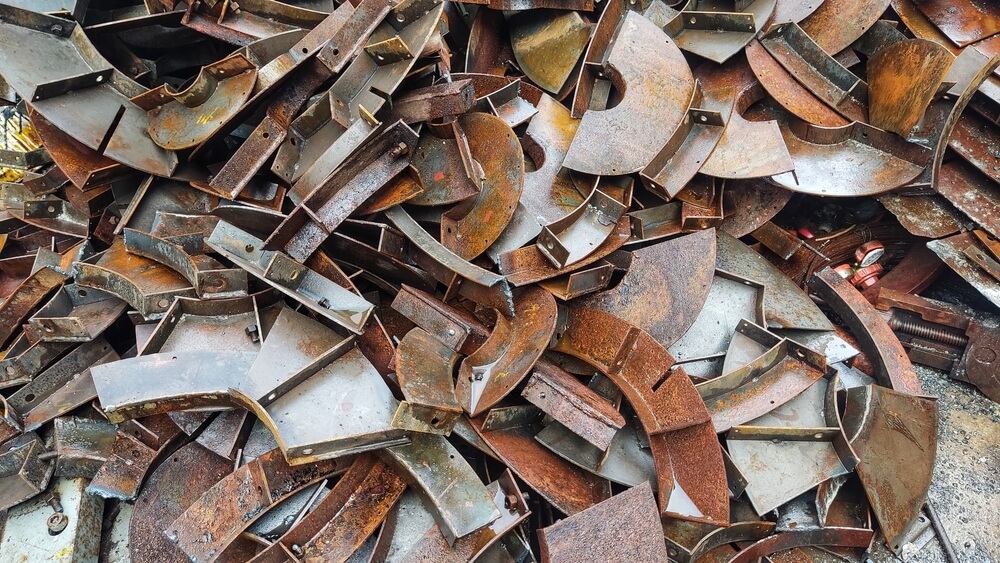
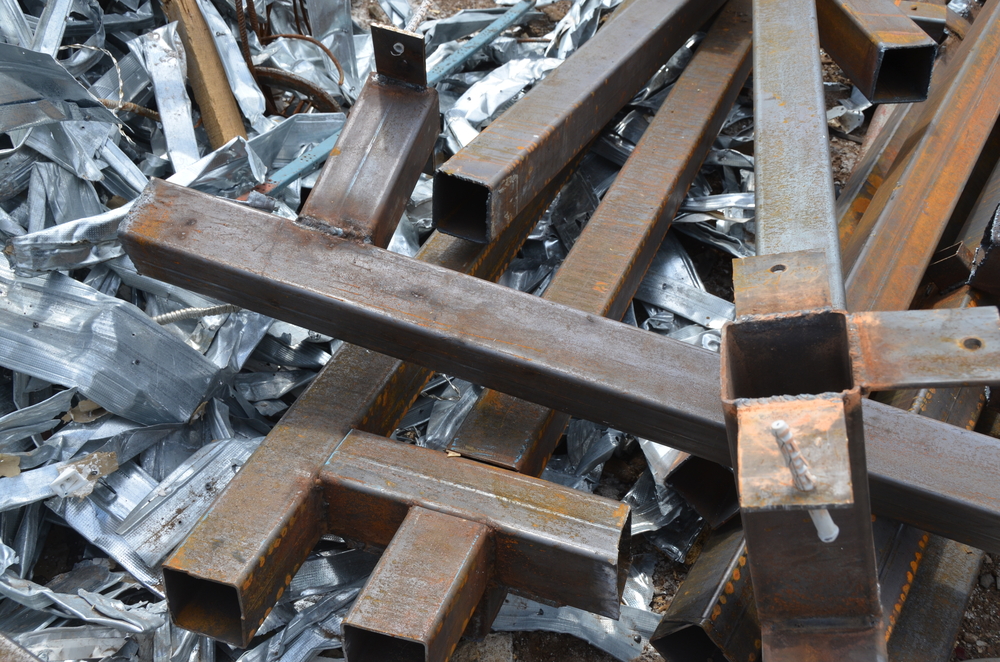
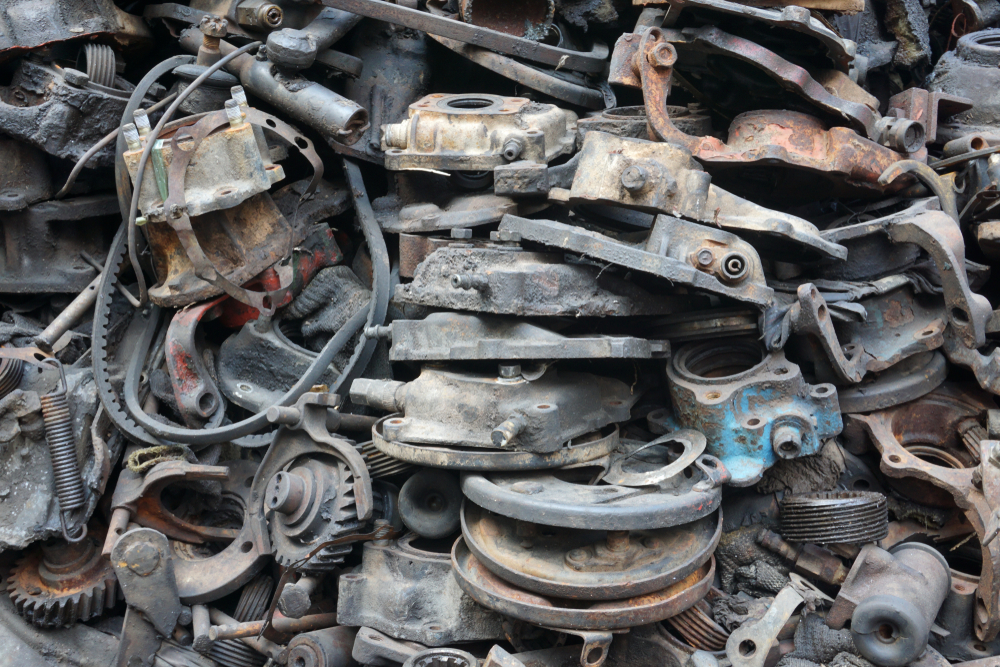
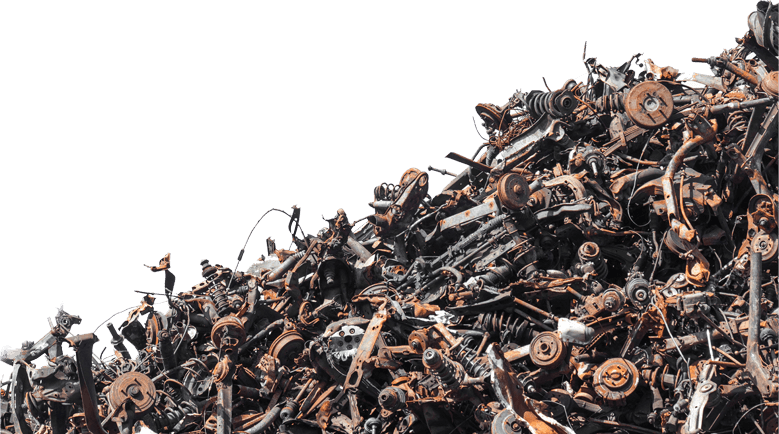
Ferrous metals, primarily composed of iron, are magnetic and widely used in construction, automotive, and manufacturing industries. Steel and cast iron are the most common forms of ferrous scrap, and they remain highly recyclable due to their durability and widespread industrial demand. Steel beams, machinery components, and old pipes often enter the recycling stream, providing a consistent supply for local scrap metal recyclers in Melbourne.
Non-Ferrous Metals
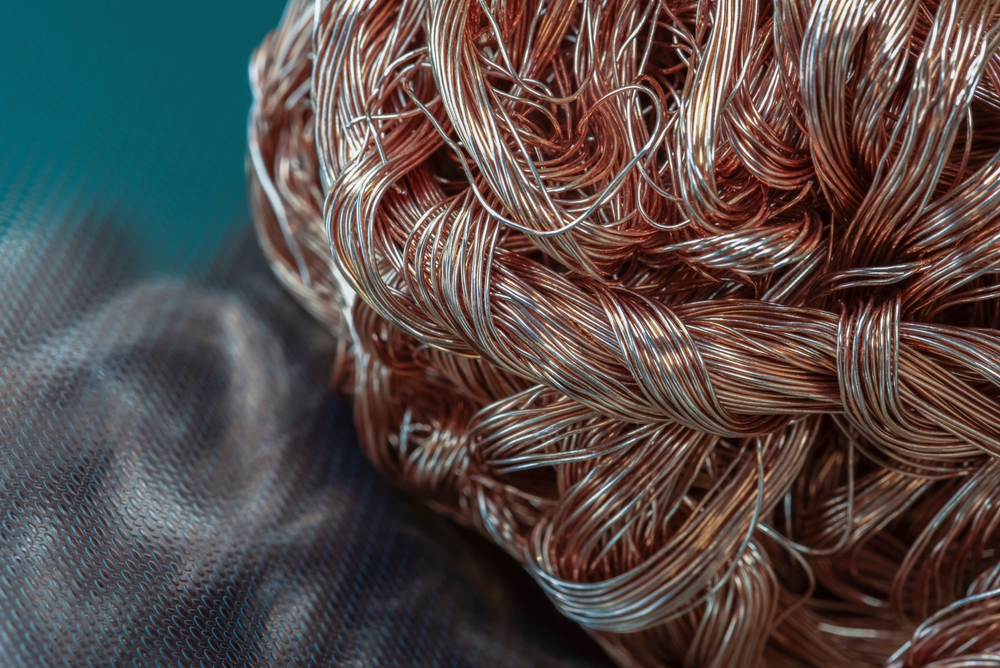
Non-ferrous metals are generally more valuable due to their resistance to corrosion and lighter weight. This category includes aluminium, copper, and brass, which are widely sought after by manufacturers and foundries. Brass, in particular, commands attention because of its copper and zinc content, which influences the price of scrap brass.
Industrial components like plumbing fittings, electrical connectors, and architectural hardware are common sources of non-ferrous scrap, making proper sorting and processing essential for achieving optimal resale value.
By understanding the distinctions between ferrous and non-ferrous metals, businesses can make informed decisions about collection, storage, and recycling, ensuring that every piece of industrial scrap is turned into valuable resources.
The Industrial Scrap Metal Recycling Process
Understanding the industrial scrap metal recycling process is key to unlocking both economic and environmental benefits. The journey of scrap metal from waste to reusable material involves several crucial stages, each designed to maximise recovery and value.
Collection and Sorting
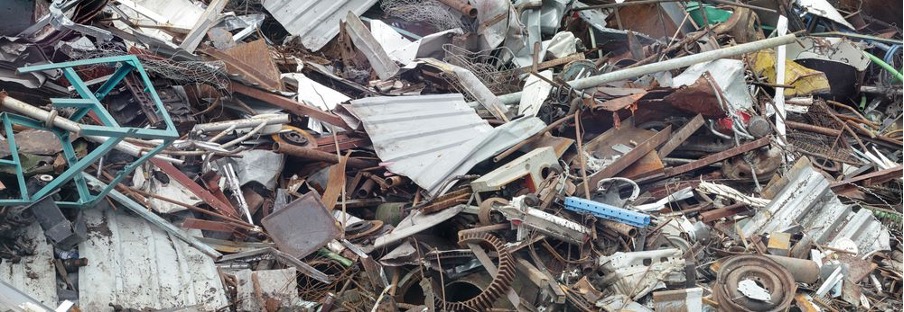
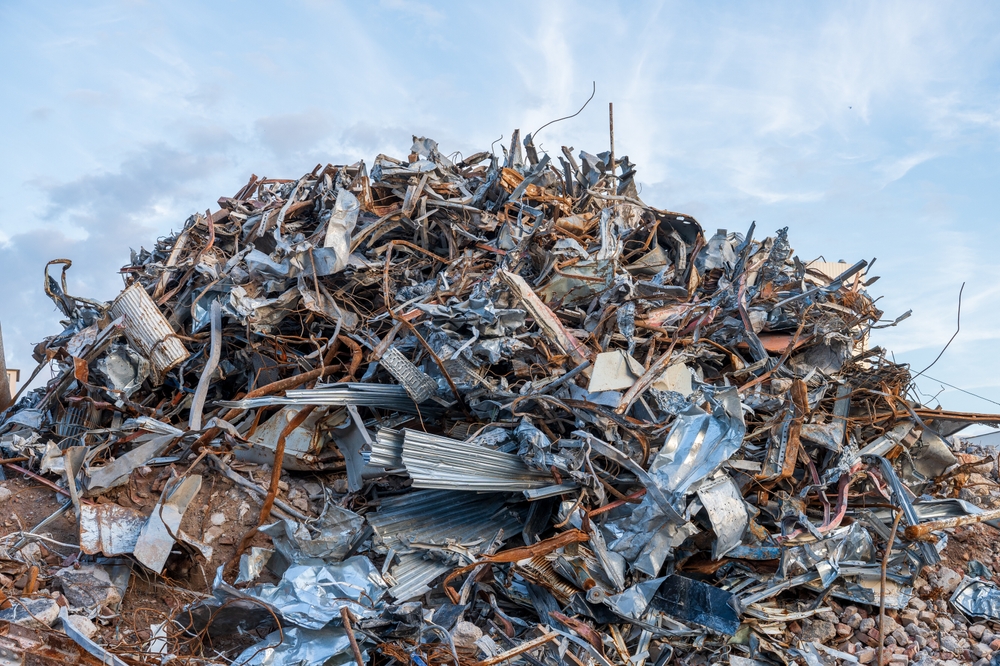
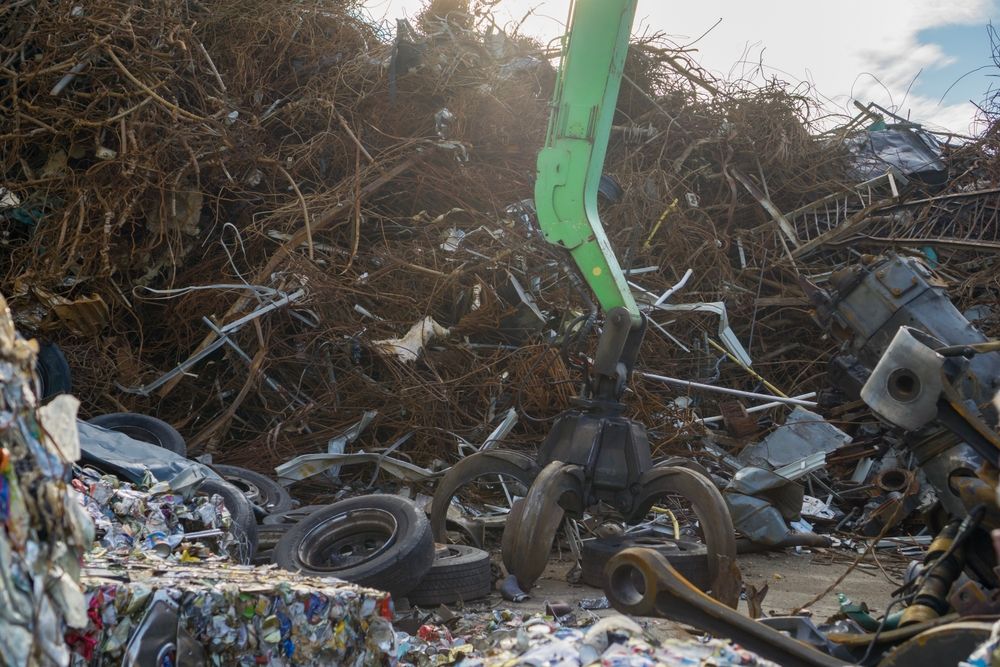
The process begins with the collection of industrial scrap from factories, construction sites, and manufacturing facilities. Efficient sorting is essential to separate ferrous metals like steel from non-ferrous metals such as aluminium, copper, and brass. Manual and automated sorting methods are often combined to ensure accuracy and reduce contamination. Proper sorting directly impacts resale value and the overall efficiency of the recycling operation.
Processing and Shredding
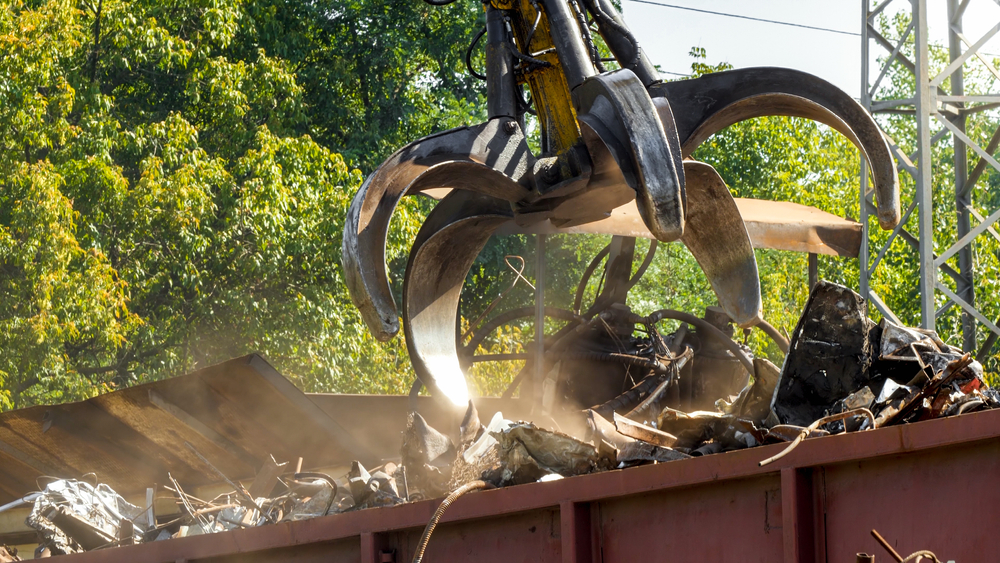
Once sorted, metals undergo processing, which may include shredding, shearing, or compacting. Shredding breaks down bulky items into manageable pieces, making it easier to separate different alloys and remove impurities.
Refining and Resale
The final stage involves refining and preparing metals for resale. Melting, chemical treatment, or mechanical separation is used to produce high-quality recycled metal that can be supplied to manufacturers, foundries, and other industrial clients. By following these steps, industrial scrap recyclers ensure materials are responsibly handled while businesses benefit from optimised economic returns.
Efficient recycling not only supports a circular economy but also reduces environmental impact by conserving natural resources and lowering energy consumption in metal production.
Economic Value of Scrap Metals
The economic significance of industrial scrap metal recycling extends beyond environmental benefits, offering tangible financial returns for businesses across Melbourne. Metals like steel, aluminium, copper, and brass retain strong resale value, making efficient collection and processing a critical component of industrial waste management. Market prices are influenced by global commodity trends, local supply and demand, and the quality of the recycled material.
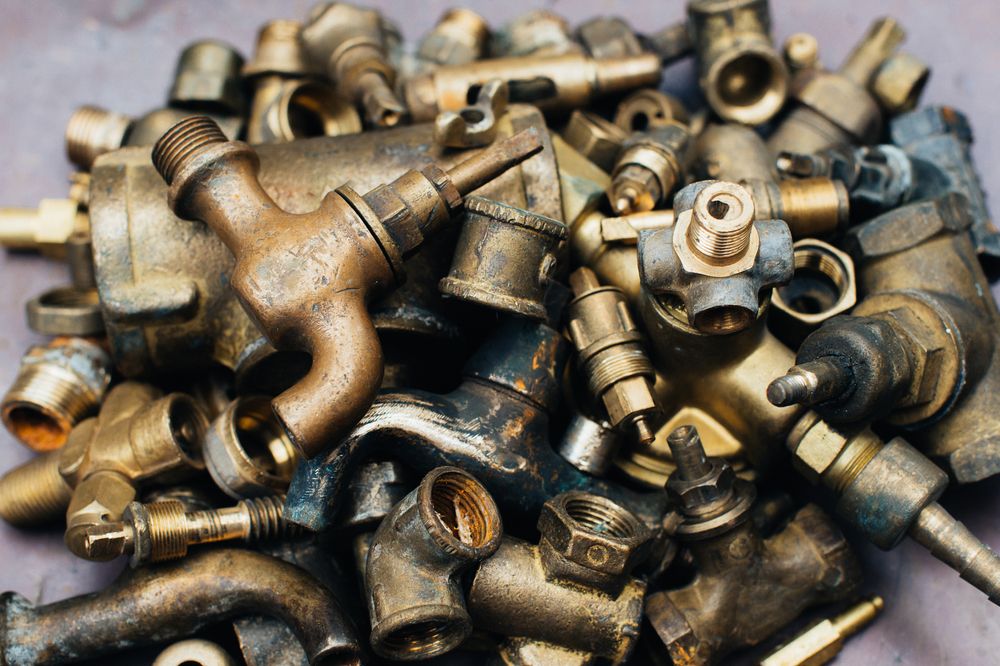
Non-ferrous metals, in particular, carry a higher value due to their industrial applications and limited availability. Brass is one of the most sought-after non-ferrous metals, commonly used in plumbing, electrical components, and architectural fittings. Prices for brass fluctuate based on the copper and zinc content, market demand, and processing costs. By tracking these trends, industrial suppliers can decide the optimal time to sell stockpiles, negotiate with recyclers, and maximise revenue from brass scrap.
Ferrous metals, while generally lower in price than non-ferrous alternatives, still provide steady returns due to high industrial demand for steel and iron. Overall, recognising the economic value of different scrap metals allows businesses to make informed decisions, reduce waste disposal costs, and participate effectively in a circular economy that turns industrial scrap into sustainable profit.
Environmental & Sustainability Benefits
Industrial scrap metal recycling delivers significant environmental benefits, making it a cornerstone of sustainable manufacturing. By diverting metals such as steel, aluminium, copper, and brass from landfill, businesses reduce waste and conserve natural resources. Recycling metals requires considerably less energy than producing new materials from ore, which in turn lowers greenhouse gas emissions and contributes to a smaller carbon footprint.
Beyond energy savings, recycling supports a circular economy where end-of-life materials are continuously repurposed for new industrial applications. Non-ferrous metals like brass and copper are particularly valuable in this context, as their recovery prevents the extraction of virgin resources while retaining high market value.
In Melbourne, adopting responsible scrap metal recycling practices helps industries meet environmental compliance standards and aligns with zero-waste initiatives. By integrating these practices into daily operations, businesses not only contribute to environmental sustainability but also enhance their corporate responsibility and economic efficiency, turning industrial scrap into both ecological and financial value.
Industrial Applications of Recycled Metals
Recycled industrial metals play a critical role in a wide range of manufacturing and construction applications. Steel recovered from factories and demolition sites is often remade into structural beams, machinery components, and automotive parts, providing a sustainable alternative to virgin steel production. Aluminium, prized for its light weight and corrosion resistance, is reused in window frames, transport vehicles, and packaging solutions, reducing both energy use and material costs.
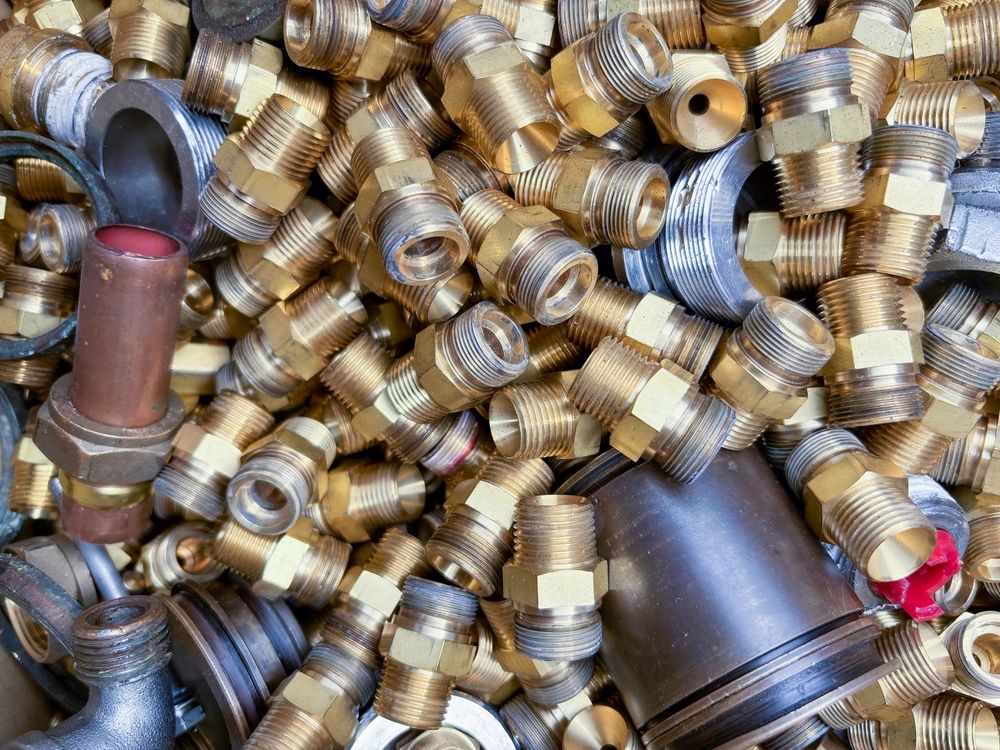
Non-ferrous metals such as copper and brass have particularly high value in industrial settings. Brass, for example, is commonly repurposed into plumbing fittings, electrical connectors, and decorative architectural hardware.
By integrating recycled metals into industrial supply chains, Melbourne-based manufacturers and builders not only cut production costs but also support environmentally responsible practices, ensuring that waste materials are transformed into high-quality, usable resources.
Choosing a Scrap Metal Recycler in Melbourne
Selecting a reputable scrap metal recycler is a crucial step for businesses looking to maximise both environmental and economic benefits. An experienced recycler ensures that metals such as steel, aluminium, copper, and brass are handled safely, sorted accurately, and sold at fair market rates.
When evaluating potential recyclers, it is important to consider their compliance with local environmental regulations, industry certifications, and transparency in pricing. Services such as on-site collection, detailed sorting, and proper documentation for industrial clients can make a significant difference in efficiency and profitability.
A reliable recycler will provide up-to-date market information, helping suppliers decide the optimal time to sell and ensuring maximum returns. Partnering with a trustworthy Melbourne based scrap metal recycler guarantees responsible processing while turning industrial waste into tangible value.
Looking for Scrap Metal Recycling in Melbourne?
Look no further than Metal Men Recycling. Industrial scrap metal recycling transforms waste into valuable resources, offering both environmental and economic benefits for Melbourne businesses. By understanding metal types, processes, and the price of scrap brass per kg, companies can maximise returns while supporting sustainability. Partnering with a trusted scrap metal recycler in Melbourne ensures responsible, profitable recycling.
Contact Metal Men Recycling at 03 5941 6677 or fill in our online contact form and we will get back to you.
FAQ: Industrial Scrap Metal Recycling
What metals are most valuable for industrial scrap recycling?
Non-ferrous metals like copper, aluminium, and brass are generally the most valuable due to their high industrial demand and resale potential. Brass, in particular, retains significant worth in plumbing, electrical, and architectural applications.
How is the price of scrap brass per kg determined in Melbourne?
The price of scrap brass per kg depends on the copper and zinc content, market demand, global commodity trends, and local processing costs. Reputable Melbourne recyclers provide current rates to help businesses optimise returns.
What are the environmental benefits of industrial scrap metal recycling?
Recycling metals reduces landfill waste, conserves natural resources, lowers energy consumption, and decreases greenhouse gas emissions. It supports a circular economy where industrial materials are continuously reused.
How can businesses ensure fair pricing when selling scrap metal?
Partnering with licensed and transparent scrap metal recyclers in Melbourne ensures accurate weighing, market-informed pricing, and responsible handling of metals, maximising financial returns.