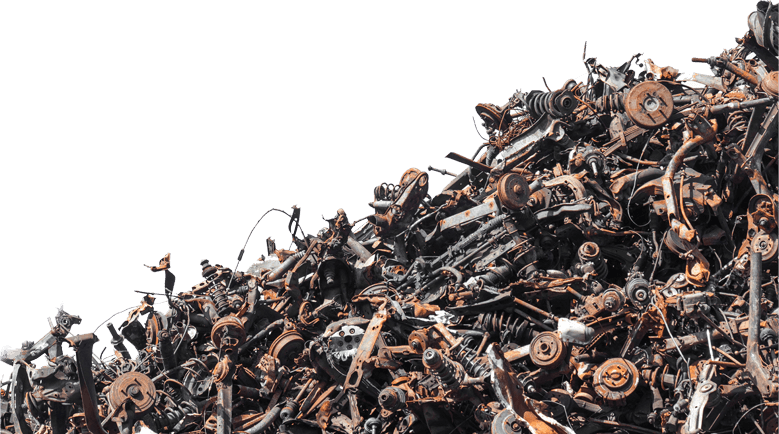
Automotive scrap metal gives mechanics and auto dismantlers a practical way to recover value from unwanted vehicle components. Workshops regularly handle steel, aluminium, copper, brass, motors, wheels, panels, radiators, wiring, and damaged mechanical assemblies. Separating these materials can reduce workshop clutter while making recurring recycling collections easier to organise and assess. Mixed loads often require additional sorting when different metals, general rubbish, and contaminated components become combined during operations.
For Melbourne automotive businesses, responsible recycling also involves lawful sourcing, accurate records, and suitable management of vehicle fluids. Effective scrap metal auto recycling begins with identifying recoverable materials and establishing consistent procedures throughout everyday dismantling activities. Clear sorting and storage practices can help workshops manage recurring volumes while reducing unnecessary handling before collection. This guide explains common vehicle metals, sorting practices, value factors, Victorian responsibilities, and practical approaches for ongoing recycling. Following organised recycling procedures can help businesses create cleaner material streams and support more efficient workshop operations.
Which Vehicle Metals Should Mechanics and Dismantlers Separate?
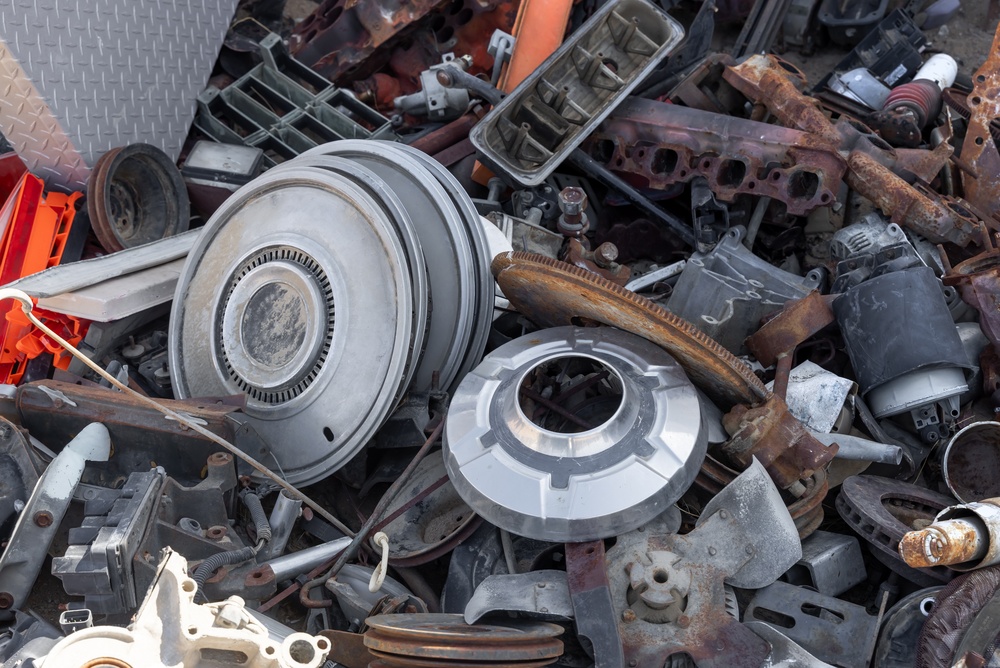
Vehicles contain several recyclable metals, and identifying them early can improve storage, handling, and downstream material assessment. Basic separation also prevents valuable non-ferrous materials becoming buried within heavier mixed loads generated during normal workshop activities.
Ferrous Metals from Vehicle Structures and Mechanical Parts
Steel is widely used across vehicle bodies, chassis sections, suspension components, shafts, brackets, panels, and mechanical assemblies. Brake rotors, damaged body sections, exhaust components, and selected engine parts can also contribute to ferrous recycling streams. Ferrous materials contain iron, so a magnet can provide a useful starting point for straightforward workshop identification.
Larger assemblies may contain rubber, plastic, wiring, fluids, or non-ferrous attachments alongside the main steel component. Workshops should avoid assuming every metallic component belongs in one container simply because its outer surface resembles steel. Keeping recognised ferrous materials together helps reduce unnecessary mixing before collection, weighing, and professional grading by a recycler.
Consistent storage also prevents steel components from spreading across work areas where they can obstruct routine vehicle servicing activities.
Aluminium, Copper, Brass, and Other Non-Ferrous Metals
Aluminium appears throughout modern vehicles, including wheels, transmission housings, engine components, panels, and selected structural assemblies. Copper is commonly found within wiring, electric motors, alternators, starters, and numerous electrical systems located throughout vehicles. Brass can appear within fittings, connectors, radiators, valves, and other components depending on the vehicle’s particular construction.
These materials should remain separated from general steel wherever workshop space and safe handling procedures make separation practical. Different metals follow separate market and processing pathways, making accurate identification useful before materials reach a recycling facility. Clean, recognisable streams also give recyclers better visibility when assessing the composition of an auto scrap metal load.
Electric and hybrid vehicles can contain specialised electrical components requiring different isolation, storage, or recycling arrangements before processing.
Separating common ferrous and non-ferrous materials creates clearer recycling streams without requiring mechanics to become specialist metal graders.
How Can Workshops Improve Scrap Sorting Before Collection?
A practical sorting system should begin when components leave vehicles, rather than immediately before recycling collections are scheduled. Early separation reduces repeated handling and helps keep busy repair areas organised when recyclable components accumulate throughout normal operations.
Create Simple Storage Streams Around Everyday Workshop Work
Clearly labelled containers can separate steel, aluminium, copper-bearing components, and other materials produced regularly through workshop activities. Larger parts can use defined floor areas when containers are unsuitable because of component weight, dimensions, or handling requirements. Storage locations should remain consistent so technicians can identify the correct destination without interrupting normal repair workflows.
Simple procedures make scrap metal auto recycling easier because employees do not need to reorganise mixed materials later. General rubbish, cardboard, plastics, and disposable workshop materials should remain outside containers reserved for recyclable metal components. Regular visual checks can identify incorrect materials before contamination becomes difficult to separate from otherwise organised recycling streams.
Mechanics and dismantlers can [sell scrap metal > https://www.metalmenrecycling.com.au/paid-for-scrap/] through organised collection or delivery arrangements suited to regular workshop volumes.
Manage Fluids and Contaminated Components Responsibly
Vehicle components can retain engine oil, coolant, brake fluid, fuel, and other substances after removal during servicing. These liquids require appropriate handling because spills can create environmental, housekeeping, and workplace risks around dismantling and storage areas. EPA Victoria provides guidance for automotive recyclers covering practical measures that reduce risks to people and surrounding environments.
Workshops should use suitable storage and containment measures based on their actual activities, materials, and identified site risks. Components should not be stripped unnecessarily when additional dismantling introduces hazards without providing a meaningful improvement for recycling. A recycler can explain whether particular attachments need removal before materials are collected, delivered, or accepted for processing.
For workshops with unwanted vehicles, [cash for scrap cars > https://www.metalmenrecycling.com.au/cars-for-scrap/] offers a straightforward way to recycle them responsibly.
A good auto metal recycling system combines straightforward sorting with responsible contamination control, rather than creating unnecessary dismantling work.
What Determines Automotive Scrap Metal Value?
Recycled metal values change with wider commodity markets, so workshops should focus on factors influencing professional material assessments. Automotive scrap metal can vary significantly in value depending on material type, condition, grade, and current market demand. Understanding these factors helps businesses avoid relying on outdated rates, unsupported estimates, or comparisons involving completely different scrap grades.
Material Type, Grade, and Overall Condition
Metal type strongly influences assessment because steel, aluminium, copper, brass, and stainless steel move through different recycling markets. Each metal can have several grades based on composition, cleanliness, attachments, coatings, and further processing requirements. Workshop employees do not need specialist metallurgical knowledge, although basic identification prevents obviously different materials becoming unnecessarily mixed.
Copper-bearing parts may contain insulation, plastic housings, steel attachments, coatings, or connectors that affect recycler classification. Aluminium assemblies often include inserts, bolts, coatings, and components requiring additional separation before efficient material recovery. Steel components may carry rubber, wiring, plastics, or residual fluids that influence preparation, handling, and processing requirements.
Keeping recognisable materials apart gives recyclers a clearer view of each load before weighing, grading, and processing. Consistent separation can reduce avoidable sorting and help workshops maintain cleaner, more organised scrap storage areas. These simple practices support clearer auto scrap metal assessment without requiring mechanics to perform detailed grading.
Market Conditions, Volume, and Processing Requirements
Commodity markets can change according to manufacturing demand, recycled supply, international trading conditions, and broader industrial activity. These movements explain why historical scrap payments should never be treated as guaranteed indicators of current recycling returns. The same component can receive different assessments over time even when its weight and physical composition remain unchanged.
Commercial volume also influences collection arrangements because recurring dismantling operations differ from occasional batches generated by smaller workshops. Larger automotive businesses may benefit from dedicated storage or scheduled collection arrangements for metals produced predictably each week. Smaller operations can accumulate manageable quantities while maintaining suitable storage and sensible separation between commonly generated material categories.
Businesses that generate scrap regularly can use [commercial recycling services > https://www.metalmenrecycling.com.au/services/business-to-business/] to make collections easier to manage.
Successful auto metal recycling focuses on preparation factors businesses can control, while recyclers manage detailed grading and changing market conditions.
What Victorian Rules Apply to Automotive Scrap Transactions?
Victorian automotive businesses should understand relevant transaction requirements before arranging regular scrap sales or end-of-life vehicle recycling. Requirements can differ depending on whether items are classified as scrap metal, second-hand goods, or vehicles intended for dismantling.
Identification, Records, and Vehicle Information
Consumer Affairs Victoria states that scrap metal dealers must generally register as second-hand dealers before conducting regulated transactions. Registered dealers must maintain prescribed records when buying, selling, or disposing of scrap materials covered by Victorian requirements. These records typically include material descriptions, seller details, identification information, transaction dates, and relevant payment information for each transaction.
When a scrap transaction involves a motor vehicle, dealers must also record the vehicle’s relevant identifying information accurately. Businesses supplying vehicles should keep supporting documents available to help confirm ownership, vehicle details, and required transaction records. Clear and complete documentation helps recyclers verify vehicle information while maintaining accurate records throughout commercial recycling transactions.
Vehicle identifiers require additional care because Victorian rules restrict transactions involving identifiers that are removed, altered, defaced, or obliterated. Businesses should review vehicle details before recycling to identify documentation issues that may affect lawful processing or acceptance.
Payment Rules and Responsible Automotive Recycling
Victorian scrap metal rules prohibit dealers from paying or receiving cash for regulated scrap metal transactions. Consumer Affairs Victoria permits non-transferable cheques or electronic funds transfers, excluding e-currency, for these transactions. Businesses should confirm payment arrangements beforehand because methods accepted for other goods may not apply to scrap transactions.
Different requirements apply when second-hand vehicles are purchased specifically for dismantling and resale of usable vehicle parts. Automotive businesses should check [Consumer Affairs Victoria scrap metal laws > https://www.consumer.vic.gov.au/] whenever transaction rules, payment requirements, or vehicle classifications remain unclear.
Environmental responsibilities also apply while vehicles, fluids, batteries, and dismantled components remain stored on automotive business premises. Suitable storage, spill controls, and careful material handling can reduce contamination risks and support cleaner recycling operations. Clear procedures also help staff manage vehicle components consistently and responsibly before collection, processing, recycling, or final disposal.
Combining accurate records, lawful transactions, and responsible storage helps automotive businesses keep recycling practical, organised, and easier to manage.
Ready to Recycle Automotive Scrap Metal from Your Workshop?
Look no further than Metal Men Recycling. We help mechanics and dismantlers separate recognisable materials so steel, aluminium, copper, and other metals stay uncontaminated. Organised storage and responsible handling support efficient collections while keeping reusable components separate from scrap. Businesses generating recurring volumes can also arrange collections suited to regular workshop and dismantling activity.
Contact Metal Men Recycling at 03 5941 6677 or fill in our online contact form and we will get back to you.
Frequently Asked Questions
What automotive metals can mechanics usually recycle?
Mechanics can recycle many common vehicle metals, including steel, aluminium, copper, brass, motors, wheels, and selected mechanical components. Acceptance requirements can depend on contamination, attached materials, component condition, and how each automotive part is constructed for recycling. Workshops should separate obvious material types and ask their recycler about unfamiliar assemblies before combining them. Components containing fluids may also require suitable preparation or separate handling before entering normal metal recycling streams.
Should mechanics separate vehicle metals before recycling them?
Separating identifiable metals generally makes recycling easier and helps recyclers assess each incoming material stream more efficiently. Steel, aluminium, and copper-bearing components should remain apart wherever workshop space and safe handling practices make separation practical. Businesses should also keep general rubbish, packaging, plastics, and unrelated waste outside designated metal containers to prevent unnecessary contamination. Consistent storage arrangements make these procedures easier for technicians during busy servicing and dismantling periods.
Can Victorian businesses receive cash for scrap metal?
Victorian scrap metal dealers cannot pay or receive cash when buying or selling materials covered by regulated scrap transactions. Consumer Affairs Victoria identifies qualifying cheque arrangements and electronic funds transfers as permitted payment methods. Different rules may apply to goods outside the scrap definition or specific second-hand vehicle transactions. Businesses should therefore check current official guidance when uncertainty exists about a particular transaction or vehicle.
What information should businesses keep when recycling scrap vehicles?
Businesses should retain information supporting lawful vehicle ownership or acquisition before arranging recycling with a registered scrap dealer. Victorian dealers have prescribed record-keeping requirements covering seller identification, transaction details, material descriptions, and relevant vehicle identifiers. Unusual identifier circumstances require particular care because restrictions apply when identifiers are removed, altered, defaced, or otherwise unavailable. Current Consumer Affairs Victoria guidance should be checked before proceeding with unusual vehicles or uncertain vehicle identification circumstances.