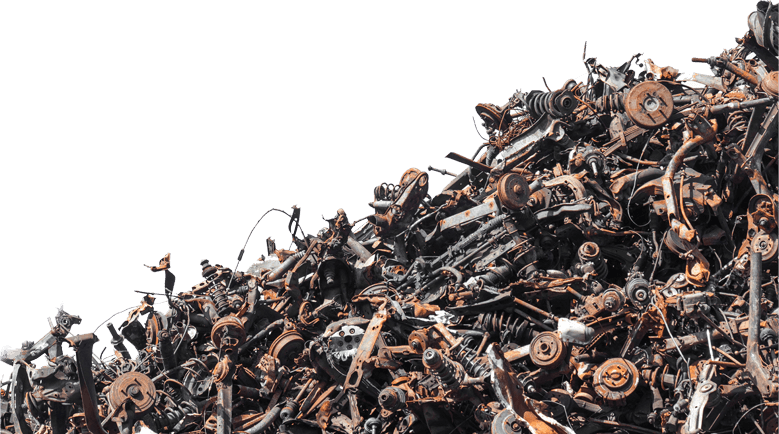
What is Aluminium and Why is it Valuable to Recycle?

Aluminium is a lightweight, silvery-white metal that is widely used in modern industries due to its unique properties. It’s the third most abundant element on Earth and can be found in various minerals such as bauxite. Recycling aluminium can have significant environmental and economic benefits, and Metal Men Recycling can help you sell scrap aluminium for cash.

What is Aluminium?

Aluminium is a chemical element with the symbol Al and atomic number 13. It’s a durable, ductile metal with a low density, making it lightweight yet strong. Due to its high reactivity, it can easily form compounds with other elements, making it ideal for use in a variety of applications, such as transportation, packaging, construction, and electronics. Aluminium is also a good conductor of heat and electricity, making it useful in the production of electrical wires and cooking utensils.

Where is Aluminium Found?

Aluminium is the most abundant metal in the Earth’s crust, accounting for about 8% of the crust by weight. It’s primarily found in the form of bauxite, a mineral that contains a mixture of aluminium hydroxide and other minerals. Bauxite is mined from the ground and refined into alumina, which is then used to produce aluminium metal through a process called electrolysis.

What is aluminium used for?

Aluminium is a widely used metal in various industries due to its unique properties. It is a versatile material that offers many benefits and has a range of applications. Some of its common everyday uses include:

Transportation: Aluminium’s lightweight and strength make it a popular material in the automotive and aerospace industries. It is used to manufacture car bodies, engine parts, and aeroplane components, such as wings and fuselages.

Packaging: Aluminium is widely used in the packaging industry due to its ability to protect and preserve products. It is commonly used to make beverage cans, food containers, and foil packaging.

Construction: Aluminium is a durable, strong, and lightweight material, making it an ideal choice for construction. It is used in the construction of buildings, bridges, and other structures, as well as in windows, doors, and roofing.

Electricals: Aluminium is an excellent conductor of electricity, making it a common material for electrical wires and cables.

Consumer Goods: Aluminium is used in a variety of consumer goods, such as cookware, utensils, and electronic devices like smartphones and laptops.

Industrial Applications: Aluminium is used in many industrial applications, including machinery, equipment, and tools.

Why is it valuable to sell scrap Aluminium?

Recycling aluminium is highly valuable due to several reasons. Firstly, it’s a finite resource, and the demand for it is continually increasing. By recycling aluminium, you can help conserve natural resources and reduce the need for mining and refining new bauxite ore. This, in turn, reduces the environmental impact of mining and refining processes, which can cause habitat destruction, air pollution, and water contamination. Recycling aluminium requires significantly less energy than producing new aluminium from bauxite ore. The energy required to recycle aluminium is just 5% of the energy required to produce new aluminium. This is significantly more environmentally friendly.

How Can You Sell Scrap Aluminium to Metal Men Recycling?

If you have scrap aluminium lying around your home or business, you can easily sell scrap aluminium for cash with Metal Men Recycling. Gather all the scrap aluminium you have lying around your home or business. This may include aluminium cans, utensils, car parts, and other items. After collating everything, contact Metal Men Recycling to arrange for pickup or drop-off of your scrap aluminium. We even organise bin drop-offs for homes or sites that have significant amounts of metal. Once we’ve received and processed your scrap aluminium, we’ll pay you for your materials.

Are You Ready to Sell Scrap Aluminium?

Make the most of Metal Men Recycling’s dedicated metal and aluminium recycling capabilities today! We pride ourselves on being metal recycling experts and providing exceptional customer service from start to finish. Don’t let valuable scrap metal sit around to collect dust and take up space. Sell scrap aluminium today!

Call us at 03 5941 6677, or fill out our online contact form, and we will get back to you!
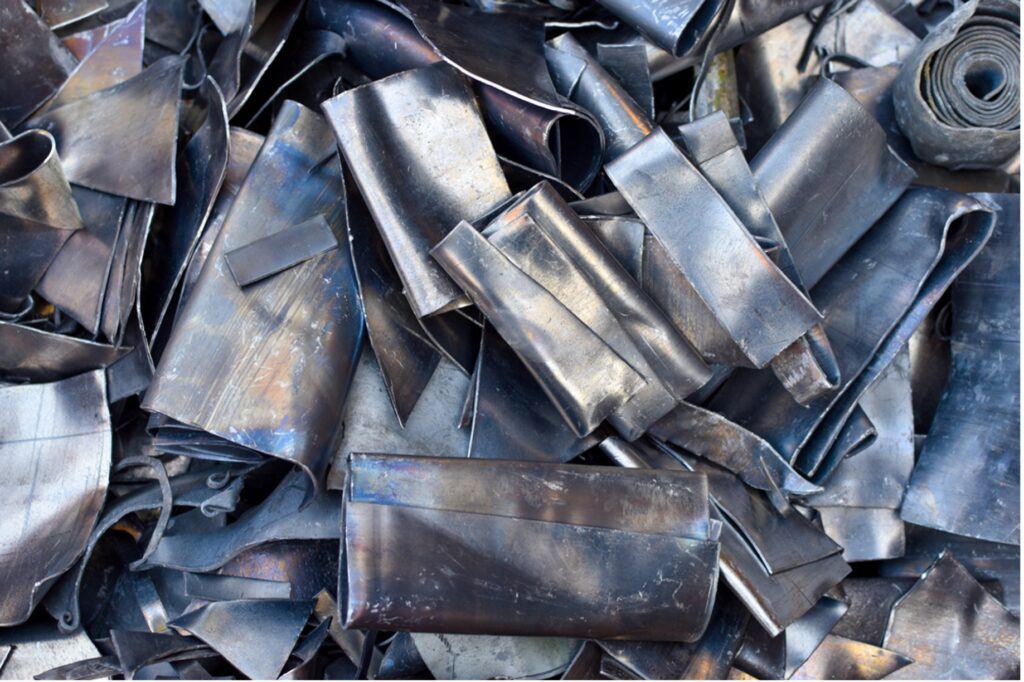
4 Industries that Rely on Metal

Metal: we all know it when we see it, feel it, and use it, but have you ever thought about the different industries that rely on metal to function? There are many industries that rely on and use metal in different ways as a core part of their business. These industries might have metal at the very centre of their practices, or they might rely on metal to function, but they all utilise metal in some way. Here at Metal Men Recycling, metal is our business, so we are keenly aware of the role that it has to play across businesses, trades, and industries. Whether an industry is metal-centred or metal-reliant, these businesses have metal at their heart, just like we do here at Metal Men Recycling. Keep reading to find out about just some of the industries that use and rely on metal, including where you can sell scrap metal for it to be recycled.

Scrap metal recycling

Metallurgy

Metallurgy is a scientific field that studies and works with metallic elements as well as alloys and intermetallic compounds.

What is an alloy?

An alloy is a metallic substance which is composed of two or more metallic elements. An alloy can be created by melting the two metallic elements together. An example of an alloy is brass, which is comprised of copper and zinc.

What is an intermetallic compound?

An intermetallic compound is a type of alloy which forms a solid-state compound between two or more metallic elements.

Metallurgy is split into two categories: chemical metallurgy and physical metallurgy. Chemical metallurgists study the chemical performance of metals, including the oxidisation of them. Some areas of study within chemical metallurgy are electrochemistry, the extraction of metals, and thermodynamics.

Meanwhile, physical metallurgy has a particular focus on the physicality of metals, including their mechanical properties and how they physically perform. Areas of study within this field include material characterisation and phase transformations.

If you want to know more about this broad field of engineering and science, make sure to check out this page all about metallurgy and discover how this unique industry uses metal.

Metalworking

Metalworking is the business of shaping and reshaping metal to create new things. This can include objects like utensils for instance, or they can be parts that are used in constructing new large-scale structures or in machinery.

This industry dates back to ancient times and can be divided into three broad categories: forming, cutting, and joining.

Forming: The process of forming metal means modifying a metal object by deforming the object. This means that a particular type of force is applied to the metal, which could be heat or a mechanical force.

Cutting: The process of cutting means to cut a metal workpiece into a specific shape. This is done by cutting away the excess metal around the intended geometrical shape. The process leaves two parts: the finished cut piece, and the excess metal or waste.

Joining: This process joins two pieces of metal together, as in brazing, soldering, or welding. Welding for example, is a type of joining process that applies a form of energy to the two pieces, be it laser, gas flame, friction, or ultrasound. The application of this energy creates the weld between the two.

Building and Construction

The building and construction industry utilise metal in their day-to-day activities, using many different kinds of metal for many different applications.

Steel is among the most commonly used metal in building and construction, as is aluminum, due to its durable and lightweight qualities. In addition, copper can be used in this industry for things like wiring, roofing, and heating systems, due to its benefits of conductivity, flexibility, and durability.

The building industry uses these types of metals in the construction of new structures including homes and workplaces. They can be used for framing these structures, as well as roofing, electrical wiring, cladding, and plumbing, to name just a few.

Scrap Metal Recycling

Here at Metal Men Recycling, metal is the heart and soul of our business. We are proud to offer a reliable place for our customers to sell scrap metal and recycle it safely and professionally. This means we are able to provide a valuable service to customers, as well as play a part in bringing about the benefits that recycling scrap metal produces for the environment. Make sure to check out our guide to the environmental benefits of scrap metal recycling to discover how this practice helps out the world around us.

Ready to Sell Scrap Metal?

Look no further than Metal Men Recycling! We are experts in scrap metal and metal recycling, backed by our 50 years of industry experience. Our motto says, if it’s metal, we want it! So, when you have excess scrap metal at home or in the workplace, make sure to recycle it with Metal Men Recycling.

Call us at 03 5941 6677, or fill out our online contact form, and we will be happy to get back to you!

The Process of Copper Wire Recycling

An amazing opportunity to prevent metal wastage is to sell scrap copper for metal recycling. This metal is hard-wearing and easy to recycle, but it is also extensive in homes and businesses. Not only are they present in obsolete household and office appliances like microwaves, computers, and televisions, but copper is also present in plumbing, cars and rooftops.

While copper wire isn’t the most valuable grade of copper scrap, it is often widely available throughout older electronics. Recycling your copper wire is a quick and easy way to rid your space of cluttered cables and broken appliances. Most importantly, the process of recycling copper wire is quick and simple for a range of environmental and economic benefits.

The process of copper wire recycling

The process of metal recycling varies between metals, but the process of selling scrap copper wires for recycling begins with stripping the collected metal of its protective shielding. Wires are often coated in plastic insulation to protect the cables and surrounds from this highly conductive metal. This must be removed before the recycling process, by carefully cutting through the shielding and sliding the insulation off the wire. There are a range of wire stripping tools available. For smaller quantities, the insulation can be easily removed with a pair of household scissors or a handheld wire stripper, or in bulk with an automatic wire stripper by recycling experts. This process also includes removing any attachments to the scrap metal such as nuts, bolts or nails.

Once the copper wire has been stripped of the insulation and any attachments it must be sorted by grading. Higher grades of copper can be melted and recast without much refinement, but lower grades may require further processes to remove any impurities. The copper is then collected by grading and sent to a recycling facility to undergo a quality inspection to ensure the copper is contaminant free and ready for melting. Some recycling facilities have a granulator process that begins by shredding the collected metal, separating thick cables or intertwined wires, or a crusher that cuts the copper wire into smaller parts. These tools ensure that long, copper wire is cut to a manageable size and removes any mixed materials before the melting process. 

The copper is then loaded into a furnace, melted into molten metal, and cast into the desired shape. Once the copper has cooled, it is fit for a new purpose such as rods transformed into building wire or rolled into smooth sheets for further manufacturing. Recycled copper has a range of applications across many industries including transport, construction and electronics.

Benefits of copper wire recycling

Copper is an extremely sought-after metal for recycling due to its efficiency and durability. It is one of the most profitable types of scrap metal and can easily be found in homes or businesses. From old, outdated appliances and electronics, to plumbing and auto parts, there are many places to find scrap copper quickly and easily. This extremely durable metal is often used for wires as it does not lose its electrical connectivity over time. Unfortunately, this means that it does not break down with regular waste, which doesn’t take advantage of its longevity and needlessly fills up landfills.

Copper can be recycled repeatedly for massive environmental and economic benefits. Copper retains its performance despite being recycled multiple times making it an economical metal for a range of industries. The process of recycling copper not only produces less carbon dioxide and greenhouse gases, but it requires less energy and effort than the costly process of extracting and refining raw, virgin iron. Using scrap metal to its full capacity by recovering copper and stripping the shielding from cables and wires, benefits businesses, the environment, and you.  

Looking to sell scrap copper in Melbourne?

To sell scrap copper, strip your copper wires of insulation and attachments and bundle them neatly together. By separating the copper wire from other scrap metals, the wiring is easy to transport and weigh which ensures you get the best price from Melbourne’s best metal recyclers.

With over 50 years of metal recycling expertise, Metal Men Recycling provides streamlined scrap metal recycling services to Melbourne. We take all the hard work of sorting and transporting out of the process with our 24-hour pickup service to benefit your business and the environment.

Whether you’re looking to sell scrap metal or would just like to learn more about our business to business metal recycling process, give us a call on 03 5941 6677 or fill out our online contact form.

3 Ways To Support Australian Recycling Industry

The future of the Australian recycling industry is a little shaky right now with local government and councils unsure how to handle the excess of waste and recycling. While they are figuring things out on the large scale, there are things you can do in your day-to-day life that can help our recycling industry. Not sure how you can help out? Don’t worry, we’ve got you covered. In this blog, we sharing tips on how to give recycling the boost it needs.


Why does the Australian recycling industry need support?


At the moment the Australian recycling industry has hit a hurdle after China stopped taking our recycling. Before the ban, we were sending 30% of our recycling to China and now we have to work out what to do with this excess. The concern is that companies don’t see the worth in recycling because they don’t believe it will be profitable. If nobody is processing our recycling then we risk sending it all to landfill and taking a colossal step backwards in caring for our environment. So supporting the recycling industry is another way of fighting for an environmentally sustainable Australia.


Buy recycling


Buying products made from recycled materials or using recycled materials for your business helps create a demand for recycled products. The recycling process can be complicated, so often recycled products cost a little more. For this reason, some companies choose not to use recycled materials. By buying recycled products you are sending a message that recycling is worth it. For now, the cost is a little higher but think of it as an investment in the environment.

Here is a list of Australian stores that sell recycled products:


  • Who Gives A Crap is an Australian company that uses 100% recycled material to take toilet paper, tissues and towels. Each roll has a cool, modern design and you can buy in bulk.
  • The Oxfam Shop has a range of recycled products from jewellery, bags, fashion, furniture and ornaments.
  • Greenline sells recycled paper as well as other office supplies.
  • Iameco makes computer accessories from recycled and eco-friendly materials.
  • Trex makes decking from 95% recycled wood and plastic film
  • Greentoys have 100% recycled toys for younger children


You can also keep an eye on your buying habits can make a difference. For example, instead of buying plastic bottles buy a sustainable water bottle. The same goes for coffee cups, you are doing the environment a favour by getting a keepcup.


Smart Recycling

A good way to support the Aussie recycling industry is to make sure you are recycling properly. Even if you think you know the best way to recycle it is worth testing your knowledge. You might learn something new. The basics of smart recycling are to search for the little recycling symbol before chucking it into your yellow bin.

To start you off here is a list of things you should recycle:


  • Basic containers and bottles
  • Glass bottles, containers
  • Metal cans and aluminium
  • Scrap paper, letters, newspapers and magazines
  • Cardboard


Things you shouldn’t be recycling:


  • Polystyrene
  • Take away containers
  • Shredded paper as it should go into your green bin
  • Styrofoam
  • Foil
  • Coffee cups
  • Glad wrap and plastic bags


Some things, like plastic bags, you’ll need to check in with your local services to see if they recycle it.


If you’re not sure how to throw something away properly then take a moment to look it up. Don’t take anything for granted, you’d be surprised. Did you know that massive amounts of clothing are dumped in landfills every ten minutes? If you have old clothes, no matter how ragged, you should drop them off into collection bins where they can find a new life with somebody in need. Before you throw unwanted clothes away think about how you can reuse them in the home. For example, you can turn an old t-shirt into a tote bag.


Raise Awareness


If you care about the environment and are concerned about what the lack of recycling will do to our beautiful earth then make some noise. Contact your local council and let them know. On a smaller scale, you can encourage your friends and family to speak out as well. Inspire them to support recycling and let them know if they are recycling the wrong way.


Are you looking to scrap some metal? You can earn some money by recycling your scrap metal. Metal Man Recycling picks up and buys scrap metal. Don’t hesitate to get in touch with us on 03 5941 6677 today.

How Recycling Scrap Metal Helps The Environment

We all know recycling is important. But did you know the impact recycling scrap metal can have on our environment? In this blog, we break down the top four ways recycling scrap metal helps our planet. From reducing air pollution by 86% to decreasing consumer waste by 105%, there’s a lot to be gained from recycling scrap metal. 


Recycling metal helps reduce chemical pollution

Chemical pollution is a major problem for our planet today. Although there are many forms of chemical pollution, the term generally refers to the process by which chemicals are released into our environment, disrupting the balance of our ecosystems, polluting our air, threatening our health and contaminating our food. By recycling scrap metal, we reduce the need to ship metal from other countries, which decreases the fuel and emissions caused by long-distance transportation.

Decreased need for landfill sites

Landfill sites are one of the largest sources of chemical and visual pollution. In Australia, there is a heavy reliance on landfill as a form of waste management. In fact, between 2007 and 2007, the volume of waste deposited to landfill increased by 12%. But by recycling items such as scrap metals, we decrease the need for landfill sites, resulting in better air, water and land quality.

Recycling scrap metal helps prevent visual pollution

Metal is produced through mining metal ores. However, most metals are found in barren areas. By recycling scrap metal, we can reduce mining and the subsequent destruction of wildlife and formerly pristine landscapes. This will lessen the overall visual pollution involved in metal mining.

Less energy is used

Generating metal for raw materials is incredibly energy intensive. In fact, it takes approximately the same amount of energy to make 20 cans from recycled metal as it does to make one can from raw materials. By using recycled metal instead of natural resources, one can save more than 75% on energy bills for metals such as aluminium and copper.

While global warming hasn’t stopped, it’s on the decline. Due to efforts, such as recycling scrap metal, we can continue on this trajectory. 

At Metal Men Recycling, we’re passionate about creating a better planet for our future. As expert scrap metal buyers, we help our planet and you by providing cash for scrap metal. To be part of the change, contact us at 03 5941 6677.

What Happens to Your Recycled Metal

Have you ever wondered what happens to your recycled scrap metal? In this week’s blog, we examine a few of the common uses for commonly recycled scrap metals such as copper, aluminium and steel, so that you can be sure your scrap is being put to good use. Here are six different ways scrap metal is re-purposed.

Industrial use

Scrap metals like iron and steel have many varied industrial uses, from the construction of public infrastructure like roads and bridges to transportation (including in the manufacture of trains, ships, and aircrafts). Cast iron also has uses in construction as a decorative material, and is often used to make things like hardware, balustrades, eaves and plaques.

Furniture

Furnishings and home fittings like benches, tables, lamps, chairs, light fittings, bed frames and door handles are frequently made from recycled scrap metal. Metal furniture, when made well, is very sturdy and can last for many years.

Artistic use

Considering many artists are concerned with sustainability, it makes sense that they try to use recycled materials wherever possible. Scrap metal is often used in artistic works such as sculptures, decorative metalwork, installations and jewellery, which make their way into private collections to be treasured for many years, or instead are featured around cities as public art.

Residential

Many recycled metals are commonly used in residential construction, with copper often being used as a plumbing material, in electrical wiring, roofing sheets and heat exchanges. Steel is also a common construction material, used to make house frames and roofing structures.

Electronics and whitegoods

Metals are also commonly used in the manufacturing of electronics, including in wiring and in the overall structure of large items such as fridges and washing machines. By recycling your old whitegoods and electronics, you are contributing to the sustainable creation of new goods.

Metal recycling plays an important role in sustainability. If you have scrap metal goods you’d like to trade in, contact Metal Men Recycling. We accept all kinds of scrap metal and are committed to sustainable practices.

Metal Men’s Guide to Household Recycling

Most Australian households have a designated recycling bin provided by their local council, which makes recycling easier than ever, however it’s important to know which items to put in this bin, which items need to be dropped off at/picked up by special collectors, and which belong with the rest of the rubbish. In this blog, we provide a few handy tips that will help you recycle more efficiently and effectively.

What can be recycled?

There are many different materials that can be recycled using your kerbside recycling bin, including glass (think wine and other drink bottles, jars, old pharmaceutical bottles etc.), hard plastic (takeaway food containers, empty toiletry bottles and jars, empty cleaning product bottles, milk bottles, yoghurt and ice cream tubs) and paper and cardboard (including cereal boxes, biscuit boxes, egg cartons, scrap office paper, old notebooks etc.). Metal items (such as aluminium cans, aerosols, baked bean and other food cans, pet food cans, alfoil etc.) can also be recycled, however you may want to collect these items separately so that they can be taken to your local scrap metal dealer, as this is a fantastic way to earn some extra cash while doing your bit for the environment.

What should be kept out?

Recyclables don’t have to be spotless before they’re put in the recycling bin, however it’s important to make an effort to remove the bulk of food scraps. Refrain from bagging your recyclables, as plastic bags cannot be recycled and could result in your recycling being lumped in with the rest of the landfill. There are also various recyclable items that have their own specific collection programs/centres. Green waste has its own kerbside collection dates, along with drop-off centres, depending on your council, as does eWaste (old electronics like phones, TVs and computers), old furniture and other household items, and waste construction materials like timber, bricks and rubble. For items that are still in good condition, consider donating to your local op-shop or holding a garage sale.

What about scrap metal?

As mentioned earlier, small household metal items can be exchanged for cash at your local scrap metal dealer. In addition to these items, other forms of scrap metal like old car parts (including batteries), copper wiring, copper and/or brass piping, door fittings and whitegoods can also be sold to reputable scrap metal dealers.

By implementing an organised recycling system at home, you’ll not only be doing your bit for the environment, but you’ll also create the opportunity to earn some extra pocket money. Metal Men Recycling accept all kinds of scrap metal and even offer a 24 hour pickup service for larger items.

Metal Recycling in the Office

Businesses generate a lot of waste, so it’s important to implement sustainability practices that allow you and your workers to reduce, reuse and recycle as much of this waste as possible. In addition to recycling common office wastes such as paper, cardboard, printer cartridges, and plastics, care should also be taken to ensure metal wastes are recycled, by trading them in as scrap. If you want to do your bit for the environment and earn some cash for scrap, find out where you can salvage scrap metal around the office.

Aluminium cans and food containers and foil

It’s likely that your workers order takeaway lunches at least a couple of times a week, so to prevent this recyclable waste from ending up with the rest of the rubbish, provide your office with a designated metal recycling bin. Instruct your employees to recycle all aluminium waste, along with any steel cans (from baked beans or canned tuna) they may bring into the office. Aluminium and steel are able to be recycled infinitely, and recycling just one aluminium can saves enough energy to power a TV for 3 hours, so it’s worth holding onto this waste until you can trade it in as scrap.

Old steel furniture

Before chucking out old office furniture, check whether it has any recyclable parts. Steel framed chairs and tables, as well as chrome plated pieces, are often favoured in office environments because of their professional look, so salvage the metal from these items before disposing of them. All of this metal can be added to the pile that you take to your local metal buyer.

Old technology

One of the biggest sources of scrap metal in the office is obsolete computing technology. Electronic waste (or e-waste) is full of valuable metals like copper, silver, gold and palladium (among others), and because the other components of e-waste can be hazardous to the environment, it’s important that as much as possible of it is recycled before being correctly disposed of.

Old piping

If your office is having the plumbing re-done, make sure you keep your old piping. Synthetic PVC piping is favoured over galvanised piping (steel or iron with a protective zinc coating) these days, however these outdated galvanised pipes are a great source of scrap metal.

Decorative features

When redecorating your office, look out for items like brass door handles or unwanted metal ornaments. These items can also be added to your scrap metal pile.

Collecting the scrap in your office for metal recycling is not only beneficial to the environment, but is also a good way to generate some extra cash for office lunches and the like. Metal Men Recycling will give you cash for scrap metal and even offer a 24-hour pickup service.

Looking for Scrap? Here are 4 Places to Find Scrap Iron around the Home

When we think of household scrap metal, our minds often turn to things like old car shells, huge collections of aluminium cans, steel fencing, and copper wiring, however iron is also a great source of scrap metal and can be found in many furnishings and appliances around the home. Whether you’re having a big cleanout, are renovating, or simply want to make some extra cash, it’s a great idea to scour your home for scrap iron to be recycled in exchange for cash. Read on to find out where you can find scrap iron throughout your home.

Awnings and old window frames

Many older style houses (of which there are plenty throughout Melbourne) have wrought iron finishings like window frames and awnings. Because iron is so durable it makes a fantastic building material, so if you’re renovating your old home you’re bound to find iron somewhere. Not too long ago, iron was commonly used as a sturdy material for window frames, as it was able to keep the window in place and withstand high winds, and iron awnings above windows and doors were a popular form of decoration.

Ovens and stovetops

Beneath the layers of enamel, many older style ovens are actually made from valuable iron, so if you’ve got an old oven that you want to get rid of – either because it no longer works or because you’re upgrading – hold onto it and trade it in as scrap. If your oven isn’t made of iron, your stovetop undoubtedly will be, so salvage any old cooking elements and take them to your local metal recycler.

Bed frames and clothes racks

The bedroom seems an unlikely place to find scrap iron, however items like bed frames, dresser chairs, and clothing racks can all be made from iron and should be recycled rather than thrown out. Sometimes these items are coated with decorative paint, so if you’re unsure whether your furniture is made from iron make sure you scratch away at part of the surface.

If you come across any of these items around your home, don’t throw them away. Instead, take them to your local scrap metal dealer where you can earn cash for scrap. Metal Men Recycling accept a huge range of ferrous and non-ferrous metals and will gladly take any unwanted scrap metal off your hands.

Fun Garage Conversion Ideas

In our last blog we told you how to salvage scrap metal from your cluttered garage, so now that you have a freshly cleaned garage, it’s time to explore how you can turn it into an extension of your existing living space. Read on for four fun garage conversion ideas.

Games or entertainment room

If you’re big on entertaining or simply don’t have enough space inside your home for a dedicated play area, your now scrap metal free garage is the perfect location for an added games room. If you’re going for a kid friendly space, fit out your garage with comfy bean bags, board games, fun toys and brightly coloured fixtures and décor. For a more grown-up entertaining area, a bar, good sound system, comfy seating and maybe even a pool table are great inclusions.

Home office

If you regularly work from home and want to minimise your distractions, a dedicated home office is a fantastic solution. By converting your empty garage into a home office (complete with a bookshelf, a spacious desk, ergonomic furnishings and bright lighting), you will be able to better concentrate on your work out without interference.

Guest house

Whether you frequently have guests come to stay, or are interested in making some extra money from boarders or holiday makers, your unused garage is a great space to convert into a guest house. Assuming you want your guest house to be self-contained, you’ll have to invest a bit more money in things like plumbing, insulation and other heating and cooling, soundproofing, proper ventilation and more. If you end up installing kitchen or bathroom facilities, be sure to keep any scrap metal leftover from the installation and trade it in for cash with your local scrap metal buyer.

We hope these ideas have inspired you to transform your unused garage into an exciting new living space. If at any time throughout the garage conversion process you come across unwanted scrap metal, or are left with excess steel, corrugated iron, or other metal from renovations, be sure to get cash for scrap from your local scrap metal dealer. Metal Men Recycling accept a huge range of ferrous and non-ferrous metals, so contact us today on 03 5941 6677 and get cash for scrap metal.

How to harvest scrap metal from your garage

It’s very easy for the home garage to become a place of clutter, especially if it’s not where you usually park your car. While the garage seems like the perfect place to store electronics and appliances in need of repairs, handy items like wiring, an onslaught of tools, and old batteries, it’s unlikely that you’ll ever get round to fixing/using all these things, which is why it’s a great idea to clear out your garage and trade in any scrap metal for cash. Read on to find out how to sell scrap metal harvested from your garage.

Old tools

While having a tool kit is always handy, there’s not much point in keeping tools with very specific purposes if you haven’t had to use them in years, or worse still, don’t know what they’re for. Consolidate your tool kit, keeping only things that you have a use for and set aside any doubles, unknowns or tools that are looking a bit worse for wear. These unwanted tools are often a great source of scrap metal, so add them to the pile to be taken to your local scrap metal dealer.

Chicken wire

When cleaning out your garage you’ll have to make some serious decisions about what to throw out and what to keep. Although having things like chicken wire and copper wiring on hand may seem like a good idea, these unnecessary items are probably just taking up space and would be better off being recycled. Plus, by selling them as scrap metal you’ll be able to use the money for something you actually need.

Broken electronics and appliances

Old electronics are often another great source of scrap metal, so scour your garage for things like old AC units, computer monitors, televisions and kitchen appliances like fridges and freezers. Instead of repairing these items (which you’re probably never going to get around to) you can de-clutter your garage, trade them in for cash, and replace them with more energy efficient appliances.

Once you’ve cleared out your garage, it’s time to take your scrap metal harvest to your local scrap metal dealer, or if it’s a particularly large pile, have them come to you. Metal Men Recycling offer a 24-hour scrap metal pick up service in Melbourne and will give you cash for scrap. To arrange pick up, call us today on 03 5941 6677.

A Guide to Harvesting Scrap Metal From Your Car

If you’re looking to make some extra cash over the summer, why not scour your house for some unwanted scrap metal. Trading in your scrap for cash is a quick and easy way to earn some extra money and is also a great way to start decluttering your house. If you have an old rusty car that’s been sitting in your yard or driveway, here’s how to go about harvesting its parts to trade in as scrap metal.

Strip and clean your car

If you’re going to scrap an unused old car, the first thing you will need to do is strip the interior and give it a thorough clean.  Depending on which scrapper you take your car to, you may be required to completely strip the car of all materials that aren’t metal, including seats and upholstery, accessories like the stereo and speakers, and even the steering column. It’s also a good idea to drain the car’s fluids, however your scrap dealer may offer to do this for you. Once your car’s interior has been stripped you will need to give it a thorough clean and vacuum.

Sort out which parts to sell and which parts to scrap

Now that you’ve stripped your car, you can sort out which parts you want to scrap and which parts can be onsold for reuse. You can onsell accessories like the stereo and speakers for a considerable amount of money, and if parts like the engine, wheels, transmission, and brakes are all in working condition they can also be sold for reuse. If, however, these metal parts are not working, they can be traded in as part of the scrap.

Get a quote from a reputable scrap dealer

Now that you’ve got your car ready to scrap, it’s time to decide which scrap metal buyer in Melbourne to take your scrap metal to. Scrap metal buyers can vary greatly in the rates they offer, so it’s important to shop around for a good deal. Transporting the scrap salvaged from your car can also be an issue, so if you’re unable to do this yourself you should choose a scrap metal dealer with an included pick-up service.

Metal Men Recycling will gladly accept your old car and car parts in exchange for cash. We also offer a 24-hour pickup service, which makes it incredibly easy to sell your scrap metal. Contact us for free a quote today on 03 5941 6677.